
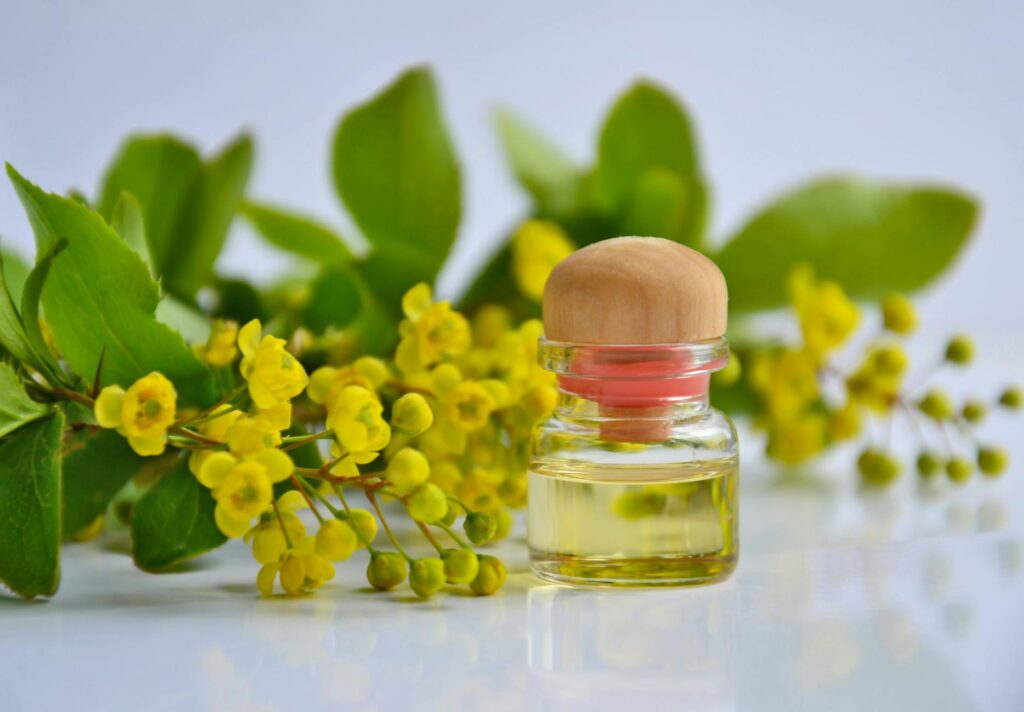
History and Origins of Cinnamon Extract
Introduction
Cinnamon, derived from the inner bark of trees belonging to the genus Cinnamomum, has a rich history that spans thousands of years. Renowned for its aromatic properties and culinary uses, cinnamon extract has also played a significant role in the field of aromatherapy and herbal medicine. This article explores the historical origins of cinnamon extract, its benefits, applications, and safety considerations.
What Is Cinnamon Extract?
Cinnamon extract is a concentrated form of cinnamon that is typically obtained through the process of steam distillation or solvent extraction. The extract captures the essential oils, flavor compounds, and aromatic properties of the cinnamon bark. There are two primary types of cinnamon: Ceylon cinnamon (Cinnamomum verum) and Cassia cinnamon (Cinnamomum cassia), each with distinct characteristics and uses. Ceylon cinnamon, often referred to as “true cinnamon,” is considered more delicate and sweeter, while Cassia cinnamon has a stronger, spicier flavor.
Key Benefits and Properties
Cinnamon extract is celebrated for its numerous beneficial properties, many of which have been recognized throughout history. Some of the key components include:
1. Antioxidant Properties: Cinnamon extract is rich in polyphenols, which are compounds known for their antioxidant capabilities. Antioxidants can help combat oxidative stress in the body.
2. Anti-inflammatory Effects: Some studies suggest that cinnamon extract may help reduce inflammation, making it a popular choice in various wellness applications.
3. Antimicrobial Activity: Cinnamon demonstrates antimicrobial properties, which can help inhibit the growth of certain bacteria and fungi.
4. Digestive Aid: Traditionally, cinnamon has been used to alleviate digestive discomfort, including bloating and gas.
5. Mood Enhancement: The aroma of cinnamon is often associated with comfort and warmth, which can help improve mood and reduce feelings of anxiety.
Common Uses
Cinnamon extract is versatile and can be found in various applications:
1. Culinary Uses: Cinnamon extract is commonly used to enhance the flavor of baked goods, beverages, and savory dishes. It can be added to desserts, spice blends, or used as a natural sweetener in recipes.
2. Perfumes and Fragrances: The warm, spicy aroma of cinnamon makes it a favored ingredient in perfumes and scented products.
3. Cosmetics: Cinnamon extract is sometimes included in skincare products due to its potential antioxidant and antimicrobial properties.
4. Household Products: Many household cleaning products utilize cinnamon extract for its antimicrobial properties and pleasant scent.
Aromatherapy Applications
In aromatherapy, cinnamon extract is often used to promote emotional well-being and create a sense of comfort. The essential oil derived from cinnamon bark can be diffused in spaces to enhance the atmosphere or used in massage oils to promote relaxation. Some common aromatherapy applications include:
1. Diffusion: Adding a few drops of cinnamon essential oil to a diffuser can create a warm, inviting environment, especially during colder months.
2. Topical Application: When diluted with a carrier oil, cinnamon extract can be applied to the skin for a warming sensation, although caution should be exercised due to its potency.
3. Meditation and Mindfulness: The grounding scent of cinnamon can enhance meditation practices by creating a calming atmosphere.
Safety Considerations
While cinnamon extract is generally considered safe for most individuals, there are important safety considerations to keep in mind:
1. Skin Sensitivity: Pure cinnamon essential oil is highly concentrated and can cause skin irritation or allergic reactions in some individuals. It is essential to perform a patch test before topical application.
2. Pregnancy and Nursing: Pregnant or nursing women should consult with a healthcare professional before using cinnamon extract or essential oil.
3. Interaction with Medications: Cinnamon may interact with certain medications, particularly those related to blood sugar levels. Consultation with a healthcare provider is recommended if you are on medication.
4. Quality and Purity: Ensure that you purchase cinnamon extract from reputable sources to avoid contamination with additives or synthetic compounds.
Storage and Shelf Life
To maintain the potency and quality of cinnamon extract, proper storage is essential. Here are some guidelines:
1. Cool, Dark Place: Store cinnamon extract in a cool, dark place away from direct sunlight and heat sources.
2. Sealed Containers: Use airtight containers to prevent exposure to moisture and air, which can degrade the extract over time.
3. Shelf Life: When stored correctly, cinnamon extract can last up to two years. However, always check for changes in aroma or appearance before use.
Frequently Asked Questions
1. What is the difference between Ceylon and Cassia cinnamon?
Ceylon cinnamon, often referred to as “true cinnamon,” has a sweeter, more delicate flavor and is generally considered higher quality than Cassia cinnamon. Cassia cinnamon has a stronger flavor and is more commonly found in grocery stores.
2. Can I use cinnamon extract in cooking?
Yes, cinnamon extract is commonly used in cooking and baking. It adds flavor to a variety of dishes, including desserts, beverages, and savory meals.
3. Is cinnamon extract safe for children?
While cinnamon extract is generally safe, it is advisable to consult with a healthcare professional regarding appropriate usage for children, particularly regarding dosage.
4. How can I incorporate cinnamon extract into my daily routine?
Cinnamon extract can be added to smoothies, oatmeal, or baked goods for added flavor. In aromatherapy, it can be diffused or used in massage oils.
5. Are there any known side effects of cinnamon extract?
Some individuals may experience allergic reactions or skin irritation from topical application. It is important to perform a patch test and consult with a healthcare provider if you have concerns.
Conclusion
Cinnamon extract is more than just a flavorful addition to culinary creations; it carries a rich history and a multitude of benefits that have been appreciated across cultures for centuries. From its antioxidant properties to its applications in aromatherapy, cinnamon extract continues to be a valuable natural resource. By understanding its origins, benefits, and proper usage, individuals can appreciate cinnamon extract as both a culinary delight and a holistic tool for well-being.