
History and Origins of Cinnamon Leaf Oil
Introduction
Cinnamon leaf oil, derived from the leaves of the Cinnamomum verum tree, has a rich history that spans centuries and continents. Known for its warm, spicy aroma, this essential oil is not only cherished for its fragrance but also for its myriad uses in traditional practices, culinary arts, and modern aromatherapy. Exploring the history and origins of cinnamon leaf oil reveals insights into its cultural significance, production methods, and therapeutic benefits.
What Is Cinnamon Leaf Oil?
Cinnamon leaf oil is an essential oil extracted from the leaves of the cinnamon tree, primarily Cinnamomum verum, also known as true cinnamon or Ceylon cinnamon. The oil is typically extracted through steam distillation, a method that preserves the delicate aromatic compounds found in the leaves. Unlike cinnamon bark oil, which is extracted from the tree’s bark, cinnamon leaf oil has a different chemical composition and aroma profile, characterized by a more herbaceous, less sweet scent.
The primary components of cinnamon leaf oil include eugenol, which contributes to its clove-like aroma, and other constituents such as cinnamaldehyde and camphor. These compounds not only give the oil its distinctive scent but also enhance its potential therapeutic properties.
Key Benefits and Properties
Cinnamon leaf oil is revered for its diverse range of benefits, many of which have been recognized in traditional practices for centuries. Some key properties include:
1. Antimicrobial Activity: Research has shown that eugenol possesses antimicrobial properties, making cinnamon leaf oil effective against various bacteria and fungi.
2. Anti-inflammatory Effects: The oil may aid in reducing inflammation, making it a popular choice in topical applications for muscle and joint discomfort.
3. Antioxidant Properties: Cinnamon leaf oil is believed to have antioxidant qualities that help combat oxidative stress in the body.
4. Mood Enhancer: The warm and comforting scent of cinnamon leaf oil is often used in aromatherapy to promote relaxation and elevate mood.
5. Digestive Support: While not a substitute for medical treatment, cinnamon leaf oil has been traditionally used to support digestive health.
Common Uses
Cinnamon leaf oil has a variety of applications that span across different fields, including:
- Aromatherapy: Used in diffusers, massage oils, and personal care products to create a warm and inviting atmosphere.
- Culinary: While more common in the form of powdered cinnamon, cinnamon leaf oil can be used sparingly to add flavor to dishes and beverages.
- Household Products: Its antimicrobial properties make it a popular ingredient in natural cleaning products and air fresheners.
- Cosmetics: The oil is used in lotions and skin care products for its aromatic properties and potential benefits to skin health.
- Diffusion: Adding a few drops of cinnamon leaf oil to a diffuser can help transform a space by creating a cozy atmosphere, particularly during colder months.
- Massage: When blended with a carrier oil, cinnamon leaf oil can be used in massage to provide warmth and relaxation to sore muscles.
- Baths: Adding this oil to bathwater can create a soothing experience, promoting relaxation and alleviating tension.
- Inhalation: Inhaling the aroma directly from the bottle or through steam inhalation can help invigorate the senses and enhance mood.
- Storage Conditions: Keep the oil in a cool, dark place, away from direct sunlight and heat sources. This helps to prevent degradation of the oil.
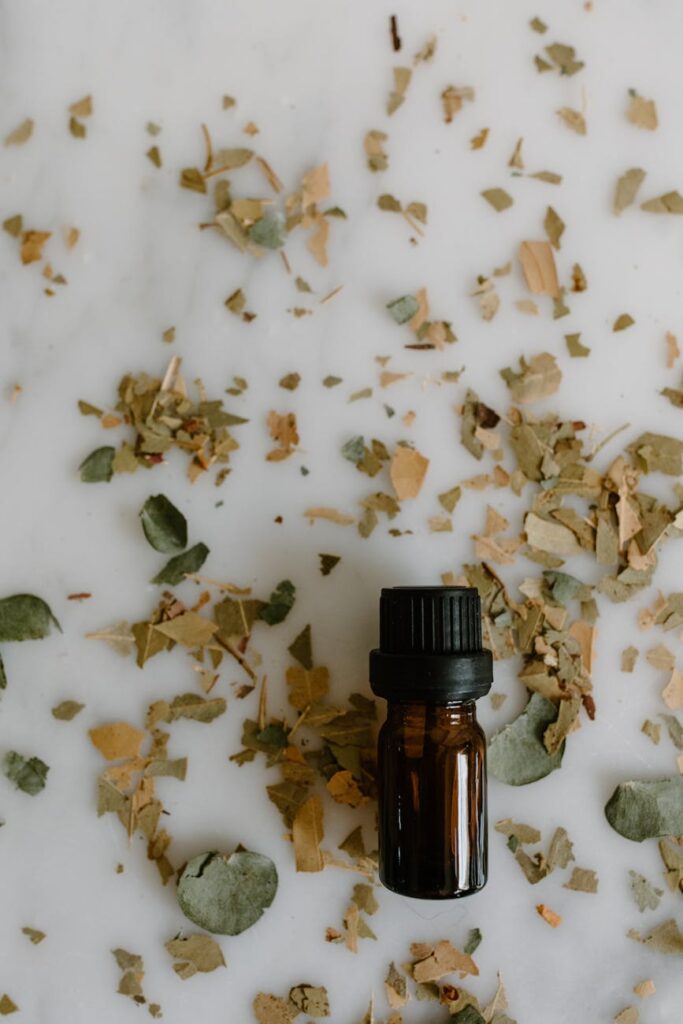
- Container: Store cinnamon leaf oil in a dark glass bottle to further protect it from light exposure.
- Shelf Life: When stored correctly, cinnamon leaf oil can last for several years. However, it is advisable to check for any changes in aroma or appearance, which may indicate that the oil has gone rancid or degraded.
Aromatherapy Applications
In aromatherapy, cinnamon leaf oil is valued for its ability to create a warm and comforting environment. Here are some common applications:
Safety Considerations
While cinnamon leaf oil is generally considered safe for use, there are important safety considerations to keep in mind:
1. Dilution: Essential oils are potent and should always be diluted with a carrier oil before topical application to prevent skin irritation.
2. Allergic Reactions: Conduct a patch test prior to widespread use to ensure there is no allergic reaction.
3. Pregnancy and Nursing: Pregnant or nursing individuals should consult a healthcare professional before using essential oils.
4. Children and Pets: Use caution when diffusing around children and pets, as some essential oils can be sensitive for them.
5. Medical Conditions: Those with existing medical conditions or on medication should consult a professional before using cinnamon leaf oil.
Storage and Shelf Life
Proper storage is essential for preserving the quality and potency of cinnamon leaf oil. Here are some guidelines:
Frequently Asked Questions
What is the difference between cinnamon leaf oil and cinnamon bark oil?
Cinnamon leaf oil is extracted from the leaves of the cinnamon tree, while cinnamon bark oil is derived from the inner bark. They have different chemical compositions, aromas, and potential applications.
Can cinnamon leaf oil be ingested?
While cinnamon leaf oil has some culinary applications, it should be used sparingly and with caution. It is recommended to consult a knowledgeable professional before ingesting any essential oil.
Is cinnamon leaf oil safe for sensitive skin?
Cinnamon leaf oil can be irritating to sensitive skin. Always dilute with a carrier oil and conduct a patch test before use.
How can I use cinnamon leaf oil in my home?
Cinnamon leaf oil can be used in diffusers, added to homemade cleaning products, or incorporated into potpourri for a warm, inviting fragrance.
Where can I purchase high-quality cinnamon leaf oil?
High-quality cinnamon leaf oil can be found at health food stores, specialty shops, or online retailers. Look for oils that are labeled as pure and therapeutic-grade to ensure quality.
Conclusion
The history and origins of cinnamon leaf oil reflect its enduring significance across cultures and time periods. From its traditional uses in ancient medicinal practices to its modern applications in aromatherapy and holistic well-being, cinnamon leaf oil continues to be a cherished essential oil. Understanding its properties, uses, and safety considerations allows individuals to harness the benefits of this aromatic treasure while appreciating its rich historical context.