
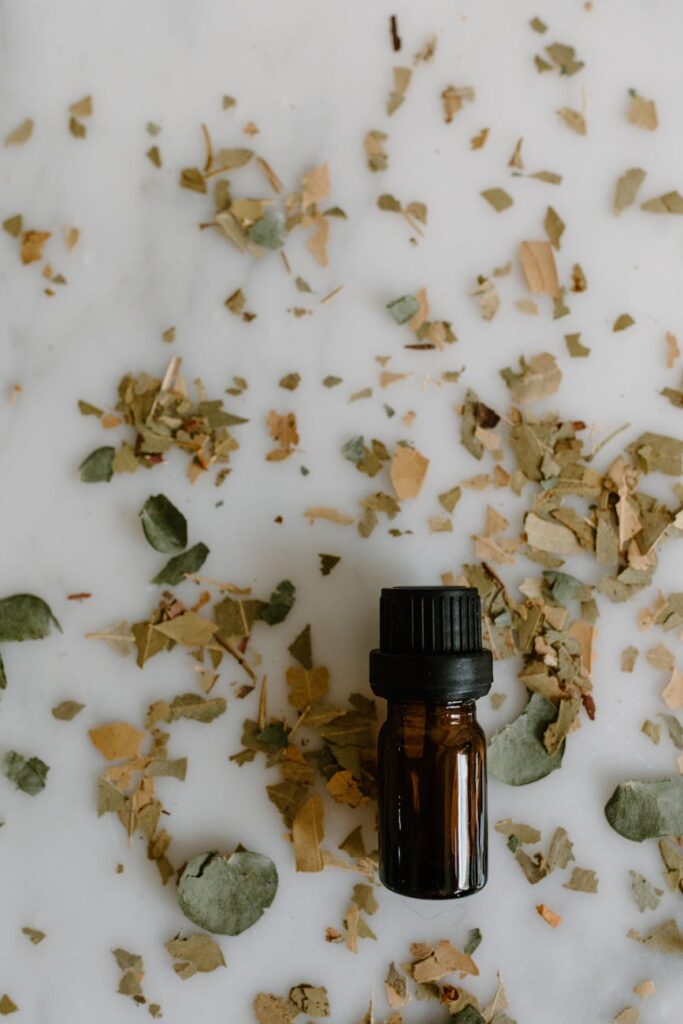
History and Origins of Cinnamon Oil
Introduction
Cinnamon oil, derived from the bark of the cinnamon tree (Cinnamomum verum or Cinnamomum cassia), has a rich history that spans thousands of years. Known for its warm, spicy aroma and numerous benefits, cinnamon oil has been used in various cultures for culinary, medicinal, and aromatic purposes. This article explores the history and origins of cinnamon oil, its properties, uses, and applications in aromatherapy.
What Is Cinnamon Oil?
Cinnamon oil is an essential oil extracted from the bark, leaves, or twigs of the cinnamon tree. The extraction method is typically steam distillation, which captures the volatile compounds responsible for its distinctive scent and therapeutic properties. Two primary types of cinnamon oil are widely recognized:
1. Ceylon Cinnamon Oil (Cinnamomum verum): Often referred to as “true cinnamon,” this oil is derived from the inner bark of the Ceylon cinnamon tree and is known for its sweeter, more delicate aroma. It contains higher concentrations of the beneficial compound cinnamaldehyde.
2. Cassia Cinnamon Oil (Cinnamomum cassia): This oil is derived from the bark of the cassia tree and has a stronger, spicier fragrance. It is more commonly found in commercial products due to its lower cost.
Both types of cinnamon oil contain a variety of chemical constituents, including eugenol, cinnamaldehyde, and coumarin, contributing to their aroma and potential benefits.
Key Benefits and Properties
Cinnamon oil is celebrated for its numerous properties, which include:
- Antimicrobial: Research suggests that cinnamon oil exhibits antimicrobial effects, making it effective in inhibiting the growth of certain bacteria and fungi.
- Anti-inflammatory: The oil contains compounds that may help reduce inflammation, providing relief for various conditions.
- Antioxidant: Cinnamon oil is rich in antioxidants, which help combat oxidative stress and protect cells from damage.
- Warmth and Comfort: The warm and spicy aroma of cinnamon oil is often associated with feelings of comfort and well-being, making it a popular choice in aromatherapy.
- Culinary: Cinnamon has long been a staple in cooking and baking, used to flavor dishes from sweet desserts to savory meals. The essential oil is often used in smaller quantities to impart flavor without the bulk of the spice.
- Fragrance: The warm, inviting scent of cinnamon oil makes it a popular choice in candles, diffusers, and potpourri. It is often blended with other essential oils to create comforting and festive aromas.
- Household Cleaner: Due to its antimicrobial properties, cinnamon oil is sometimes incorporated into natural cleaning products, helping to disinfect surfaces and eliminate odors.
- Skincare: The oil is used in various skincare formulations, where its antibacterial and anti-inflammatory properties can benefit the skin. However, it is essential to dilute it properly to avoid irritation.
- Dilution: Always dilute cinnamon oil in a carrier oil before applying it to the skin to avoid irritation or allergic reactions. A common dilution ratio is 1-2 drops of essential oil per teaspoon of carrier oil.
- Patch Test: Before using cinnamon oil topically, perform a patch test on a small area of skin to check for any adverse reactions.
- Pregnancy and Nursing: Pregnant and nursing individuals should consult with a healthcare professional before using cinnamon oil, as its effects during these periods are not well-documented.
- Children and Pets: Use caution when using cinnamon oil around children and pets, as some essential oils can be toxic to animals and may cause skin irritation in young children.
- Cool, Dark Place: Store cinnamon oil in a cool, dark place away from direct sunlight and heat sources. Light and heat can degrade the oil’s quality over time.
- Tightly Sealed Containers: Ensure that the bottle is tightly sealed to prevent exposure to air, which can lead to oxidation.
- Shelf Life: Generally, cinnamon oil has a shelf life of 1 to 2 years when stored properly. However, always check for signs of degradation, such as changes in aroma or consistency, before use.
These properties make cinnamon oil a versatile ingredient in various applications, from personal care products to culinary uses.
Common Uses
Cinnamon oil has been utilized throughout history in various ways, including:
Aromatherapy Applications
In the realm of aromatherapy, cinnamon oil is employed for its uplifting and stimulating effects. It is believed to enhance mood, boost energy levels, and promote mental clarity. Here are some common ways it is used in aromatherapy:
Diffusion
Cinnamon oil can be diffused in a room to create a warm and inviting atmosphere. When combined with other essential oils such as orange or clove, it can enhance the overall aroma and provide a sense of comfort.
Inhalation
Inhaling cinnamon oil directly from the bottle or via a cotton ball can provide an instant mood boost and invigorate the senses. It may also help with concentration and focus during study or work.
Massage
When diluted in a carrier oil, cinnamon oil can be used in massage to provide warmth and stimulation to the muscles. This application is especially beneficial during colder months.
Safety Considerations
While cinnamon oil offers many benefits, it is crucial to consider safety when using it. Here are important points to keep in mind:
Storage and Shelf Life
To ensure the longevity and efficacy of cinnamon oil, proper storage is essential. Here are best practices for storing cinnamon oil:
Frequently Asked Questions
1. Is cinnamon oil safe for ingestion?
While cinnamon oil is used in culinary applications, it is highly concentrated and should be used with caution. It is advisable to consult a qualified professional before ingesting any essential oil.
2. Can cinnamon oil help with respiratory issues?
Cinnamon oil is sometimes used for its warming properties, which may provide comfort during colds or respiratory discomfort. However, it should not replace medical treatments, and individuals should consult a healthcare provider for proper guidance.
3. What are the main components of cinnamon oil?
The primary components of cinnamon oil include cinnamaldehyde, eugenol, and coumarin. These compounds contribute to its aroma and therapeutic properties.
4. Can I use cinnamon oil in my DIY skincare products?
Yes, cinnamon oil can be incorporated into DIY skincare products, but it is important to dilute it properly. Consider consulting reliable resources or experts in aromatherapy for guidance on formulation.
5. Where can I buy cinnamon oil?
Cinnamon oil is available at health food stores, specialty essential oil shops, and online retailers. Ensure that you purchase high-quality, pure essential oil from a reputable source.
Conclusion
The history and origins of cinnamon oil reveal its significance in various cultures and its enduring popularity through the ages. From its culinary and aromatic uses to its potential therapeutic properties, cinnamon oil remains a cherished essential oil in the modern world. As with any essential oil, understanding its properties, uses, and safety considerations is crucial for making the most of its benefits. Whether used in cooking, cleaning, or aromatherapy, cinnamon oil continues to be a versatile and valuable addition to our lives.