
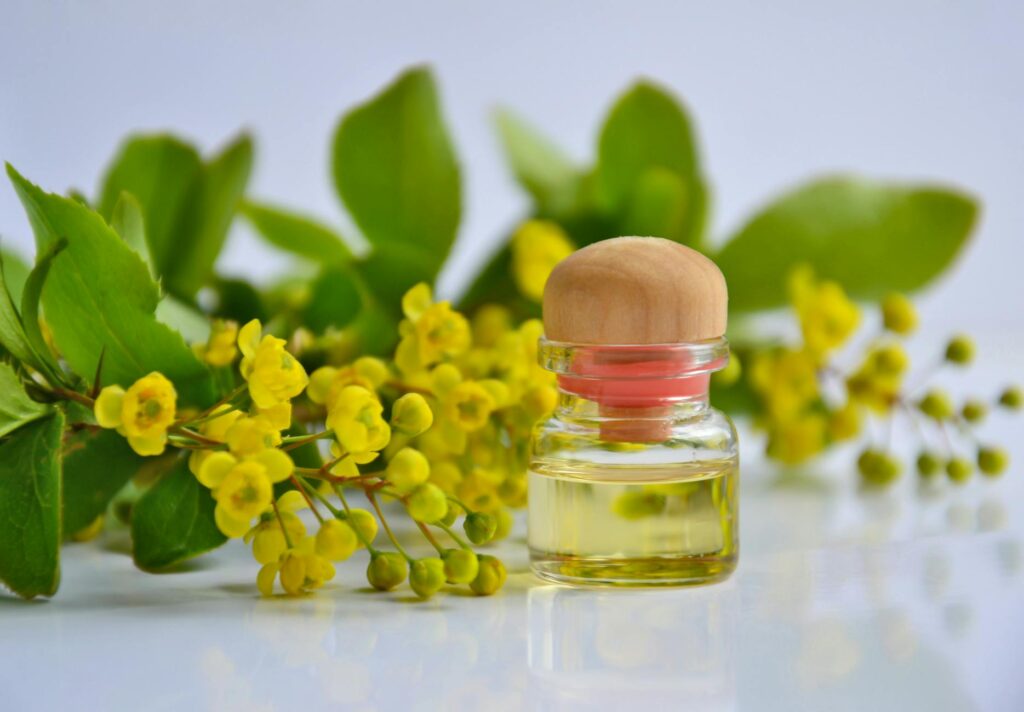
History and Origins of Clary Sage Oil Safety
Introduction
Clary sage oil, derived from the flowering tops and leaves of the Salvia sclarea plant, has a rich history rooted in ancient civilizations. Renowned for its aromatic properties and potential therapeutic benefits, clary sage oil has found a place in aromatherapy, perfumery, and herbal medicine. However, like all essential oils, it is vital to understand its safety profile to ensure effective and responsible use. This article delves into the history and origins of clary sage oil safety, exploring its properties, applications, and best practices for usage.
What Is Clary Sage Oil Safety?
Clary sage oil safety encompasses the various factors that influence the safe use of this essential oil. Factors include its chemical composition, potential side effects, contraindications, and the manner in which it is applied or consumed. Understanding these elements is essential for both practitioners and consumers to harness the benefits of clary sage oil while minimizing risks associated with its use.
Key Benefits and Properties
Clary sage (Salvia sclarea) is a biennial herb native to the Mediterranean region. Traditionally used in herbal medicine, it has gained popularity in modern aromatherapy due to its distinct properties. The oil is characterized by its light yellow to amber color and a sweet, nutty scent with earthy undertones.
Chemical Composition
The primary constituents of clary sage oil include:
- Linalool: A terpene alcohol known for its calming and relaxing effects.
- Linalyl acetate: An ester that contributes to the oil’s sweet aroma and is believed to possess soothing properties.
- Sclareol: A diterpene alcohol that adds to the oil’s unique fragrance and is thought to enhance mood.
- Anxiolytic: Claimed to promote relaxation and reduce anxiety.
- Hormonal Balance: Traditionally linked to supporting menstrual health and hormonal balance.
- Antimicrobial: Exhibits potential antibacterial and antifungal properties.
- Culinary Uses: Historically, clary sage leaves were used in cooking and to flavor beverages.
- Perfume and Cosmetics: Its aromatic profile has made it popular in the fragrance industry.
- Massage: Often used in massage oils for its relaxing effects.
- Diffusion: Adding a few drops to a diffuser to create a calming atmosphere.
- Topical Application: Diluted in carrier oils for skin and massage applications.
- Baths: Added to bathwater for a soothing and aromatic experience.
- Cool, Dark Place: Store the oil in a cool, dark environment away from direct sunlight and heat sources.
- Tight-Sealing Containers: Use dark glass containers to protect the oil from light exposure.
Therapeutic Properties
Some of the key properties attributed to clary sage oil include:
Common Uses
Clary sage oil has been utilized across cultures for various purposes, including:
Aromatherapy Applications
In aromatherapy, clary sage oil is frequently used for emotional and psychological support. Common applications include:
The oil is often combined with other essential oils, such as lavender or bergamot, to enhance its calming effects.
Safety Considerations
While clary sage oil is generally regarded as safe, certain precautions should be taken:
Skin Sensitivity
Clary sage oil may cause skin irritation in some individuals, particularly if used undiluted. It is advisable to conduct a patch test before wider application.
Pregnancy and Lactation
Due to its potential hormonal effects, clary sage oil is often contraindicated during pregnancy, especially in the first trimester. It is essential for pregnant or nursing individuals to consult a qualified professional before use.
Drug Interactions
Clary sage oil may interact with certain medications, particularly those affecting hormone levels or sedatives. Always consult with a healthcare provider when using essential oils alongside prescribed medications.
Allergies
Individuals with known allergies to plants in the Lamiaceae family, such as mint and basil, may also react to clary sage oil. Caution is recommended for those with sensitive skin or respiratory conditions.
Storage and Shelf Life
Proper storage of clary sage oil is crucial for maintaining its quality and safety. Follow these guidelines:
Storage Conditions
Shelf Life
When stored correctly, clary sage oil typically has a shelf life of 2 to 3 years. However, it is essential to check for any changes in aroma or appearance before use, as degradation can occur over time.
Frequently Asked Questions
Is clary sage oil safe for children?
While clary sage oil can be used in diluted forms for children over the age of two, it is advisable to consult a healthcare professional or a qualified aromatherapist before use.
Can clary sage oil be ingested?
The ingestion of essential oils is a controversial topic and should only be done under the guidance of a qualified healthcare provider. Clary sage oil is primarily intended for external use.
What is the best way to dilute clary sage oil for topical use?
A common dilution ratio is 2-3 drops of clary sage oil per teaspoon of carrier oil, such as jojoba or sweet almond oil. This helps minimize the risk of skin irritation.
How can I tell if my clary sage oil is pure?
To ensure purity, choose oils that are labeled as 100% pure, therapeutic grade. Conducting a smell test, where the oil has a fresh, herbaceous aroma, can also indicate quality. Additionally, reputable suppliers should provide information about the oil’s origin and distillation process.
Can clary sage oil help with stress relief?
Many users report a calming effect from clary sage oil, making it popular for stress relief. However, individual experiences may vary, and it is essential to combine its use with other stress-reduction practices.
Conclusion
Clary sage oil boasts a rich history and a myriad of uses, making it a valuable addition to both aromatherapy and natural wellness practices. Understanding its safety profile is integral to maximizing its benefits while minimizing potential risks. By adhering to safety guidelines and considering individual circumstances, users can enjoy the aromatic and therapeutic properties of clary sage oil responsibly. As with any essential oil, informed use is key to a safe and enriching experience.