
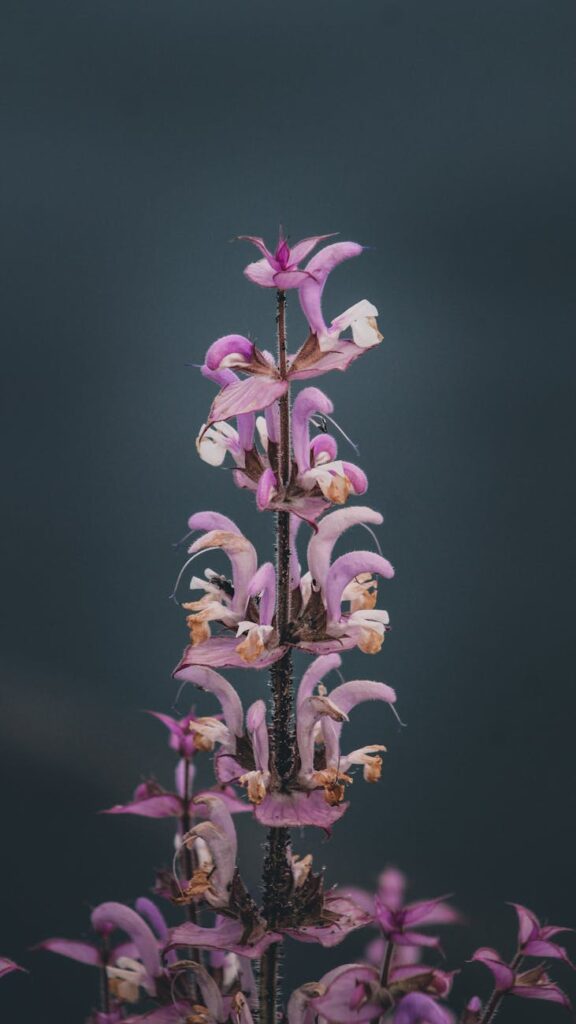
History and Origins of Clary Sage Oil
Introduction
Clary sage oil, derived from the flowering tops and leaves of the Salvia sclarea plant, has a rich history that spans centuries and continents. Known for its distinct aroma and therapeutic properties, clary sage has been used in various cultures for its culinary, medicinal, and aromatic benefits. This article delves into the historical background, characteristics, and applications of clary sage oil, providing a comprehensive overview for those interested in this fascinating essential oil.
What Is Clary Sage Oil?
Clary sage oil is an essential oil extracted from the leaves and flowering tops of the clary sage plant, which belongs to the mint family, Lamiaceae. This biennial herb typically grows in regions with a Mediterranean climate, such as parts of Europe, North Africa, and the Middle East. The oil is obtained through steam distillation, which preserves the plant’s natural compounds and yields a pale yellow to clear liquid with a sweet, nutty aroma.
Historically, clary sage has been valued not only for its scent but also for its potential therapeutic properties. The oil is rich in numerous chemical constituents, including linalool, linalyl acetate, and sclareol, which contribute to its unique characteristics.
Key Benefits and Properties
Clary sage oil is renowned for its myriad benefits, many of which have been recognized since ancient times. Some of the key properties associated with clary sage oil include:
1. Relaxation and Stress Relief: Clary sage oil is often noted for its calming effects, making it a popular choice for promoting relaxation and reducing stress.
2. Hormonal Balance: Traditionally, clary sage has been linked to women’s health, particularly in relation to hormonal balance during menstruation and menopause.
3. Anti-inflammatory and Antioxidant Properties: The oil contains compounds that may support skin health and reduce inflammation, making it a valuable ingredient in skincare formulations.
4. Mood Enhancement: The uplifting aroma of clary sage oil is believed to enhance mood and promote emotional well-being.
These properties, combined with its pleasant fragrance, make clary sage oil a versatile essential oil in various applications.
Common Uses
Historically, clary sage has found its place in different aspects of daily life. Some of the most common uses include:
1. Culinary Applications: In the past, clary sage leaves were used as a flavoring agent in foods and beverages. Its slightly sweet and herbaceous flavor was appreciated in various dishes, particularly in Mediterranean cuisine.
2. Traditional Medicine: Throughout history, clary sage has been used in folk medicine for various ailments, including digestive issues and respiratory conditions. Its calming effects were also harnessed to alleviate anxiety and promote sleep.
3. Perfumes and Fragrances: The aromatic profile of clary sage has made it a sought-after ingredient in perfumery. Its warm, earthy scent complements floral and woody notes, enhancing the complexity of various fragrances.
4. Cosmetics: Clary sage oil has been incorporated into skincare products for its potential benefits for oily and acne-prone skin. Its soothing properties are often utilized in topical applications.
Aromatherapy Applications
In aromatherapy, clary sage oil is valued for its calming and balancing effects. Its use can be traced back to ancient cultures, where it was employed not only for its fragrance but also for its therapeutic properties. Some popular applications include:
1. Diffusion: Adding a few drops of clary sage oil to an essential oil diffuser can create a serene atmosphere, promoting relaxation and mental clarity.
2. Massage: When diluted with a carrier oil, clary sage oil can be used in massage to relieve tension and stress.
3. Bathing: Adding clary sage oil to a warm bath can enhance relaxation and provide a soothing experience.
4. Inhalation: Inhaling the aroma directly from the bottle or a tissue can help alleviate feelings of anxiety and promote a sense of calm.
Safety Considerations
While clary sage oil is generally considered safe for use, it is essential to follow certain precautions:
1. Dilution: Essential oils should always be diluted with a carrier oil before applying to the skin to avoid irritation.
2. Pregnancy and Hormonal Conditions: Due to its potential hormonal effects, pregnant individuals or those with hormone-sensitive conditions should consult a healthcare professional before using clary sage oil.
3. Allergic Reactions: As with any essential oil, it is advisable to perform a patch test before widespread use to check for potential allergic reactions.
4. Storage: Essential oils should be stored in a cool, dark place away from direct sunlight to maintain their potency and shelf life.
Storage and Shelf Life
Proper storage of clary sage oil is crucial for preserving its quality. Here are some guidelines:
1. Containers: Store clary sage oil in dark glass bottles to protect it from light exposure, which can degrade the oil’s quality.
2. Temperature: Keep the oil in a cool, dry place, ideally between 60°F and 70°F (15°C to 21°C). Avoid exposure to heat sources that may alter the oil’s properties.
3. Shelf Life: When stored correctly, clary sage oil has a shelf life of approximately 2-3 years. However, it’s advisable to check for any changes in aroma or consistency before use.
Frequently Asked Questions
1. Can clary sage oil be used during pregnancy?
While clary sage oil has been traditionally linked to hormonal balance, it is advisable for pregnant individuals to consult a healthcare professional before use due to potential hormonal effects.
2. Is clary sage oil safe for children?
Clary sage oil is generally not recommended for children under the age of 2. For older children, it should be used with caution and properly diluted.
3. What is the best way to use clary sage oil for relaxation?
Clary sage oil can be effectively used in a diffuser, added to bath water, or blended with a carrier oil for massage to promote relaxation and reduce stress.
4. How can I incorporate clary sage oil into my skincare routine?
Clary sage oil can be added to skincare products or diluted with a carrier oil before applying to the skin, particularly for oily or acne-prone areas.
5. Can clary sage oil be ingested?
Ingesting essential oils should be approached with caution and only done under the guidance of a qualified professional. It is advisable to use clary sage oil primarily for aromatherapy and topical applications.
Conclusion
Clary sage oil holds a significant place in the history of essential oils, with its multifaceted applications and benefits. From ancient culinary practices to modern aromatherapy, clary sage continues to be valued for its unique properties and soothing aroma. By understanding its origins and practical uses, individuals can appreciate the rich legacy of clary sage oil in both historical and contemporary contexts.