
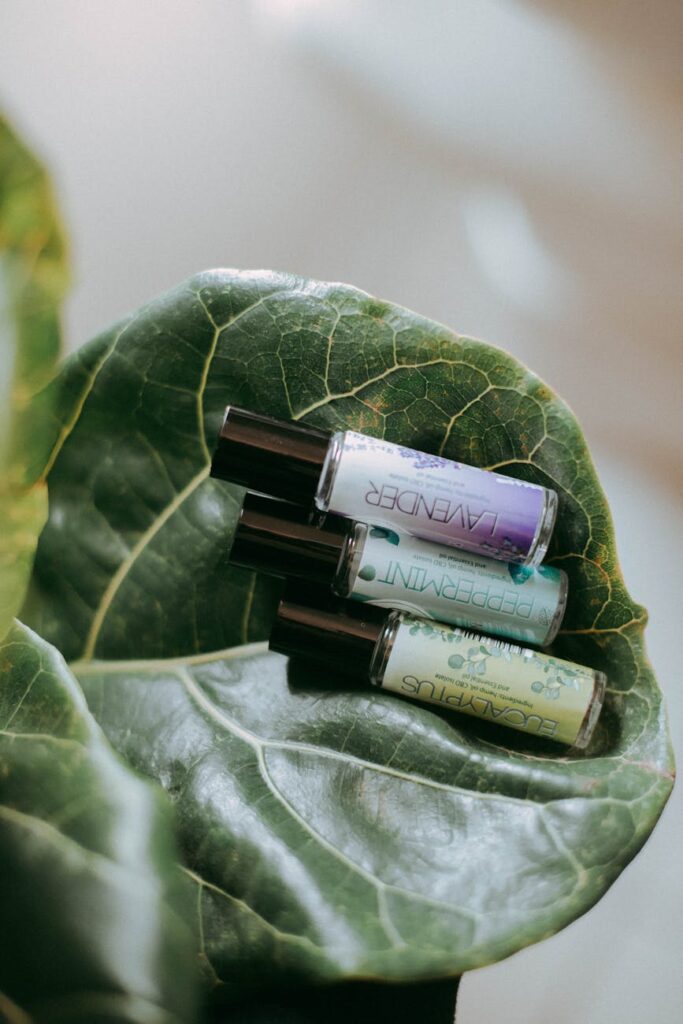
History and Origins of Cleansing Mint Essential Oil Blends
Introduction
Essential oils have been utilized for centuries, both for their aromatic properties and their therapeutic benefits. Among the diverse array of essential oils, mint varieties stand out due to their refreshing scent and invigorating properties. Cleansing mint essential oil blends, which typically include oils derived from peppermint, spearmint, and other mint varieties, have gained popularity for their ability to purify the air, uplift the mood, and promote a sense of clarity. This article delves into the history and origins of cleansing mint essential oil blends, examining their key benefits, common uses, and applications in aromatherapy.
What Is Cleansing Mint Essential Oil Blends?
Cleansing mint essential oil blends are formulations that combine different species of mint, primarily peppermint (Mentha × piperita) and spearmint (Mentha spicata), along with other complementary essential oils. These blends harness the unique aromatic and therapeutic properties of mint, making them ideal for cleansing and rejuvenating both the mind and environment.
The primary constituents of mint essential oils include menthol, menthone, and various other monoterpenes and sesquiterpenes. These compounds are responsible for the characteristic cooling sensation and invigorating aroma associated with mint oils.
Key Benefits and Properties
Aromatic Properties
Cleansing mint essential oil blends are renowned for their refreshing and uplifting scent. The menthol component provides a cooling effect, making it especially popular in both aromatherapy and cosmetic applications. The aroma is believed to stimulate the senses, enhance mental clarity, and promote alertness.
Purifying Qualities
Mint essential oils are often regarded for their purifying properties. When diffused, these blends can help purify the air, eliminating unpleasant odors and creating a fresh environment. This makes them a popular choice for use in home cleaning products and air fresheners.
Mood Enhancement
Cleansing mint blends are believed to possess mood-enhancing properties, which can help alleviate feelings of stress and anxiety. The invigorating scent can uplift spirits and promote a sense of well-being, making them particularly beneficial during times of emotional strain.
Digestive Support
While this article does not provide medical advice, it is worth noting that mint oils have traditionally been associated with digestive support. The aromatic compounds in mint may help create a soothing atmosphere conducive to relaxation.
Common Uses
Cleansing mint essential oil blends can be employed in various applications, including:
Aromatherapy Diffusion
One of the most common uses of cleansing mint blends is through diffusion. Using a diffuser, one can disperse the aromatic compounds into the air, creating an invigorating atmosphere.
Personal Care Products
Mint essential oil blends are often incorporated into personal care products, including soaps, shampoos, and lotions. Their refreshing scent and cooling sensation make them ideal for use in products designed to awaken the senses.
Natural Cleaning Solutions
Due to their purifying properties, mint blends can be added to homemade cleaning solutions. Their antimicrobial characteristics and pleasant aroma can enhance the efficacy of cleaning products while providing a fresh scent.
Massage Oils
When diluted with a carrier oil, cleansing mint blends are frequently used in massage therapies. The cooling sensation of menthol can enhance muscle relaxation and promote a sense of well-being during a massage.
Aromatherapy Applications
The therapeutic use of cleansing mint essential oil blends in aromatherapy is diverse, offering various methods of application:
Inhalation
Inhalation is a simple and effective way to experience the benefits of mint essential oils. Inhaling the aroma directly from the bottle or using steam inhalation can provide an immediate mood boost and promote mental clarity.
Topical Application
When properly diluted with a carrier oil, cleansing mint blends can be applied topically. This method is particularly effective for localized cooling effects and is often utilized in massage therapies.
Bathing
Adding a few drops of cleansing mint essential oil blends to a warm bath can create a rejuvenating experience. The steam from the bath enhances the aromatic properties, transforming a simple bathing routine into a sensory experience.
Safety Considerations
While cleansing mint essential oil blends are generally considered safe for use, several precautions should be taken:
Skin Sensitivity
Mint essential oils can cause skin irritation in some individuals, particularly when used in high concentrations. It is advisable to conduct a patch test prior to widespread topical application.
Avoiding Sensitive Areas
Care should be taken to avoid contact with sensitive areas, including the eyes and mucous membranes. If contact occurs, rinse thoroughly with vegetable oil or a carrier oil, as water may exacerbate irritation.
Pregnant or Nursing Individuals
As with any essential oil, pregnant or nursing individuals should exercise caution and consult a qualified professional before use.
Children
Cleansing mint blends should be used with caution around young children. Always dilute appropriately and consult guidelines specific to children’s use of essential oils.
Storage and Shelf Life
Proper storage is essential for maintaining the quality of mint essential oil blends. Here are some tips for optimal storage:
Dark Glass Containers
Essential oils should be stored in dark glass containers to protect them from light, which can degrade the oils over time.
Cool, Dry Place
Keep the bottles in a cool, dry place, away from direct sunlight and heat sources. This helps preserve the integrity of the oils and extends their shelf life.
Shelf Life
Generally, mint essential oils have a shelf life of about 1 to 3 years when stored properly. However, it is important to check for any changes in aroma, color, or consistency before use.
Frequently Asked Questions
What is the difference between peppermint and spearmint essential oils?
Peppermint oil (Mentha × piperita) has a higher menthol content, which gives it a stronger, more intense aroma and cooling sensation. Spearmint oil (Mentha spicata), on the other hand, has a sweeter, milder aroma and lower menthol content, making it less intense.
Can I blend mint essential oils with other oils?
Yes, mint essential oils blend well with a variety of other essential oils, including citrus oils (like lemon and orange), eucalyptus, and rosemary. Experimenting with different blends can create unique aromatic experiences.
How can I use cleansing mint blends in cleaning?
To create a natural cleaning solution, mix a few drops of cleansing mint essential oil blends with water and vinegar in a spray bottle. Shake well before use and apply to surfaces for a refreshing clean.
Are there any contraindications for using mint essential oils?
Individuals with certain health conditions, such as acid reflux or respiratory issues, may need to exercise caution. It is advisable to consult with a qualified professional for personalized guidance.
Can I use mint essential oils in food?
While some mint essential oils are safe for culinary use, not all essential oils are created equal. It is essential to use food-grade oils and to follow guidelines regarding dosages and applications.
Conclusion
Cleansing mint essential oil blends offer a refreshing and invigorating experience, rooted in a rich historical context. Their diverse applications in aromatherapy, personal care, and natural cleaning solutions make them a valuable addition to any essential oil collection. By understanding their benefits, uses, and safety considerations, individuals can fully appreciate the unique properties of these delightful oils.