
History and Origins of Clove Extract
Introduction
Clove extract, derived from the dried flower buds of the clove tree (Syzygium aromaticum), has a rich history that spans centuries and continents. Renowned for its culinary and medicinal properties, clove has found a significant place in various cultures. This article delves into the historical origins of clove extract, its composition, benefits, applications, and safety considerations, providing a comprehensive overview of this remarkable natural product.
What Is Clove Extract?
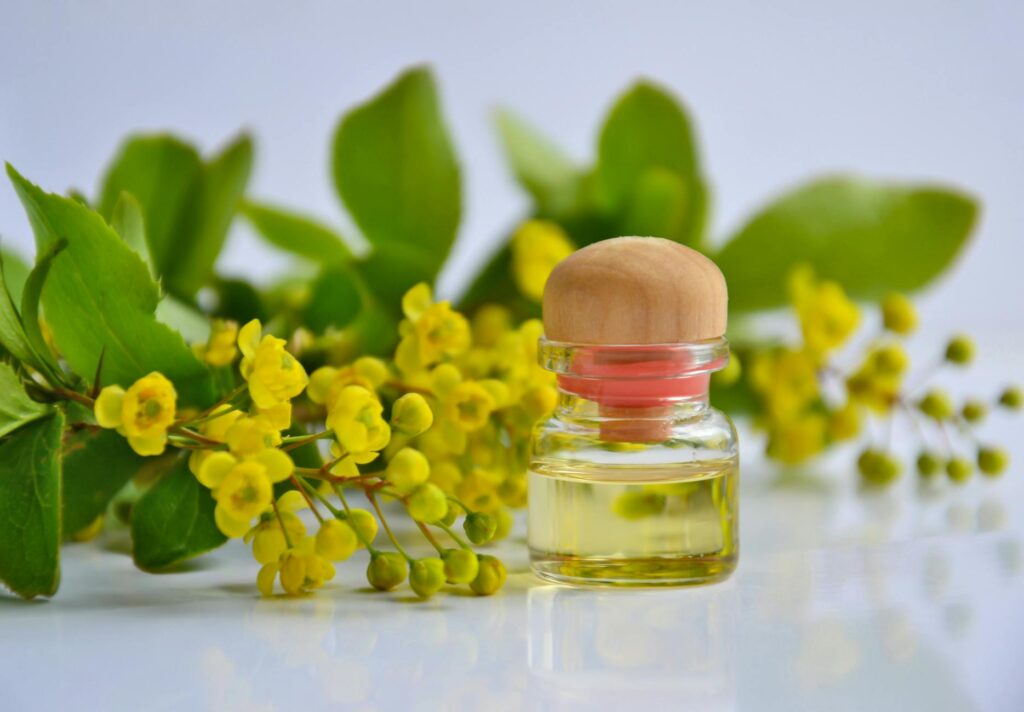
Clove extract is a concentrated form of the essential oil derived from the flower buds, leaves, and stems of the clove tree. The extraction process typically involves steam distillation or solvent extraction to isolate the active compounds, primarily eugenol, which is responsible for its characteristic aroma and therapeutic properties. The extract is often used in culinary applications, aromatherapy, and natural health products, making it a versatile ingredient in both traditional and modern practices.
Key Benefits and Properties
Clove extract is celebrated not only for its strong flavor but also for its array of beneficial properties. The key active component, eugenol, possesses antioxidant, anti-inflammatory, and antimicrobial properties. Other compounds found in clove extract, such as beta-caryophyllene and tannins, contribute to its diverse health-promoting effects. Below are some notable benefits associated with clove extract:
1. Antioxidant Properties: Clove extract is rich in antioxidants, which help combat oxidative stress in the body, potentially reducing the risk of chronic diseases.
2. Anti-inflammatory Effects: The anti-inflammatory properties of eugenol may aid in reducing inflammation, making clove extract a popular choice in natural remedies.
3. Antimicrobial Activity: Clove extract has been shown to possess antimicrobial properties that can inhibit the growth of various bacteria and fungi, making it useful in food preservation and hygiene.
4. Digestive Health: Traditionally, clove has been used to alleviate digestive issues, such as bloating and gas, although scientific studies are limited.
5. Pain Relief: The analgesic properties of eugenol make clove extract a common ingredient in topical pain relief products.
Common Uses
Clove extract is utilized in a variety of applications:
Culinary Uses
Clove extract is a staple in many cuisines around the world, particularly in Indian, Indonesian, and Middle Eastern dishes. It adds warmth and depth to both sweet and savory dishes, including:
- Spices and Seasonings: Often blended with other spices to create complex flavor profiles in curries, marinades, and spice mixes.
- Beverages: Used to flavor chai and mulled wine, imparting a rich, aromatic quality.
- Baking: A key ingredient in various baked goods, such as gingerbread and pumpkin pie.
- Soaps and Cleansers: Known for its antimicrobial properties, clove extract is used in natural cleansing products.
- Fragrances: The warm, spicy scent of clove makes it a popular choice in perfumes and scented candles.
- Insect Repellents: Its strong odor is effective in repelling pests, making it a natural choice for homemade insect repellents.
- Disinfectants: Due to its antimicrobial properties, clove extract is used in some natural cleaning solutions.
- Skin Sensitivity: Clove extract can cause skin irritation in some individuals. It is advisable to conduct a patch test before using it topically. Dilution with a carrier oil is recommended.
- Pregnancy and Nursing: Pregnant or nursing women should consult a healthcare professional before using clove extract, as its effects on pregnancy and lactation have not been extensively studied.
- Allergies: Individuals with known allergies to cloves or related plants should avoid using clove extract.
- Interactions: Clove extract may interact with certain medications, particularly anticoagulants. It is important to consult with a healthcare professional if you are on medication before using clove extract.
- Container: Store clove extract in a dark glass bottle to protect it from light and prevent degradation.
- Temperature: Keep it in a cool, dry place away from direct sunlight and heat sources, as high temperatures can alter its composition.
- Shelf Life: When stored properly, clove extract can last for several years. However, it is advisable to check for any changes in aroma or appearance before use.
Cosmetic and Personal Care
Clove extract is frequently included in cosmetic formulations due to its fragrant properties and potential benefits for skin health. It is found in products such as:
Household Products
Clove extract is also employed in the formulation of various household products:
Aromatherapy Applications
In the realm of aromatherapy, clove extract is appreciated for its warm, spicy fragrance, which is believed to promote feelings of comfort and relaxation. It can be used in various ways, including:
1. Diffusion: Adding a few drops of clove extract to a diffuser can create a cozy atmosphere, particularly during colder months or festive occasions.
2. Massage Oils: When diluted with a carrier oil, clove extract can be used in massage oils to provide warmth and soothe muscular tension.
3. Bath Products: Incorporating clove extract into bath products can enhance relaxation and provide a calming experience.
4. Inhalation: Inhaling the aroma of clove extract may promote a sense of clarity and focus, making it a valuable addition to study or work environments.
Safety Considerations
While clove extract is generally considered safe for most people when used appropriately, there are some important safety considerations:
Storage and Shelf Life
To maintain the quality and potency of clove extract, proper storage is essential:
Frequently Asked Questions
1. What are the main components of clove extract?
The primary active component of clove extract is eugenol, which contributes to its characteristic aroma and therapeutic properties. Other compounds include beta-caryophyllene, acetyl eugenol, and various flavonoids.
2. Can clove extract be consumed?
Clove extract is generally recognized as safe for culinary use in small amounts. However, concentrated forms of the extract should be used with caution. It is advisable to consult a culinary expert or nutritionist for guidance on safe consumption.
3. Is clove extract suitable for children?
Clove extract should be used with caution in children. It is advisable to consult a healthcare professional before using clove extract for children, especially in concentrated forms.
4. What other essential oils pair well with clove extract?
Clove extract blends well with other warm, spicy, or citrus essential oils, such as cinnamon, nutmeg, orange, and ginger. These combinations can enhance the aromatic profile in diffusers or personal care products.
5. Where can I purchase high-quality clove extract?
High-quality clove extract can be found in health food stores, specialty shops, and online retailers. It is advisable to choose products that are labeled as pure and organic to ensure quality.
Conclusion
Clove extract, with its deep historical roots and versatile applications, continues to be a cherished ingredient in culinary, cosmetic, and therapeutic realms. Its rich flavor and array of beneficial properties make it a valuable addition to any natural health toolkit. As interest in natural remedies and holistic practices grows, understanding the history and origins of clove extract provides valuable context for its continued use and appreciation in modern society.