
History and Origins of Coconut Cream Oil
Introduction
Coconut cream oil, a versatile and aromatic substance derived from the coconut fruit, has gained significant popularity in recent years due to its numerous benefits and applications. This article explores the rich history and origins of coconut cream oil, its composition, key benefits, common uses, and safety considerations. By understanding its historical context and properties, one can appreciate the value of this oil in modern practices, particularly in aromatherapy and personal care.
What Is Coconut Cream Oil?
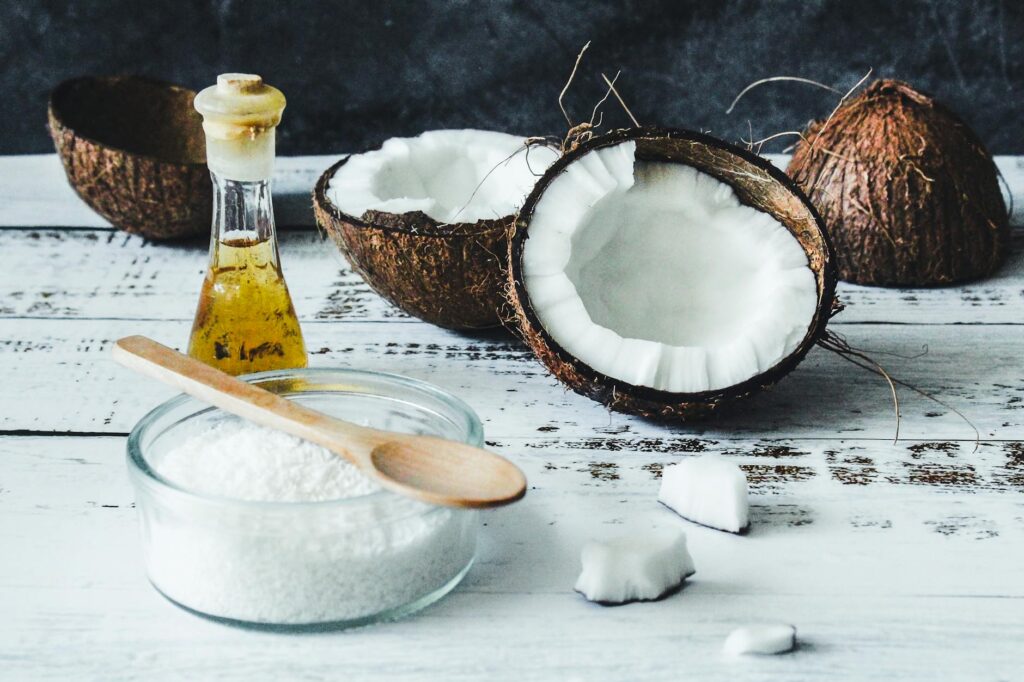
Coconut cream oil is produced from the flesh of mature coconuts. It is created by blending the coconut meat and then separating the oil from the water, resulting in a creamy, rich oil that retains the flavor and aroma of fresh coconuts. The extraction process can vary, with methods including cold-pressing and heat extraction, each affecting the oil’s flavor and nutrient profile.
Coconut cream oil is distinct from coconut oil, which is typically extracted using more refined processes. While both oils share similar fatty acid profiles, coconut cream oil is often appreciated for its creaminess and higher nutritional content, making it a popular choice in culinary and cosmetic applications.
Key Benefits and Properties
Coconut cream oil is celebrated for its numerous properties and benefits:
1. Nutrient-Rich Composition: Packed with medium-chain triglycerides (MCTs), particularly lauric acid, coconut cream oil is known for its potential energy-boosting properties. These fats are metabolized differently than long-chain fatty acids, leading to quicker energy release.
2. Moisturizing Qualities: The oil’s emollient properties make it an excellent moisturizer for skin and hair. It can help maintain hydration, promote elasticity, and combat dryness.
3. Antimicrobial and Antifungal Effects: Preliminary studies suggest that some compounds in coconut cream oil may possess antimicrobial and antifungal properties, which may help in maintaining skin health.
4. Aromatic Characteristics: The delightful scent of coconut cream oil adds a sensory experience that can enhance mood and relaxation, making it a valuable addition to aromatherapy practices.
Common Uses
Coconut cream oil is incredibly versatile and can be used in various applications, including:
1. Culinary Uses: Its rich flavor makes it a popular choice for cooking, baking, and as a finishing oil. It can be used in recipes for smoothies, desserts, and more.
2. Cosmetic Applications: Due to its moisturizing properties, coconut cream oil is commonly found in skincare products, including lotions, creams, and hair treatments.
3. Massage Oil: Used in massage therapy, coconut cream oil provides a smooth glide, making it an excellent choice for bodywork.
4. Aromatherapy Blends: Its appealing aroma makes it a favorite in homemade aromatherapy blends, often combined with essential oils for enhanced therapeutic effects.
Aromatherapy Applications
Aromatherapy is a holistic practice that utilizes essential oils and aromatic compounds to promote physical and emotional well-being. Coconut cream oil plays a significant role in this practice due to its sensory properties and compatibility with essential oils.
1. Carrier Oil: Coconut cream oil serves as a carrier oil, which dilutes essential oils for topical application. This helps reduce the risk of skin irritation while allowing the therapeutic properties of essential oils to be absorbed effectively.
2. Synergy with Essential Oils: The creamy texture and pleasant aroma of coconut cream oil can enhance the therapeutic benefits of various essential oils. Popular combinations include lavender for relaxation, eucalyptus for respiratory support, and citrus oils for uplifting moods.
3. Diffusion: While coconut cream oil is not typically used in diffusers, it can be incorporated into homemade aromatherapy products like candles and oil blends, providing a creamy base that enhances scent retention.
4. Meditation and Mindfulness: The soothing scent of coconut cream oil can promote relaxation and mindfulness. Incorporating it into meditation practices can enhance the sensory experience, helping individuals connect more deeply with their surroundings.
Safety Considerations
While coconut cream oil is generally recognized as safe for most individuals, certain precautions should be observed:
1. Allergies: Those with coconut allergies should avoid using coconut cream oil, as it may trigger allergic reactions.
2. Skin Sensitivity: Before applying coconut cream oil to the skin, it is advisable to perform a patch test to check for any adverse reactions.
3. Ingestion: Although coconut cream oil is safe for culinary use, individuals with specific dietary restrictions or health conditions should consult a healthcare professional before incorporating it into their diet.
4. Storage: Proper storage is essential to maintain the quality and shelf life of coconut cream oil.
Storage and Shelf Life
To preserve the quality of coconut cream oil, consider the following storage tips:
1. Cool, Dark Place: Store the oil in a cool, dark environment, away from direct sunlight and heat sources. This helps prevent oxidation and rancidity.
2. Sealed Container: Keep the oil in a tightly sealed container to minimize exposure to air and moisture.
3. Refrigeration: In warmer climates, refrigeration may be beneficial to extend shelf life, although it may solidify. Allow it to return to room temperature before use.
4. Shelf Life: When stored properly, coconut cream oil can last for up to two years. However, it is essential to check for any off-smells or changes in texture before use.
Frequently Asked Questions
1. Is there a difference between coconut cream oil and coconut oil?
Yes, coconut cream oil is extracted from the flesh of mature coconuts and has a creamier texture, while coconut oil is usually refined and has a more solid consistency at room temperature.
2. Can coconut cream oil be used for cooking?
Absolutely! Coconut cream oil is a versatile cooking oil that adds a rich flavor to various dishes, including baking, frying, and sautéing.
3. Is coconut cream oil safe for all skin types?
While generally safe, individuals with sensitive skin or allergies should conduct a patch test before applying coconut cream oil to larger areas.
4. How do I incorporate coconut cream oil into my skincare routine?
You can use it as a moisturizer, add it to your bath, or mix it with essential oils for a personalized skincare blend.
5. Can coconut cream oil go bad?
Yes, like all oils, coconut cream oil can go rancid if not stored properly. Check for changes in smell or texture before use.
Conclusion
The history and origins of coconut cream oil reveal its significance in culinary, cosmetic, and therapeutic practices throughout various cultures. By understanding its properties, benefits, and applications, individuals can make informed choices regarding its use in their daily lives. Whether enjoyed in a delicious recipe, applied to the skin, or utilized in aromatherapy, coconut cream oil continues to be a cherished oil with a rich tradition that spans generations.