
History and Origins of Coconut MCT Oil
Introduction
Coconut MCT oil has gained significant attention over the past few decades, praised for its versatility and health benefits. This oil, derived from coconuts, is rich in medium-chain triglycerides (MCTs), a type of fat that is metabolized differently than long-chain triglycerides (LCTs). Understanding the history and origins of coconut MCT oil not only sheds light on its culinary and therapeutic uses but also provides insight into how traditional practices have shaped modern applications.
What Is Coconut MCT Oil?
Coconut MCT oil is a concentrated source of medium-chain triglycerides, which are fatty acids that contain between 6 to 12 carbon atoms. Unlike long-chain fatty acids, which require more complex digestion processes, MCTs are rapidly absorbed and utilized by the body, making them a quick source of energy. The primary components of coconut MCT oil include caprylic acid (C8), capric acid (C10), and, to a lesser extent, lauric acid (C12).
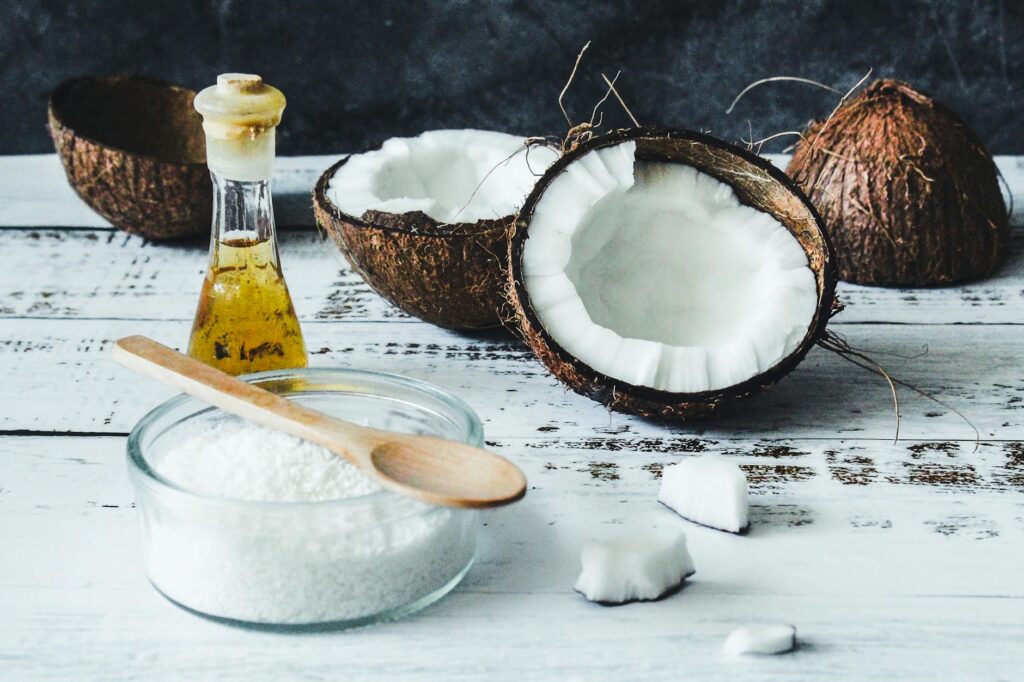
Coconut MCT oil is typically extracted from the flesh of mature coconuts through methods such as cold pressing or fractionation. The latter separates the medium-chain triglycerides from the long-chain triglycerides, resulting in a product that is lighter in texture and flavor compared to traditional coconut oil.
Key Benefits and Properties
Coconut MCT oil is lauded for several key benefits:
1. Energy Boost: MCTs are metabolized more quickly than other fats, making them a popular choice for athletes and those seeking quick energy sources.
2. Weight Management: Some studies suggest that MCT oil may help in weight management by promoting satiety and increasing metabolic rate.
3. Cognitive Function: MCTs can be converted into ketones, an alternative energy source for the brain, which has led to interest in their potential cognitive benefits.
4. Digestive Health: MCT oil may aid in gut health by supporting the growth of beneficial bacteria and acting as an antimicrobial agent.
5. Skin and Hair Care: The moisturizing properties of coconut MCT oil make it a popular ingredient in cosmetics and personal care products.
Common Uses
Coconut MCT oil has a diverse range of applications, including:
- Culinary Uses: Due to its stable nature when heated, MCT oil is often used in cooking and baking. It can be added to smoothies, coffee, and salad dressings for an energy boost.
- Dietary Supplement: Many individuals consume MCT oil as a supplement to enhance their diet, particularly in ketogenic and low-carb diets.
- Cosmetic Applications: MCT oil is frequently incorporated into lotions, creams, and hair products due to its moisturizing properties.
- Oil for Diffusion: When used in aromatherapy, MCT oil can act as a carrier oil for essential oils, allowing for effective application and absorption.
- Lavender: Known for its calming properties, lavender essential oil can be blended with MCT oil for soothing massages.
- Peppermint: This invigorating oil can be added for an energizing effect, often employed in blends aimed at improving focus or alertness.
- Tea Tree: Renowned for its antimicrobial properties, tea tree oil can be mixed with MCT oil for skin applications.
- Allergic Reactions: Individuals with allergies to coconuts should avoid using coconut MCT oil.
- Skin Sensitivity: Although MCT oil is often well-tolerated, some individuals may experience skin irritation. It is advisable to perform a patch test before widespread use.
- Digestive Sensitivity: Consuming MCT oil may cause digestive discomfort in some individuals, especially if taken in large amounts. It is recommended to start with small doses and gradually increase as tolerated.
Aromatherapy Applications
In aromatherapy, coconut MCT oil serves as an effective carrier oil, facilitating the application of essential oils while enhancing their absorption into the skin. Its light texture and neutral scent make it an excellent base for various aromatic blends.
Creating Blends
To create an aromatherapy blend using coconut MCT oil, practitioners often combine it with essential oils tailored to specific needs or preferences. Common essential oils used in conjunction with MCT oil include:
Application Methods
The blended oils can be applied topically, used in diffusion, or added to baths for relaxation. The ability of MCT oil to penetrate the skin effectively helps enhance the overall therapeutic experience.
Safety Considerations
While coconut MCT oil is generally considered safe for most people, there are some important safety considerations to keep in mind:
Storage and Shelf Life
Proper storage of coconut MCT oil is essential for maintaining its quality. It should be kept in a cool, dark place, away from direct sunlight and heat sources. The oil is typically packaged in dark glass or opaque containers to protect it from light exposure.
When stored correctly, coconut MCT oil has a shelf life of approximately 18 months to 2 years. It is advisable to check for any off odors or changes in appearance before use, as these may indicate spoilage.
Frequently Asked Questions
What is the difference between coconut oil and coconut MCT oil?
Coconut oil contains both medium-chain and long-chain triglycerides, while coconut MCT oil is specifically concentrated in medium-chain triglycerides. This makes MCT oil lighter and easier to digest.
Can coconut MCT oil be used for cooking?
Yes, coconut MCT oil can be used for cooking, particularly in low-heat applications. However, it is not suitable for high-heat cooking methods like frying, as it may lose some of its beneficial properties.
Is coconut MCT oil suitable for everyone?
While coconut MCT oil is generally safe for most people, those with coconut allergies should avoid it. Additionally, individuals with certain digestive conditions may need to consult a healthcare provider before use.
How can I incorporate coconut MCT oil into my diet?
Coconut MCT oil can be added to smoothies, coffee, salad dressings, and baked goods. It can also be taken as a dietary supplement, but it’s advisable to start with small amounts.
Can coconut MCT oil be used in skincare?
Yes, coconut MCT oil is often used in skincare products for its moisturizing properties. It can be applied directly to the skin or used as a carrier oil for essential oils.
Conclusion
Coconut MCT oil has a rich history that intertwines traditional practices with modern applications. Its unique properties and versatility make it a valuable addition to both dietary and therapeutic practices. As research continues to expand our understanding of medium-chain triglycerides, coconut MCT oil remains a fascinating subject within the realms of nutrition and aromatherapy. By appreciating its origins and benefits, individuals can make informed decisions about incorporating this oil into their daily routines.