
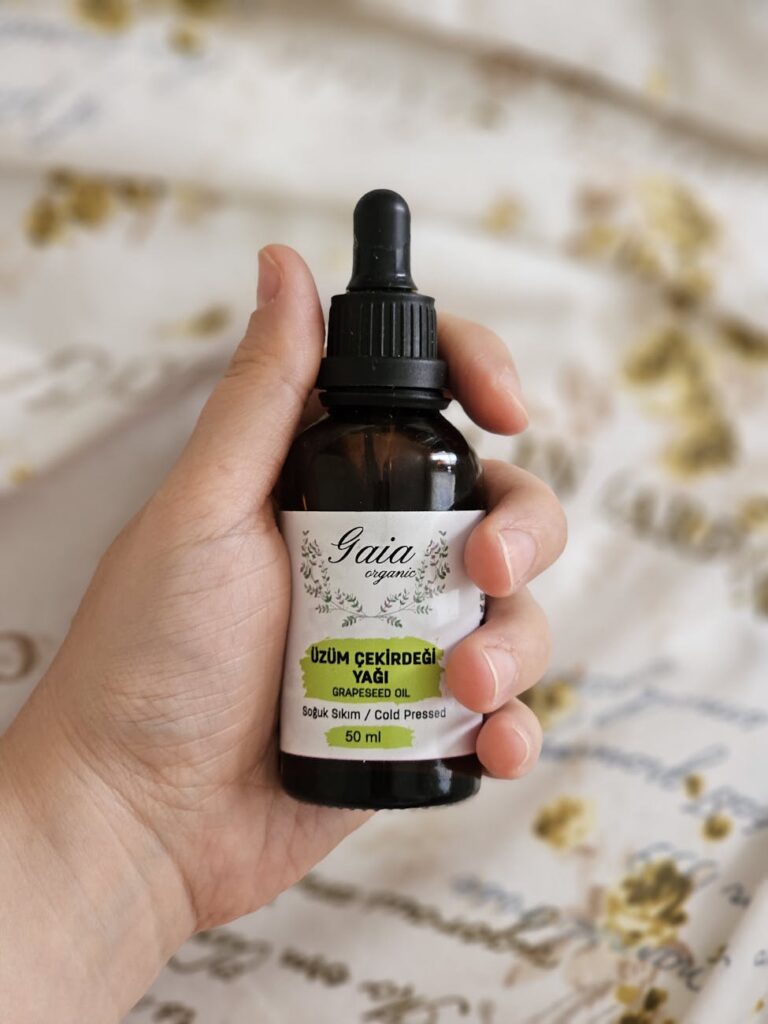
History and Origins of Cold-Pressed Chia Seed Oil
Introduction
The use of oils extracted from seeds and plants has a rich history, rooted in various cultures around the world. Among these, chia seed oil has emerged as a noteworthy player due to its unique properties and benefits. This article delves into the history and origins of cold-pressed chia seed oil, providing an in-depth understanding of its background, benefits, uses, and more.
What Is Cold-Pressed Chia Seed Oil?
Cold-pressed chia seed oil is derived from the seeds of the Salvia hispanica plant, commonly known as chia. Native to Central and South America, chia seeds date back to ancient civilizations, where they were utilized as a staple food source. The oil is extracted through a cold-pressing method, which involves mechanically pressing the seeds without the application of heat. This process retains the oil’s natural properties, flavors, and nutritional benefits.
The chia plant can grow up to 1 meter in height and produces small, oval-shaped seeds that can be either black, white, or gray. Cold-pressed chia seed oil is characterized by its light, nutty flavor and pale yellow color, making it a desirable ingredient in both culinary and cosmetic applications.
Key Benefits and Properties
Chia seed oil is known for its impressive nutritional profile, which includes:
- Omega-3 Fatty Acids: Rich in alpha-linolenic acid (ALA), chia seed oil is a plant-based source of omega-3 fatty acids, beneficial for heart and brain health.
- Antioxidants: The oil contains antioxidants like tocopherols, which protect against oxidative stress and promote skin health.
- Vitamins and Minerals: Chia seed oil is a source of essential vitamins such as vitamin A, which supports skin health, and various minerals like calcium and magnesium.
- Hydrating Properties: Due to its high fatty acid content, chia seed oil is an excellent moisturizer, making it popular in skincare formulations.
- Allergic Reactions: Individuals with known allergies to chia seeds or related plants should avoid using chia seed oil.
- Skin Sensitivity: While chia seed oil is suitable for most skin types, it is advisable to perform a patch test before widespread application to check for any adverse reactions.
- Dietary Considerations: Chia seed oil should be consumed in moderation, as excessive intake might lead to digestive discomfort.
- Cool, Dark Place: Store the oil in a cool, dark place away from direct sunlight, which can degrade its quality.
- Refrigeration: For extended shelf life, consider refrigerating the oil. Chia seed oil can last up to 12 months when stored correctly.
- Sealed Container: Ensure the oil is kept in a tightly sealed container to prevent oxidation and contamination.
These properties have led to its growing popularity in both culinary and cosmetic spaces.
Common Uses
Chia seed oil is utilized in various applications, including:
1. Culinary Uses
Chia seed oil is often used as a salad dressing, drizzled over cooked vegetables, or blended into smoothies. Its light flavor and high smoke point make it a suitable option for sautéing and baking. It can also be incorporated into energy bars, granola, and other health foods due to its nutritional benefits.
2. Skincare
In the realm of cosmetics, chia seed oil is celebrated for its moisturizing and anti-inflammatory properties. It is often included in lotions, creams, and serums, particularly for dry or sensitive skin. Its ability to penetrate deeply makes it effective for nourishing the skin without leaving a greasy residue.
3. Hair Care
Chia seed oil is also gaining traction in hair care products. Its hydrating properties help to strengthen hair, reduce frizz, and enhance shine. It can be used as a standalone treatment or incorporated into shampoos and conditioners.
Aromatherapy Applications
While chia seed oil is not as commonly associated with aromatherapy as other oils, it plays a supportive role in the practice. It is often used as a carrier oil due to its light texture and skin-friendly properties.
1. Blending with Essential Oils
Chia seed oil can be combined with essential oils for topical applications. Its high omega-3 content may complement the properties of various essential oils, enhancing their absorption and effectiveness. Popular essential oils to blend with chia seed oil include lavender for relaxation, tea tree for its antibacterial properties, and rosemary for invigorating effects.
2. Massage
In massage therapy, chia seed oil’s smooth texture allows for easy application and glide, making it an excellent choice for body massages. Its nourishing properties can enhance the massage experience, promoting relaxation and skin hydration.
Safety Considerations
Although generally safe for use, it is essential to consider the following safety aspects when using chia seed oil:
Storage and Shelf Life
To maintain the quality and efficacy of cold-pressed chia seed oil, proper storage is crucial. Here are some tips:
Frequently Asked Questions
1. Can I use chia seed oil for cooking?
Yes, chia seed oil can be used for cooking due to its high smoke point. However, it is best suited for low to medium heat cooking and as a finishing oil to preserve its nutritional properties.
2. Is chia seed oil suitable for all skin types?
Chia seed oil is generally suitable for all skin types, including sensitive skin. However, it is recommended to conduct a patch test before extensive use.
3. How does chia seed oil compare to other oils?
Chia seed oil is unique due to its high omega-3 content, which distinguishes it from other common oils like olive or coconut oil. Each oil has its specific benefits and uses, making them suitable for different applications.
4. Where can I find cold-pressed chia seed oil?
Cold-pressed chia seed oil is available at health food stores, online retailers, and specialty oil shops. When purchasing, look for products that are labeled as cold-pressed and organic to ensure quality.
5. Can chia seed oil go rancid?
Yes, like any oil, chia seed oil can go rancid if not stored properly. To maintain its freshness, store it in a cool, dark place and consume it within the recommended time frame.
Conclusion
The history and origins of cold-pressed chia seed oil reveal its significance in various cultures and practices. With its rich nutritional profile and versatile applications, chia seed oil has established itself as a valuable addition to both culinary and cosmetic realms. As interest in natural and plant-based products continues to grow, chia seed oil is likely to remain a prominent choice for those seeking beneficial oils for health and wellness.