
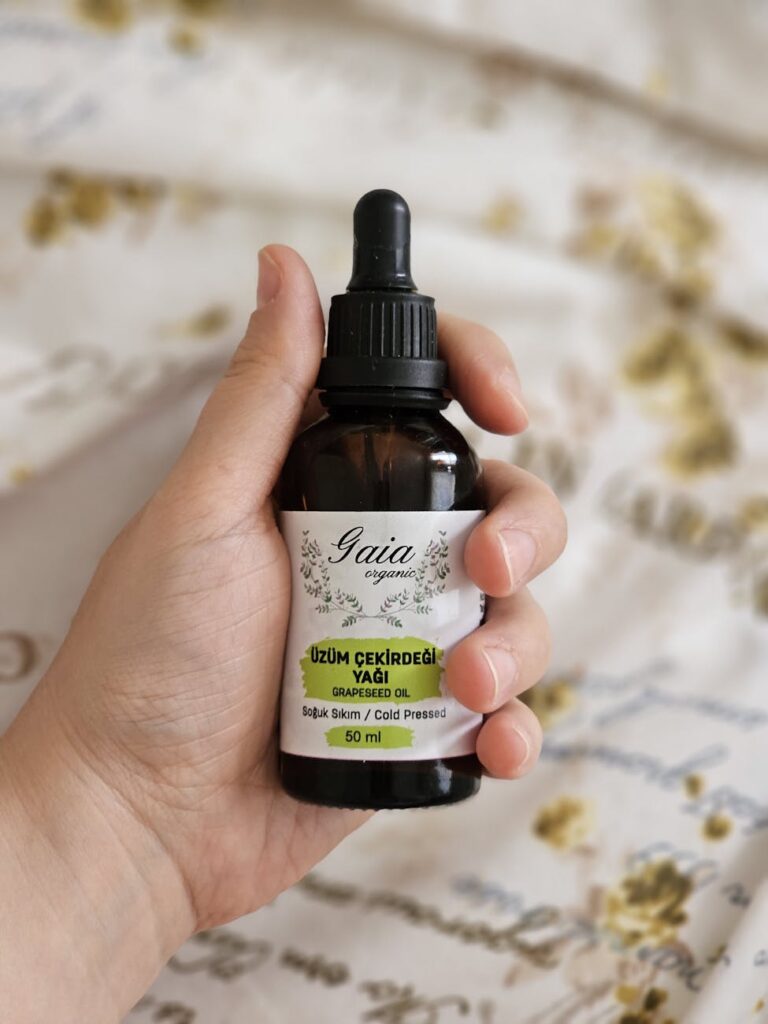
History and Origins of Cold-Pressed Hazelnut Oil
Introduction
Cold-pressed hazelnut oil is a fragrant, versatile oil derived from the nuts of the hazel tree (Corylus avellana). Renowned for its rich flavor, nutritional profile, and various applications, this oil has a long-standing history interwoven with cultures across Europe and beyond. This article explores the origins, benefits, uses, and safety considerations of cold-pressed hazelnut oil, providing a comprehensive overview for those interested in this unique oil.
What Is Cold-Pressed Hazelnut Oil?
Cold-pressed hazelnut oil is produced using a mechanical method that involves crushing hazelnuts at low temperatures to extract the oil without the use of heat or chemical solvents. This method preserves the oil’s natural flavor, aroma, and nutrients, making it a favored choice among culinary enthusiasts and health-conscious consumers alike.
The extraction process typically involves the following steps:
1. Harvesting: Hazelnuts are gathered from the hazel tree, which thrives primarily in temperate climates. The nuts are usually harvested in late summer or early autumn when they have fully ripened.
2. Cleaning: The harvested nuts are cleaned to remove debris, dirt, and any damaged nuts.
3. Crushing: The cleaned nuts are then mechanically crushed to break down the cell walls, allowing the oil to be released.
4. Pressing: The crushed nuts are placed in a hydraulic or screw press that applies pressure to extract the oil at low temperatures.
5. Filtration: Finally, the extracted oil is filtered to remove any remaining solid particles, resulting in a clear and pure oil.
Key Benefits and Properties
Cold-pressed hazelnut oil boasts a variety of nutritional and cosmetic properties, making it a valuable addition to both culinary and beauty applications.
Nutritional Profile
- Rich in Nutrients: Hazelnut oil is rich in essential fatty acids, particularly oleic acid, which is known for its heart-healthy benefits. It also contains vitamins E and K, magnesium, and antioxidants that contribute to overall health.
- Low in Saturated Fat: Unlike many other oils, hazelnut oil has a low saturated fat content, making it a healthier choice for cooking and salad dressings.
- Moisturizing Properties: It is an excellent emollient, making it beneficial for skin hydration. The oil penetrates the skin easily, leaving it soft and smooth without a greasy residue.
- Anti-Aging Effects: Thanks to its high vitamin E content, hazelnut oil can help protect the skin from oxidative stress and may reduce the appearance of fine lines and wrinkles.
- Non-Comedogenic: Hazelnut oil has a low comedogenic rating, meaning it is less likely to clog pores compared to other oils, making it suitable for various skin types, including oily and acne-prone skin.
- Cooking: The oil’s mild, nutty flavor makes it suitable for sautéing, roasting, and frying. It has a relatively high smoke point (around 430°F or 220°C), allowing for a variety of cooking methods without losing its flavor.
- Salad Dressings: Hazelnut oil can add a rich taste to salad dressings and marinades. Its unique flavor pairs well with vinegar, citrus, and honey.
- Baking: It can be used in baking recipes, providing depth to cakes, cookies, and pastries.
- Skincare: Cold-pressed hazelnut oil can be used as a moisturizer, makeup remover, or carrier oil for essential oils in various skincare routines.
- Hair Care: The oil can be applied to hair for added moisture and shine, helping to tame frizz and boost overall health.
- Skin Absorption: Due to its light texture and non-greasy feel, hazelnut oil is easily absorbed by the skin, allowing essential oils to penetrate effectively.
- Nutrient-Rich Base: Using hazelnut oil as a carrier oil provides additional nutritional benefits, enhancing the overall effects of the essential oils it is combined with.
- Allergies: Individuals allergic to nuts should avoid using hazelnut oil, as it may trigger allergic reactions.
- Skin Sensitivity: As with any new skincare product, it is advisable to perform a patch test before applying hazelnut oil to larger areas of the skin.
- Consultation: Pregnant or nursing individuals should consult a healthcare professional before using hazelnut oil, particularly in aromatherapy applications.
- Cool, Dark Place: Store the oil in a cool, dark place away from direct sunlight and heat, which can degrade its quality.
- Seal Tightly: Keep the bottle tightly sealed to prevent oxidation and exposure to air.
Cosmetic Benefits
Common Uses
Cold-pressed hazelnut oil has a range of culinary and cosmetic applications, highlighting its versatility.
Culinary Uses
Cosmetic Uses
Aromatherapy Applications
While cold-pressed hazelnut oil is not an essential oil, it plays a significant role as a carrier oil in aromatherapy. Carrier oils are essential for diluting essential oils before topical application, ensuring safe and effective use.
Blending with Essential Oils
Cold-pressed hazelnut oil blends well with various essential oils, enhancing their therapeutic properties. Its subtle nutty aroma complements many scents, making it an excellent choice for massage oils, skin serums, and custom-blended scents.
Benefits in Aromatherapy
Safety Considerations
While cold-pressed hazelnut oil is generally safe for culinary and cosmetic use, there are a few considerations to keep in mind:
Storage and Shelf Life
To maintain the quality and freshness of cold-pressed hazelnut oil, proper storage is essential:
Shelf Life
Cold-pressed hazelnut oil generally has a shelf life of about 1-2 years when stored properly. However, it is advisable to check for any off smells or changes in color before use, as these can indicate rancidity.
Frequently Asked Questions
1. Can cold-pressed hazelnut oil be used for cooking?
Yes, cold-pressed hazelnut oil can be used for various cooking methods, including sautéing and baking, due to its high smoke point and rich flavor.
2. Is cold-pressed hazelnut oil suitable for all skin types?
While hazelnut oil is generally safe for most skin types and is non-comedogenic, it’s best to perform a patch test for those with sensitive or allergy-prone skin.
3. How does cold-pressed hazelnut oil compare to other oils?
Cold-pressed hazelnut oil has a unique flavor and nutritional profile, particularly high in oleic acid, making it different from oils like olive or coconut oil. Its light texture also makes it a popular choice in skincare.
4. How should cold-pressed hazelnut oil be stored?
Store hazelnut oil in a cool, dark place and keep it tightly sealed to prevent oxidation and rancidity.
5. Can cold-pressed hazelnut oil be used in aromatherapy?
Yes, cold-pressed hazelnut oil is commonly used as a carrier oil in aromatherapy, providing a nutrient-rich base for essential oils.
Conclusion
Cold-pressed hazelnut oil is a remarkable oil with a rich history and diverse applications. From its culinary uses to its role in skincare and aromatherapy, this oil offers numerous benefits that can enhance both health and well-being. By understanding its origins, properties, and uses, one can appreciate the value of this unique oil in everyday life.