
History and Origins of Cold-Pressed Jojoba Oil
Introduction
Jojoba oil, derived from the seeds of the Simmondsia chinensis plant, has a rich history that intertwines with the cultural practices of indigenous peoples and the modern wellness movement. Known for its unique properties and versatility, cold-pressed jojoba oil has become a staple in both cosmetics and aromatherapy. This article delves into the origins of jojoba oil, the cold-pressing extraction method, its benefits, and its various applications.
What Is Cold-Pressed Jojoba Oil?
Cold-pressed jojoba oil is produced through a mechanical extraction process that involves pressing the seeds of the jojoba plant without using heat. This method preserves the oil’s natural properties, ensuring that the resulting product retains its beneficial compounds, vitamins, and minerals. Jojoba oil is not actually an oil in the traditional sense; it is a liquid wax ester, which closely resembles the natural sebum produced by human skin. This characteristic makes it particularly effective for moisturizing and balancing skin and hair.
Historical Context
The jojoba plant is native to the arid regions of North America, specifically the southwestern United States and northern Mexico. Indigenous tribes, such as the Native Americans of the Sonoran Desert, have long used jojoba seeds for various purposes, including as a food source and for their medicinal properties. The first recorded use of jojoba oil dates back to the early 20th century when its oil was recognized for its unique composition.
The commercial interest in jojoba oil surged in the 1970s due to growing environmental concerns surrounding whale oil and other animal-derived products. Jojoba oil emerged as a sustainable alternative, leading to its widespread adoption in personal care products.
Key Benefits and Properties
Cold-pressed jojoba oil boasts several key benefits and properties that contribute to its popularity in cosmetics and self-care:
1. Moisturizing: Its waxy texture allows jojoba oil to form a protective barrier on the skin, preventing moisture loss. This makes it an excellent moisturizer for both skin and hair.
2. Non-Comedogenic: Unlike many oils, jojoba oil does not clog pores, making it suitable for all skin types, including oily and acne-prone skin.
3. Rich in Nutrients: Jojoba oil contains essential fatty acids, vitamins E and B-complex, and antioxidants, which nourish and protect the skin.
4. Balancing: Its composition closely mimics human sebum, allowing it to regulate oil production in the skin, making it beneficial for both dry and oily skin types.
5. Anti-Inflammatory: Jojoba oil has natural anti-inflammatory properties, which can help soothe irritated skin and reduce redness.
Common Uses
Cold-pressed jojoba oil is a versatile ingredient used in various products and applications, including:
- Skin Care: It is commonly found in moisturizers, serums, and lotions. Its ability to hydrate and balance skin makes it a favorite among formulators.
- Hair Care: Jojoba oil can be used as a hair conditioner, scalp treatment, and styling product. It helps to hydrate hair and reduce frizz.
- Makeup Remover: Its gentle cleansing properties make jojoba oil an effective makeup remover, breaking down makeup without harsh chemicals.
- Massage Oil: Due to its smooth texture, jojoba oil is often used as a carrier oil in massage therapy, allowing for easy application and glide.
- Lavender and Jojoba: This blend can provide relaxation and stress relief when used in massage or as an aromatic bath oil.
- Tea Tree and Jojoba: Combining these two can create a soothing treatment for blemished skin.
- Peppermint and Jojoba: This combination can be invigorating and refreshing when applied to the scalp during a massage, promoting a sense of alertness.
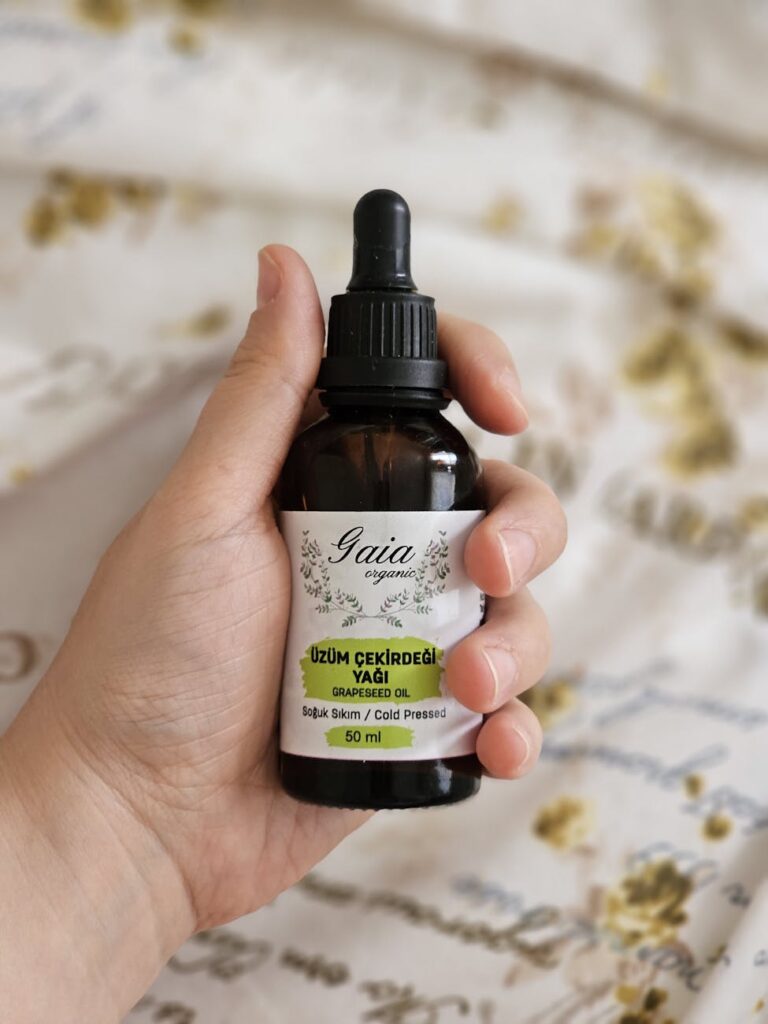
- Use Dark Glass Bottles: Store jojoba oil in dark glass containers to protect it from light exposure.
- Seal Tightly: Ensure that the bottle is sealed tightly to prevent air from entering, which can lead to oxidation.
- Cool Environment: Keep the oil in a cool, dry place away from direct sunlight and heat sources.
Aromatherapy Applications
In the realm of aromatherapy, cold-pressed jojoba oil serves as an excellent carrier oil for essential oils. Its neutral scent and skin-friendly properties make it an ideal choice for diluting potent essential oils before application. This dilution is essential for safe topical use, as many essential oils can cause irritation if applied directly to the skin.
Blending with Essential Oils
When using jojoba oil in aromatherapy, it is often combined with essential oils for specific therapeutic effects. For example:
Safety Considerations
While cold-pressed jojoba oil is generally considered safe for topical use, there are some important safety considerations to keep in mind:
1. Patch Test: As with any new product, it is advisable to perform a patch test before using jojoba oil extensively. Apply a small amount on a discreet area of skin and observe for any adverse reactions over 24 hours.
2. Storage: Jojoba oil should be stored in a cool, dark place to prevent oxidation and maintain its quality. Exposure to heat and light can degrade the oil.
3. Allergies: Although rare, some individuals may have allergies to jojoba oil. If you experience any irritation or allergic reactions, discontinue use immediately.
Storage and Shelf Life
Cold-pressed jojoba oil has a relatively long shelf life compared to other oils, typically lasting around 2 to 3 years if stored properly. To extend its shelf life:
Frequently Asked Questions
1. Can cold-pressed jojoba oil be used on all skin types?
Yes, cold-pressed jojoba oil is suitable for all skin types, including oily, dry, and sensitive skin, due to its non-comedogenic properties.
2. Is cold-pressed jojoba oil suitable for hair care?
Absolutely! Jojoba oil is an excellent choice for hair care, helping to moisturize and condition hair while also promoting scalp health.
3. How do I incorporate jojoba oil into my skin care routine?
Jojoba oil can be applied directly to the skin as a moisturizer or used as a base for essential oils in aromatherapy. It can also be added to lotions and creams for enhanced hydration.
4. Can I use cold-pressed jojoba oil as a carrier oil for essential oils?
Yes, jojoba oil is an excellent carrier oil for essential oils, allowing for safe topical application.
5. How do I know if my jojoba oil is cold-pressed?
Look for labels or descriptions that specify “cold-pressed” or “expeller-pressed” to ensure you are getting a high-quality product.
Conclusion
Cold-pressed jojoba oil is not only a product steeped in a rich historical context but also a versatile and beneficial ingredient in modern wellness practices. With its unique properties, broad range of applications, and compatibility with various skin types, it continues to be a favorite among consumers and formulators alike. Understanding its origins and benefits can enhance one’s appreciation for this remarkable oil, making it an essential addition to personal care routines.