
History and Origins of Cold-Pressed Pumpkin Seed Oil
Introduction
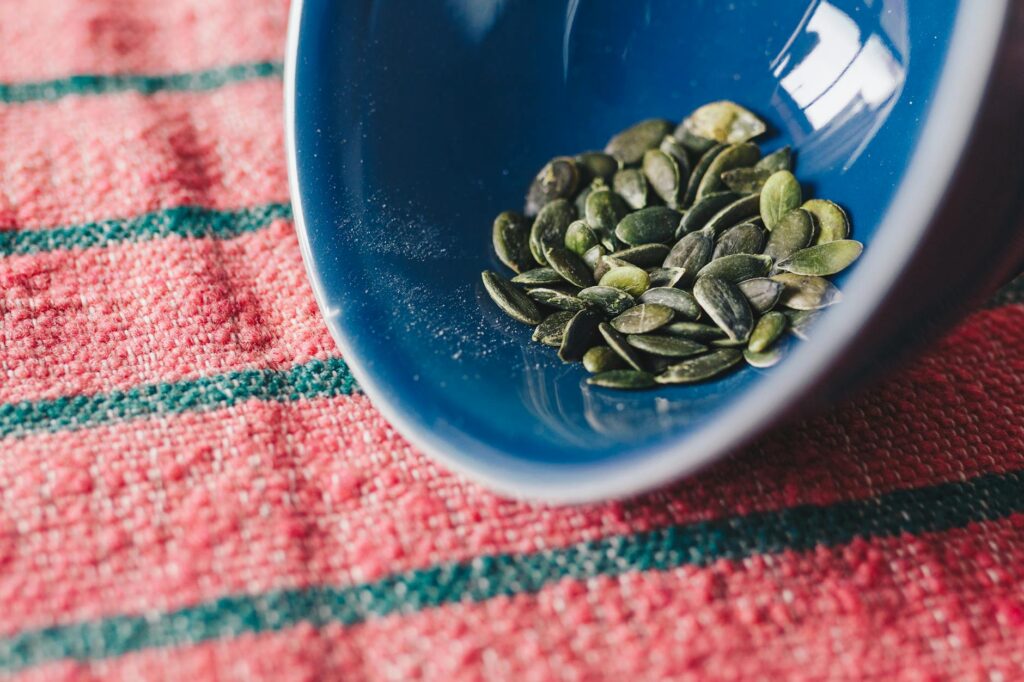
Cold-pressed pumpkin seed oil is a remarkable oil, celebrated not only for its culinary applications but also for its rich nutritional profile and versatile uses in aromatherapy and skincare. Originating from the seeds of the pumpkin, primarily the Cucurbita pepo species, this oil carries a history that intertwines with the agricultural practices and culinary traditions of various cultures. This article delves into the history and origins of cold-pressed pumpkin seed oil, exploring its production methods, benefits, and applications.
What Is Cold-Pressed Pumpkin Seed Oil?
Cold-pressed pumpkin seed oil is extracted from the seeds of the pumpkin using a method that avoids the application of heat. This method preserves the oil’s natural nutrients, flavors, and aromas, making it a sought-after product in both culinary and wellness circles. The oil is typically dark green or deep amber and has a nutty, rich flavor profile.
Production Process
The cold-pressing process involves mechanically pressing the seeds to extract the oil without the use of chemicals or heat. This method maintains the integrity of the oil’s beneficial properties, including essential fatty acids, vitamins, and antioxidants. The seeds are harvested, cleaned, and then crushed to release the oil, which is subsequently filtered and bottled for use.
Key Benefits and Properties
Cold-pressed pumpkin seed oil is lauded for its wide array of health benefits and nutritional properties. Here are some of its key features:
Nutrient-Rich Composition
1. Fatty Acids: The oil is rich in unsaturated fatty acids, particularly omega-6 and omega-3 fatty acids, which are essential for maintaining heart health.
2. Vitamins and Minerals: It contains significant amounts of vitamins, especially vitamin E, which is known for its antioxidant properties. Additionally, it is a source of minerals like magnesium, zinc, and iron.
3. Antioxidants: The oil is packed with antioxidants that help combat oxidative stress in the body.
Potential Health Benefits
While not intended to replace medical advice, cold-pressed pumpkin seed oil is associated with several potential benefits:
- Heart Health: The beneficial fatty acids in the oil can contribute to cardiovascular health by improving cholesterol levels.
- Skin Health: Its moisturizing properties make it a popular ingredient in skincare products, potentially aiding in skin elasticity and hydration.
- Prostate Health: Some studies suggest that pumpkin seed oil may support prostate health, particularly in older men.
- Lavender: Known for its calming properties, lavender essential oil complements the nurturing qualities of pumpkin seed oil.
- Frankincense: This oil offers grounding benefits and enhances the overall aromatic experience.
- Cedarwood: The warm, woody scent of cedarwood can create a soothing environment when combined with pumpkin seed oil.
- Allergies: Individuals with allergies to pumpkin or other members of the Cucurbitaceae family should avoid using this oil.
- Skin Sensitivity: Conduct a patch test before using the oil topically to check for any skin reactions.
- Quality of Oil: Ensure that the oil is sourced from reputable suppliers to guarantee its purity and quality.
- Storage Conditions: Keep the oil in a cool, dark place, away from direct sunlight and heat sources. Exposure to light and heat can degrade the oil’s quality and reduce its beneficial properties.
- Container: Store the oil in a dark glass bottle, which can help protect it from light exposure.
- Shelf Life: Generally, cold-pressed pumpkin seed oil has a shelf life of 6 to 12 months when stored correctly. Always check for any off odors or changes in appearance before use.
Common Uses
Cold-pressed pumpkin seed oil has a variety of uses across multiple domains, including culinary, cosmetic, and therapeutic applications.
Culinary Uses
In culinary contexts, cold-pressed pumpkin seed oil is often used as a finishing oil due to its unique flavor. It can be drizzled over salads, used as a dip for bread, or incorporated into sauces. The oil is particularly popular in Central European cuisine, especially in regions like Styria, Austria, where it has been traditionally produced and consumed.
Cosmetic Uses
The oil’s nourishing properties make it a favored ingredient in skincare formulations. It is commonly included in lotions, creams, and hair products, providing hydration and nutrition to both skin and hair. Its rich fatty acid profile can help maintain skin barrier function and improve overall skin appearance.
Aromatherapy Applications
In aromatherapy, cold-pressed pumpkin seed oil can be used as a carrier oil for essential oils. Its warm, nutty aroma provides a grounding effect, making it suitable for calming and relaxing blends. When combined with essential oils, it can enhance the therapeutic benefits of the aromatic experience, promoting a sense of well-being.
Blending with Essential Oils
Cold-pressed pumpkin seed oil pairs well with a variety of essential oils, including:
Safety Considerations
While cold-pressed pumpkin seed oil is generally considered safe for most individuals, it is essential to note a few safety considerations:
Storage and Shelf Life
To maintain the quality and longevity of cold-pressed pumpkin seed oil, proper storage is crucial. Here are some tips:
Frequently Asked Questions
1. Can cold-pressed pumpkin seed oil be used for cooking?
Yes, cold-pressed pumpkin seed oil can be used in cooking, but it is best suited for low-heat applications, such as salad dressings or as a finishing oil. High heat can degrade its flavor and nutritional properties.
2. Is cold-pressed pumpkin seed oil safe for all skin types?
While many find it beneficial for skin health, those with allergies to pumpkin or sensitive skin should perform a patch test before extensive use.
3. How can I incorporate cold-pressed pumpkin seed oil into my diet?
You can incorporate it into your diet by using it in salad dressings, drizzling it over cooked vegetables, or adding it to dips and sauces for enhanced flavor.
4. What is the difference between cold-pressed and refined pumpkin seed oil?
Cold-pressed oil is extracted without heat and retains its natural nutrients, while refined oil undergoes processing that can strip away some beneficial properties.
5. Can I use cold-pressed pumpkin seed oil in aromatherapy?
Yes, it can be used as a carrier oil in aromatherapy, blending well with various essential oils to enhance therapeutic benefits.
Conclusion
Cold-pressed pumpkin seed oil is a versatile and nutrient-rich oil with a history deeply rooted in various culinary traditions. Its benefits extend beyond the kitchen to skincare and aromatherapy, making it a valuable addition to any wellness regimen. As interest in natural products continues to grow, understanding the origins and applications of cold-pressed pumpkin seed oil can enrich one’s appreciation for this remarkable oil. Whether used in cooking, skincare, or aromatherapy, the oil embodies a blend of tradition and modernity, making it a cherished ingredient in many households.