
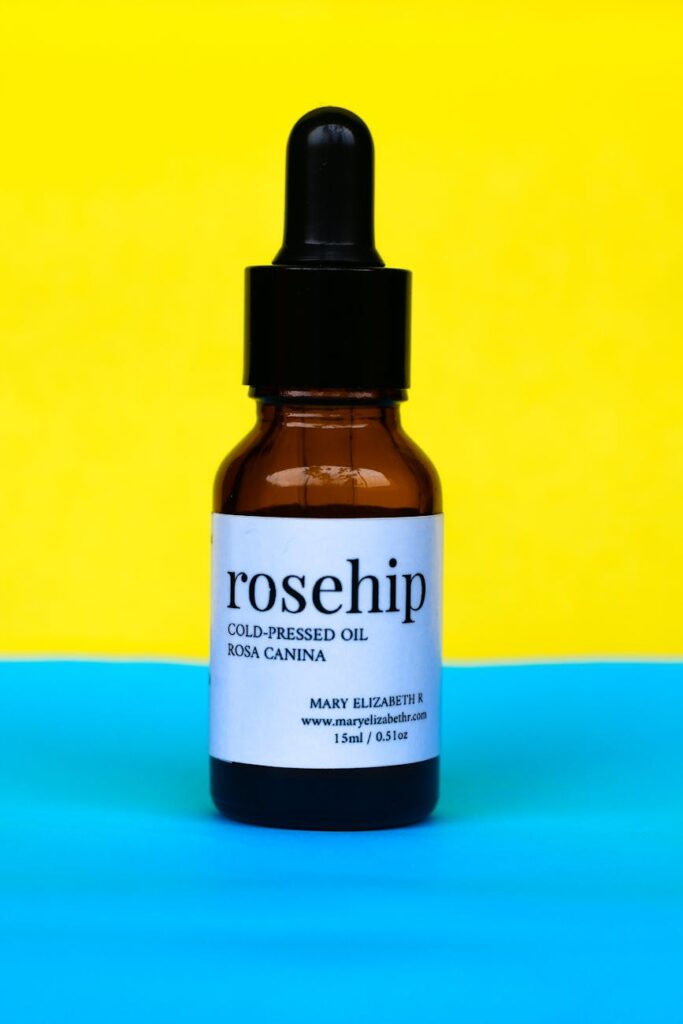
History and Origins of Cold-Pressed Rosehip Oil
Introduction
Cold-pressed rosehip oil has gained significant popularity in recent years, particularly in the fields of skincare and natural health. This oil is derived from the seeds and fruit of the wild rose plant, specifically Rosa canina, which is native to Europe, particularly the mountainous regions of Chile and Argentina. Known for its rich nutrient profile, rosehip oil has a long-standing history of use in various cultures, celebrated for its many benefits. In this article, we will explore the historical context, extraction methods, benefits, uses, and safety considerations associated with cold-pressed rosehip oil.
What Is Cold-Pressed Rosehip Oil?
Cold-pressed rosehip oil is extracted from the seeds and fleshy fruit, or hips, of the rose plant. The cold-pressing method involves mechanically pressing the seeds without the application of heat, ensuring that the oil retains its beneficial properties, including vitamins, fatty acids, and antioxidants. This method preserves the oil’s natural aroma, color, and nutrients, making it a preferred choice for cosmetic and therapeutic applications.
The oil itself is a deep orange to reddish color, with a slightly nutty aroma. It is rich in essential fatty acids, particularly linoleic acid (omega-6) and alpha-linolenic acid (omega-3), as well as vitamins A, C, and E. These components contribute to its reputation as a powerful skincare oil.
Key Benefits and Properties
Cold-pressed rosehip oil is renowned for its diverse array of benefits, which primarily stem from its nutrient-rich composition:
1. Moisturizing: The oil is an excellent emollient, helping to hydrate and soften the skin. Its fatty acids assist in restoring the skin’s natural barrier.
2. Anti-Aging: Rosehip oil is rich in antioxidants, which combat oxidative stress and may help reduce the appearance of fine lines and wrinkles. Vitamin A, a component of the oil, is known for its skin-renewing properties.
3. Scar and Stretch Mark Reduction: Some studies suggest that rosehip oil can help improve the appearance of scars and stretch marks due to its regenerative properties.
4. Skin Tone Evenness: The oil is believed to assist in evening out skin tone and diminishing hyperpigmentation thanks to its high vitamin C content.
5. Anti-Inflammatory: The oil’s anti-inflammatory properties may help soothe irritated or inflamed skin, making it suitable for conditions such as eczema and rosacea.
Common Uses
Cold-pressed rosehip oil is versatile and can be utilized in various applications:
1. Skincare: As a facial oil, it can be used alone or blended with other oils. Its lightweight texture makes it suitable for all skin types, including oily and acne-prone skin.
2. Hair Care: The oil can be applied to hair and scalp to provide moisture, reduce frizz, and enhance shine.
3. Massage Oil: When blended with carrier oils, rosehip oil can be used for therapeutic massage, taking advantage of its soothing properties.
4. Cosmetics: It is often included in lotions, creams, serums, and other cosmetic formulations due to its beneficial attributes.
5. DIY Recipes: Rosehip oil is a popular ingredient in homemade skincare products, such as masks and scrubs.
Aromatherapy Applications
In aromatherapy, cold-pressed rosehip oil is not typically used for its aromatic properties but rather for its therapeutic benefits when combined with essential oils. While it does not possess a strong scent itself, its nourishing properties make it an excellent carrier oil for essential oils, enhancing their absorption and effectiveness when applied to the skin.
Common essential oils that pair well with rosehip oil for aromatherapy applications include:
1. Lavender: Known for its calming effects, lavender can enhance the soothing properties of rosehip oil.
2. Frankincense: This oil is celebrated for its anti-aging benefits and can complement rosehip oil in skincare formulations.
3. Tea Tree: When blended for acne-prone skin, tea tree oil’s antibacterial properties work synergistically with rosehip oil’s moisturizing benefits.
4. Geranium: This essential oil can help balance oil production and improve skin tone when mixed with rosehip oil.
Safety Considerations
Cold-pressed rosehip oil is generally considered safe for topical use; however, some precautions should be observed:
1. Patch Test: Before applying rosehip oil to larger areas of the skin, it is advisable to conduct a patch test. This can help identify any potential allergic reactions.
2. Sensitivity: Individuals with sensitive skin should approach the use of rosehip oil cautiously, as reactions can vary based on skin type.
3. Pregnancy and Nursing: While rosehip oil is often deemed safe during pregnancy and nursing, it is always best to consult with a healthcare professional before use.
4. Storage: Proper storage is critical to maintaining the oil’s quality. It should be kept in a cool, dark place away from direct sunlight.
Storage and Shelf Life
The shelf life of cold-pressed rosehip oil typically ranges from 6 to 12 months, depending on the storage conditions. To ensure longevity, consider the following tips:
1. Container: Store the oil in a dark glass container to minimize exposure to light, which can degrade its quality.
2. Temperature: Keep the oil in a cool environment, ideally below room temperature, to prevent oxidation.
3. Refrigeration: For extended shelf life, refrigeration can be beneficial, although it may slightly alter the oil’s texture.
4. Check for Rancidity: Regularly check the oil for any off-smells or changes in color, which may indicate rancidity.
Frequently Asked Questions
1. Can cold-pressed rosehip oil be used on all skin types?
Yes, cold-pressed rosehip oil is suitable for all skin types, including oily and sensitive skin. Its lightweight texture allows for easy absorption without clogging pores.
2. How often should I apply rosehip oil to see results?
While results may vary, consistent daily use of rosehip oil can lead to noticeable improvements in skin texture and appearance over a few weeks.
3. Is cold-pressed rosehip oil suitable for acne-prone skin?
Yes, rosehip oil is non-comedogenic and can help balance oil production while providing hydration, making it suitable for acne-prone skin.
4. Can I mix rosehip oil with other oils?
Absolutely! Rosehip oil works well with various carrier oils and essential oils, enhancing their benefits when blended.
5. Where can I purchase high-quality cold-pressed rosehip oil?
High-quality rosehip oil can be found in health food stores, specialty cosmetic shops, and online retailers. Always look for cold-pressed, organic options for the best quality.
Conclusion
Cold-pressed rosehip oil boasts a rich history and a multitude of benefits, making it a staple in both skincare and aromatherapy. Its origins in the wild rose plant reflect a long-standing tradition of natural healing and beauty. As its popularity continues to rise, understanding its properties, uses, and safety considerations can help individuals make informed decisions about incorporating this versatile oil into their daily routines. Whether used alone, in a blend, or as part of a DIY skincare regimen, cold-pressed rosehip oil offers a wealth of nourishing benefits that resonate with holistic wellness.