
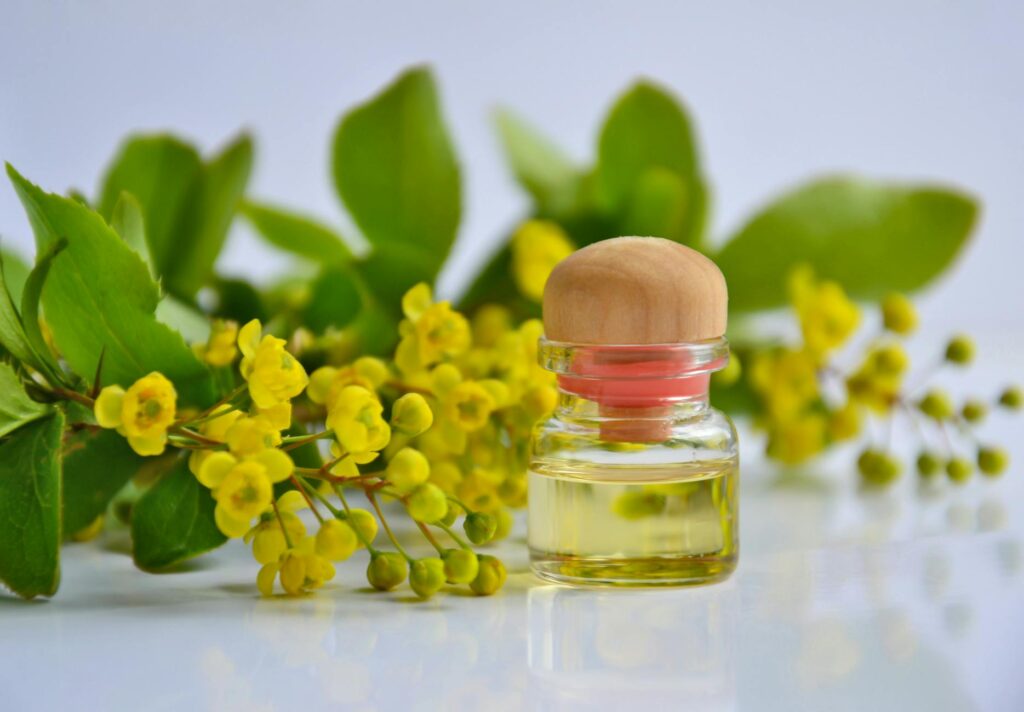
History and Origins of Copaiba Oil
Introduction
Copaiba oil, derived from the resin of the Copaifera tree, has been utilized for centuries across various cultures, primarily in South America. This essential oil, known for its unique aromatic profile and therapeutic properties, has garnered increasing attention in modern wellness practices. This article explores the history, origins, and multifaceted uses of copaiba oil, providing a comprehensive overview of its significance in both traditional and contemporary contexts.
What Is Copaiba Oil?
Copaiba oil is extracted from the resin of the Copaifera tree, predominantly found in the Amazon rainforest and other tropical regions. There are several species of the Copaifera tree, including Copaifera langsdorffii, Copaifera officinalis, and Copaifera multijuga. The oil is obtained through a process called steam distillation, which captures the fragrant compounds while preserving the oil’s therapeutic properties.
The oil is characterized by its warm, woody, and slightly sweet aroma. Copaiba oil is often described as a base note in aromatherapy blends, providing depth and grounding qualities. Its chemical composition includes a variety of sesquiterpenes, which contribute to its distinctive scent and potential therapeutic effects.
Key Benefits and Properties
Copaiba oil is celebrated for its diverse range of beneficial properties. While it is essential to approach these claims with caution, historical and anecdotal evidence highlights several key attributes:
- Anti-inflammatory: Copaiba oil has been traditionally used by indigenous tribes for its potential anti-inflammatory effects. Some studies suggest that the oil may help to reduce inflammation in various bodily systems.
- Antimicrobial: The oil is thought to possess antimicrobial properties, making it a popular choice for natural cleaning products and skin care formulations.
- Analgesic: Copaiba oil has been associated with pain relief, particularly in cases of minor aches and discomfort.
- Calming and Grounding: The oil’s aromatic profile is often linked to promoting relaxation and emotional balance, making it a favored choice in aromatherapy.
- Traditional Medicine: Indigenous peoples of the Amazon have utilized copaiba resin for centuries as a remedy for various ailments, including respiratory issues, skin conditions, and digestive problems.
- Cosmetics: The oil is increasingly found in skincare products due to its soothing properties. It is often used in formulations targeting acne, scars, and other skin imperfections.
- Perfumery: With its rich and complex scent, copaiba oil is also used in perfumery, adding depth to fragrance blends.
- Household Products: Thanks to its antimicrobial properties, copaiba oil is sometimes included in natural cleaning products.
- Diffusion: Adding a few drops of copaiba oil to a diffuser can help create a calming atmosphere, making it an excellent choice for meditation or relaxation spaces.
- Topical Application: When diluted with a carrier oil, copaiba oil can be applied to the skin to promote a sense of grounding and emotional balance.
- Bathing: Incorporating copaiba oil into a warm bath can provide a soothing and aromatic experience, enhancing relaxation and stress relief.
- Massage: Blending copaiba oil with massage oils can offer both aromatic and physical benefits during massage therapy sessions.
- Dilution: Essential oils are potent substances, and it is advisable to dilute copaiba oil with a carrier oil before topical application to minimize the risk of skin irritation.
- Patch Test: Individuals should conduct a patch test prior to extensive use, especially if they have sensitive skin.
- Pregnancy and Nursing: Pregnant or nursing individuals should consult with a healthcare professional before using copaiba oil.
- Allergies: Those with known allergies to Copaifera species or related plants should avoid using copaiba oil.
- Store in a Cool, Dark Place: Essential oils should be kept away from direct sunlight and heat to prevent degradation.
- Use Dark Glass Containers: Amber or cobalt blue glass bottles are ideal for storing essential oils, as they help protect the oil from light exposure.
- Seal Tightly: Ensure that the bottle is tightly sealed to limit exposure to air, which can alter the oil’s properties over time.
Common Uses
Copaiba oil has been employed for a variety of purposes throughout history:
Aromatherapy Applications
Aromatherapy is the practice of using essential oils to enhance physical and emotional well-being. Copaiba oil can be integrated into various aromatherapy practices:
Safety Considerations
While copaiba oil is generally regarded as safe for most individuals, certain precautions should be observed:
As with any essential oil, it is essential to source copaiba oil from reputable suppliers to ensure quality and purity.
Storage and Shelf Life
Proper storage is crucial for maintaining the quality of copaiba oil. To prolong its shelf life:
When stored correctly, copaiba oil can last for several years. However, it is advisable to periodically check the oil for any changes in aroma, color, or consistency, as these may indicate spoilage.
Frequently Asked Questions
1. How is copaiba oil different from CBD oil?
Copaiba oil is derived from the resin of the Copaifera tree, while CBD oil is extracted from the Cannabis sativa plant. Both oils are used for their potential therapeutic benefits, but they contain different compounds and have distinct properties.
2. Can copaiba oil be ingested?
While some individuals choose to ingest copaiba oil, it is essential to consult with a healthcare professional before doing so. Ingestion of essential oils should be approached with caution and should only be done under guidance.
3. Is copaiba oil safe for children?
Copaiba oil can be used with children, but it is advisable to consult with a healthcare provider to determine appropriate usage and dilution ratios based on age and individual sensitivity.
4. What are the best ways to use copaiba oil?
Copaiba oil can be used in a variety of ways, including diffusion, topical application when diluted, adding to bath water, or incorporating into massage oils. The choice depends on personal preference and desired outcomes.
5. Where can I purchase high-quality copaiba oil?
Copaiba oil can be found in health stores, specialty shops, and online retailers. It is crucial to seek out reputable brands that provide information regarding sourcing, extraction methods, and purity testing.
Conclusion
Copaiba oil, with its rich history and versatile applications, continues to play a significant role in both traditional and modern wellness practices. Its unique properties make it a valuable addition to the realm of essential oils, appealing to those seeking natural alternatives for emotional and physical well-being. By understanding its origins, benefits, and safe usage, individuals can appreciate copaiba oil’s place in holistic health and aromatherapy.