
History and Origins of Culinary Herbs
Introduction
Culinary herbs have been an integral part of human civilization for thousands of years, enriching our diets and enhancing our culinary experiences. These plants are not only prized for their flavor and aroma but also for their versatility in cooking and their cultural significance across different regions. This article explores the history and origins of culinary herbs, tracing their journey from ancient civilizations to the modern kitchen.
What Are Culinary Herbs?
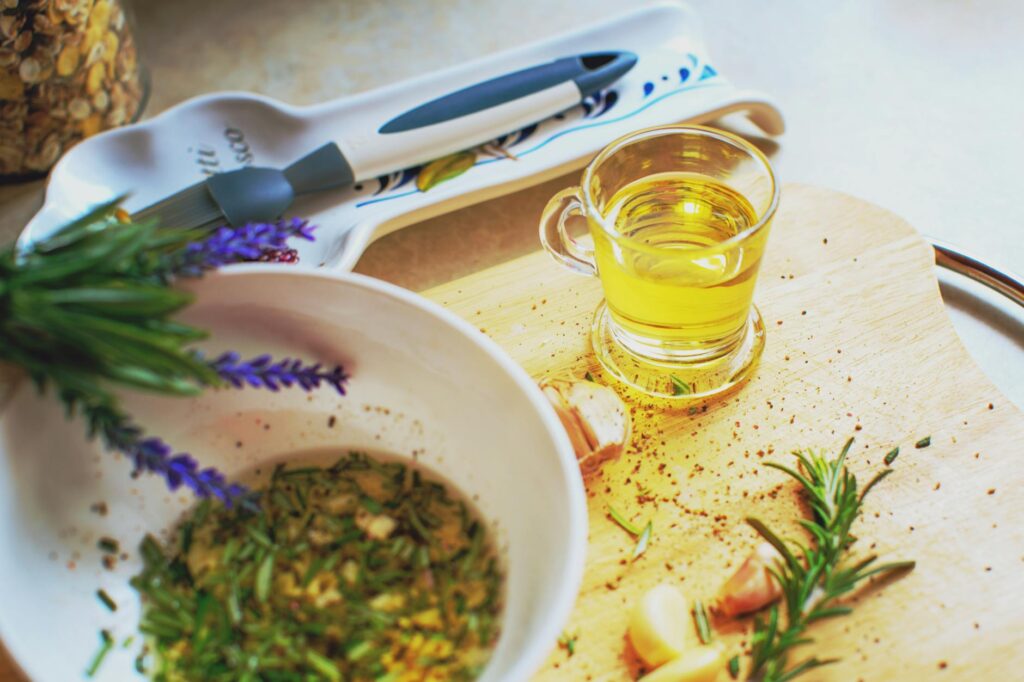
Culinary herbs are defined as the leaves, stems, or flowers of certain plants that are used in cooking to add flavor, aroma, and color to dishes. Unlike spices, which typically come from seeds, roots, or bark, culinary herbs are primarily derived from the green parts of plants. Common examples include basil, thyme, oregano, rosemary, and cilantro. These herbs can be used fresh or dried and are often categorized by their flavor profiles, ranging from mild and sweet to robust and pungent.
Key Benefits and Properties
Culinary herbs are celebrated not only for their ability to enhance flavors but also for their potential health benefits. Many of these herbs contain essential oils, antioxidants, and vitamins. Here are some key benefits and properties:
1. Flavor Enhancement: Culinary herbs can transform simple dishes into gourmet meals. Their unique flavors can complement various ingredients, balancing sweetness, saltiness, and acidity.
2. Nutritional Value: Many herbs are rich in vitamins A, C, and K, as well as essential minerals. For example, parsley is a good source of vitamin K, while basil provides a significant amount of vitamin A.
3. Antioxidant Properties: Herbs like oregano and thyme are known for their high levels of antioxidants, which help combat oxidative stress in the body.
4. Digestive Aid: Certain herbs, such as peppermint and ginger, have been traditionally used to support digestive health.
5. Cultural Significance: Culinary herbs often carry cultural meanings and traditions. For example, cilantro is a staple in Mexican cuisine, while dill is often associated with Eastern European dishes.
Common Uses
Culinary herbs are utilized in a wide range of culinary applications, including:
1. Seasoning: Fresh or dried herbs are commonly used to season meats, vegetables, and sauces. They can be added during cooking or as a garnish before serving.
2. Infusions: Herbs can be used to infuse oils, vinegars, and broths, imparting their flavors into these mediums.
3. Marinades: Many herbs are used in marinades to enhance the flavor of meats and vegetables before cooking.
4. Salads and Dressings: Fresh herbs can brighten salads and dressings, adding freshness and complexity.
5. Baking: Some culinary herbs, like rosemary and sage, can be incorporated into baked goods for a unique flavor twist.
Aromatherapy Applications
While culinary herbs are primarily known for their use in cooking, many also play a significant role in aromatherapy. The essential oils extracted from these herbs can promote emotional well-being and relaxation. Here are a few examples:
1. Basil: Often used in aromatherapy to relieve stress and anxiety, basil essential oil can aid in mental clarity.
2. Rosemary: Known for its stimulating properties, rosemary essential oil is often used to enhance concentration and memory.
3. Thyme: This herb’s essential oil is believed to have purifying properties, making it a popular choice in diffusers to promote a refreshing atmosphere.
4. Lavender: While primarily a culinary herb, lavender is celebrated for its calming scent, making it a staple in aromatherapy practices.
Safety Considerations
While culinary herbs are generally safe for consumption, there are important safety considerations to keep in mind:
1. Allergies: Some individuals may have allergies to specific herbs. It is advisable to introduce new herbs gradually and monitor for any adverse reactions.
2. Pregnancy and Nursing: Certain herbs may not be suitable for pregnant or nursing women. Consulting with a healthcare professional is recommended before consuming unfamiliar herbs.
3. Interactions: Some culinary herbs may interact with medications. For example, garlic can affect blood-thinning medications. It is essential to be aware of such interactions and consult healthcare providers when needed.
4. Quality and Source: Always source culinary herbs from reputable suppliers to avoid contamination with pesticides or other harmful substances.
Storage and Shelf Life
Proper storage is essential to maintain the flavor and potency of culinary herbs. Here are some guidelines:
1. Fresh Herbs: Store fresh herbs in the refrigerator. You can keep them in a glass of water (like cut flowers) or wrap them in a damp paper towel and place them in a plastic bag. Most fresh herbs last about one week.
2. Dried Herbs: Keep dried herbs in airtight containers away from direct sunlight, heat, and moisture. When stored correctly, dried herbs can last for up to one to three years, though their potency may diminish over time.
3. Freezing: Fresh herbs can be frozen for long-term storage. Chop them and place them in ice cube trays filled with water or oil. Once frozen, transfer the cubes to a freezer bag.
Frequently Asked Questions
1. Can I use dried herbs instead of fresh herbs in recipes?
Yes, dried herbs can be used in place of fresh herbs, but the flavor intensity may differ. A general rule of thumb is to use one-third the amount of dried herbs as you would fresh, as dried herbs are more concentrated.
2. Are all culinary herbs safe to consume?
Most culinary herbs are safe when used in moderation. However, some herbs may have contraindications or may not be suitable for certain populations. It is important to do your research or consult a professional when unsure.
3. How can I grow my own culinary herbs?
Growing culinary herbs is relatively easy and can be done indoors or in a garden. Most herbs require well-drained soil, plenty of sunlight, and regular watering. Popular herbs for home gardening include basil, parsley, and chives.
4. Can culinary herbs lose their flavor?
Yes, culinary herbs can lose their flavor over time, especially if not stored properly. Dried herbs tend to lose potency faster than fresh herbs. It is advisable to replace dried herbs every one to three years for optimal flavor.
5. What is the difference between culinary herbs and spices?
Culinary herbs are primarily the green parts of plants used for flavoring, while spices come from other parts of the plant, such as seeds, roots, or bark. Both play important roles in cooking and can be complementary to one another.
Conclusion
The history and origins of culinary herbs are deeply intertwined with the development of human culture and cuisine. These versatile plants have traveled the world, adapting to various climates and culinary traditions. As we continue to explore and utilize culinary herbs, their rich flavors and potential benefits remind us of our connection to nature and the culinary arts. Whether in a garden, a kitchen, or an aromatherapy session, culinary herbs remain a cherished aspect of our lives.