
History and Origins of Diffuser Blends
Introduction
The realm of essential oils and aromatherapy is steeped in rich history, with roots that trace back to ancient civilizations. This article delves into the origins and evolution of diffuser blends, exploring how these aromatic mixtures of essential oils have developed over time and their significance in various cultures. We will also examine the properties, common uses, and safety considerations surrounding these blends, providing a comprehensive understanding of their role in contemporary wellness practices.
What Is Diffuser Blends?
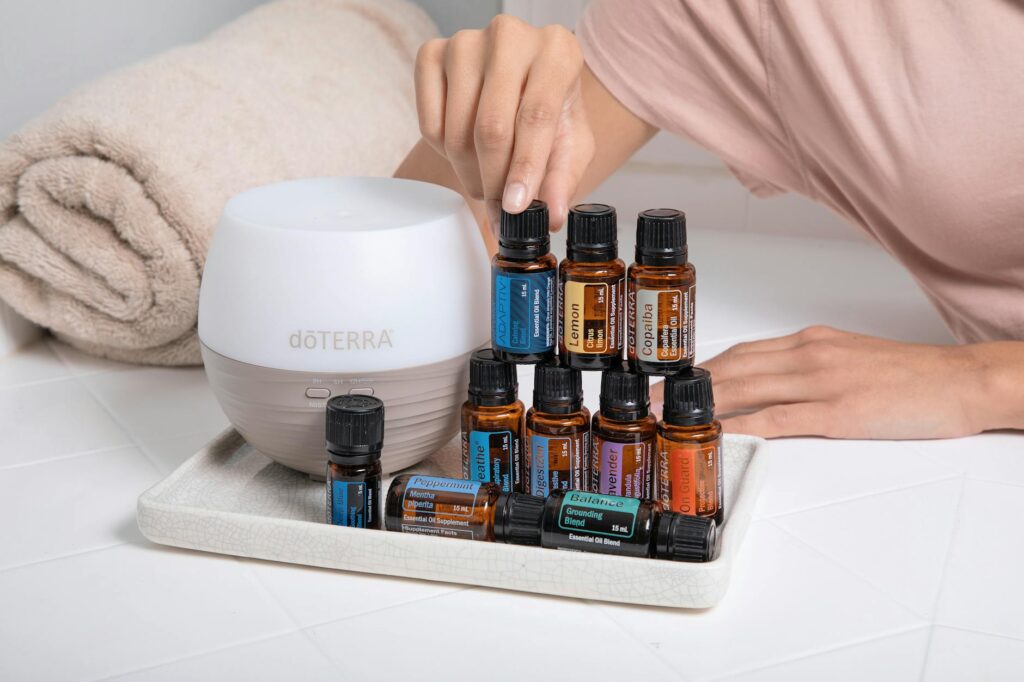
Diffuser blends are carefully crafted mixtures of essential oils designed to be used in diffusers—devices that disperse the aromatic compounds into the air. These blends not only provide pleasant scents but are also believed to enhance mood, promote relaxation, and create a welcoming atmosphere. The composition of a diffuser blend can vary significantly, often combining various essential oils to achieve a desired effect, whether that be energizing, calming, or purifying.
Composition of Diffuser Blends
Typically, diffuser blends comprise a combination of top, middle, and base notes, mirroring the structure of fragrance in perfumery. Top notes are often light and uplifting, middle notes provide body and balance, and base notes lend depth and longevity. This harmonious arrangement allows for a complex scent profile that can be tailored to individual preferences or specific purposes.
Key Benefits and Properties
The blending of essential oils into diffuser mixtures harnesses the unique properties of each oil. While the benefits may vary depending on the specific oils used, some common attributes include:
1. Mood Enhancement: Certain essential oils, such as citrus oils, are known for their uplifting properties, while others, like lavender, are recognized for their calming effects.
2. Air Purification: Oils like tea tree and eucalyptus possess antimicrobial properties, making them popular choices for purifying the air.
3. Stress Relief: Blends featuring oils such as bergamot and chamomile are often employed for their stress-reducing capabilities.
4. Improved Sleep: Many individuals turn to diffuser blends that include calming oils, such as sandalwood and frankincense, to promote restful sleep.
5. Enhanced Focus: Oils like peppermint and rosemary are frequently incorporated into blends aimed at improving concentration and mental clarity.
Common Uses
Diffuser blends are versatile and can be utilized in various settings, including:
- Home Environment: Enhancing the ambiance of living spaces, creating a welcoming atmosphere for guests, or simply enjoying personal comfort.
- Workspaces: Boosting productivity and focus in offices or study areas by using invigorating blends.
- Meditation and Yoga: Supporting spiritual practices by creating an environment conducive to mindfulness and relaxation.
- Therapeutic Sessions: Used in massage therapy or holistic treatments to enhance the overall experience.
- Special Occasions: Aromas can be tailored to suit events, from calming scents for weddings to invigorating fragrances for parties.
- Emotional Support: Many individuals utilize diffuser blends to manage emotions, such as anxiety or sadness, by promoting a calming or uplifting environment.
- Physical Well-being: While not intended as a substitute for medical treatment, some users believe that certain aromas can alleviate minor discomforts or enhance feelings of wellness.
- Seasonal Support: During specific times of the year, such as cold and flu season, certain blends are favored for their perceived immune-supporting properties.
- Enhancing Rituals: Diffuser blends are often incorporated into rituals, such as cleansing spaces or setting intentions.
- Storage Conditions: Essential oils should be kept in a cool, dark place, away from direct sunlight and heat sources. This helps preserve their aromatic profiles and therapeutic properties.
- Containers: Use dark glass bottles to protect oils from light, which can degrade their quality over time. Ensure that containers are tightly sealed to prevent evaporation.
- Shelf Life: The shelf life of essential oils can vary based on the type of oil and storage conditions. Generally, most oils can last from 1 to 5 years, while blends may have a shorter shelf life due to the interaction of different oils.
Aromatherapy Applications
Aromatherapy, the practice of using essential oils for therapeutic benefits, is closely associated with diffuser blends. The application of these blends can vary widely, encompassing:
Safety Considerations
While diffuser blends can provide enjoyable and beneficial experiences, it is essential to consider safety precautions:
1. Quality of Essential Oils: Always choose high-quality, pure essential oils from reputable sources. Adulterated or synthetic oils may not provide the desired benefits and could pose risks.
2. Dilution: Although diffusers disperse oils into the air, it is still advisable to use oils in moderation, especially around sensitive populations such as children, pets, and pregnant individuals.
3. Allergic Reactions: As with any substance, individuals may have sensitivities or allergies to specific essential oils. Conducting a patch test or checking for reactions is recommended when trying new blends.
4. Ventilation: Ensure proper ventilation when using diffusers, as prolonged exposure to concentrated essential oils can lead to respiratory discomfort.
5. Usage Duration: Limit the duration of diffusion, especially in small or closed spaces, to prevent overwhelming scents.
Storage and Shelf Life
Proper storage is crucial for maintaining the quality and efficacy of diffuser blends:
Frequently Asked Questions
1. Can I create my own diffuser blends?
Yes, creating your own diffuser blends is a popular practice! Experimenting with various essential oils can lead to unique and personalized scents that suit your preferences.
2. How do I determine the right ratio for blending oils?
A common starting ratio is three parts top notes, two parts middle notes, and one part base notes. However, experimentation is key, as personal preferences play a significant role in creating a pleasing blend.
3. Are there specific oils I should avoid in a diffuser?
While many essential oils are safe, some may be irritating or unsuitable for certain populations. Oils like cinnamon and clove can be too potent for diffusion and should be used with caution.
4. How often should I change the water in my diffuser?
It is advisable to change the water in your diffuser after each use to maintain cleanliness and prevent mold growth. Regular cleaning of the diffuser itself is also recommended.
5. Can diffuser blends be used for other purposes?
Yes, while primarily designed for diffusing, many blends can also be used in homemade cleaning products, personal care items, or even in bath rituals, depending on the essential oils used.
Conclusion
The history and origins of diffuser blends are a testament to humanity’s long-standing relationship with nature and the quest for wellbeing through aromatic experiences. As societies have evolved, so too have the methods of utilizing essential oils, leading to the intricate and diverse blends we enjoy today. Understanding their benefits, applications, and safety considerations allows individuals to fully embrace the art of aromatherapy while enhancing their daily lives. Whether for personal enjoyment or therapeutic practices, diffuser blends continue to play a significant role in the modern wellness landscape.