
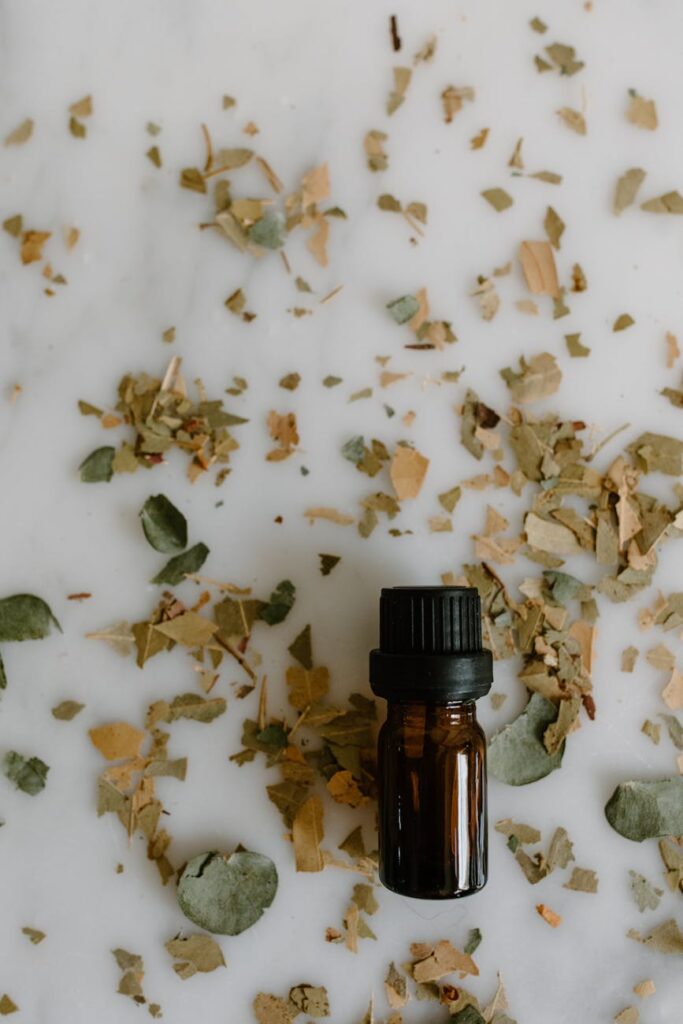
History and Origins of DIY Aromatherapy Recipes for Balancing Hormones with Essential Oils
Introduction
Aromatherapy, the practice of using essential oils for therapeutic benefits, has deep historical roots that date back thousands of years. With its origins in ancient civilizations such as Egypt, China, and India, this holistic approach has evolved into a popular natural remedy in contemporary wellness practices. Among its various applications, one of the most sought-after benefits is the balancing of hormones. The rise of DIY aromatherapy recipes has empowered individuals to create personalized blends at home, enhancing both physical and emotional well-being. This article explores the history and origins of these recipes, along with their properties, uses, and best practices.
What Is DIY Aromatherapy Recipes for Balancing Hormones with Essential Oils?
DIY aromatherapy recipes for balancing hormones involve the careful selection and combination of essential oils known for their hormone-regulating properties. These recipes typically utilize natural plant extracts to create synergistic blends that can help address hormonal fluctuations associated with menstrual cycles, menopause, and other life stages.
Essential oils are concentrated plant extracts obtained through processes such as steam distillation or cold pressing. Each oil carries unique properties, which can support various aspects of hormonal health and emotional balance. By crafting personalized blends at home, individuals can tailor their aromatherapy experience to meet their specific needs and preferences.
Key Benefits and Properties
The potential benefits of using essential oils for hormonal balance are numerous. Here are some key properties associated with commonly used oils:
- Lavender (Lavandula angustifolia): Known for its calming effects, lavender may help reduce stress, anxiety, and promote restful sleep, all of which can positively impact hormonal balance.
- Clary Sage (Salvia sclarea): This oil is often used to alleviate menstrual discomfort and symptoms associated with menopause. Its phytoestrogenic properties may support estrogen balance in the body.
- Geranium (Pelargonium graveolens): Geranium oil is believed to help regulate hormonal imbalances and support emotional well-being, making it a popular choice for those experiencing mood swings.
- Ylang Ylang (Cananga odorata): This sweet-scented oil is known for its ability to uplift mood and reduce feelings of anxiety, potentially alleviating stress-related hormonal issues.
- Frankincense (Boswellia carterii): Often associated with spiritual practices, frankincense may also support emotional balance and has been studied for its potential effects on hormonal health.
- Peppermint (Mentha piperita): Renowned for its invigorating aroma, peppermint can help alleviate headaches and improve energy levels, which may be beneficial during hormonal fluctuations.
- Stress Relief: Blends containing calming oils like lavender and bergamot can help mitigate the effects of stress on hormonal balance.
- Menstrual Support: Recipes featuring clary sage and geranium may provide relief from menstrual discomfort and emotional fluctuations.
- Menopause Symptom Relief: Essential oils can help address symptoms such as hot flashes and mood swings associated with menopause.
- General Emotional Balance: Uplifting blends can enhance mood and emotional stability, helping to counteract hormonal imbalances.
- Sleep Support: Calming oils can be used in bedtime routines to promote restful sleep, crucial for hormonal regulation.
- Dilution: Essential oils are highly concentrated and should always be diluted in a carrier oil before topical application to prevent skin irritation.
- Allergies and Sensitivities: Conduct a patch test before using a new oil to check for allergic reactions. If any irritation occurs, discontinue use immediately.
- Pregnancy and Nursing: Certain essential oils may be contraindicated during pregnancy or nursing. It is advisable to consult with a healthcare professional before using essential oils during these times.
- Children and Pets: Some essential oils can be harmful to children and pets. Always research oils and consult guidelines before using them in households with these vulnerable populations.
- Quality of Oils: The quality of essential oils can vary significantly. Always opt for high-quality, pure, and organic oils from reputable sources to ensure safety and efficacy.
- Dark Glass Bottles: Essential oils should be stored in dark glass containers to protect them from light, which can degrade the oil.
- Cool, Dry Place: Store oils away from direct sunlight and heat sources to prevent oxidation and deterioration.
- Tightly Sealed: Ensure that bottles are tightly sealed to reduce exposure to air, which can also impact the oil’s quality.
- Shelf Life: While the shelf life of essential oils varies, most oils can last anywhere from 1-5 years, depending on the type and storage conditions. Citrus oils tend to have shorter shelf lives, while others, like sandalwood and patchouli, may improve with age.
Common Uses
DIY aromatherapy recipes for balancing hormones can be employed in various settings and situations, including:
Aromatherapy Applications
There are multiple methods to apply DIY aromatherapy recipes for hormonal balance, each offering distinct experiences:
1. Diffusion: Using an essential oil diffuser allows the aroma to permeate the air, creating a calming environment that promotes relaxation and well-being.
2. Topical Application: Essential oils can be diluted with carrier oils (such as coconut or jojoba oil) and applied to pulse points, abdomen, or feet. This method allows for direct absorption into the skin.
3. Bath Soaks: Adding essential oils to bathwater can create a serene experience that aids in relaxation and stress relief.
4. Inhalation: Direct inhalation from an essential oil bottle or a cotton ball can provide immediate support during moments of stress or discomfort.
5. Massage: Incorporating essential oils into massages not only enhances the experience but also promotes relaxation and hormonal balance through skin absorption.
Safety Considerations
While essential oils are generally considered safe when used properly, there are important safety considerations to keep in mind:
Storage and Shelf Life
Proper storage of essential oils is crucial for maintaining their potency and effectiveness. Here are some guidelines:
Frequently Asked Questions
1. Can I blend different essential oils for hormonal balance?
Yes, blending essential oils can enhance their benefits. However, it is essential to research the properties of each oil to ensure they complement one another.
2. How often can I use DIY aromatherapy recipes?
The frequency of use depends on individual needs and preferences. Many people find daily use beneficial, while others may use them as needed. Listen to your body and adjust accordingly.
3. Are there any essential oils I should avoid for hormonal balance?
Certain oils may have contraindications depending on individual health conditions or medications. Oils such as sage and rosemary may not be suitable for everyone. Consulting with a professional is advisable.
4. Can I use essential oils in cooking?
While some essential oils are safe for culinary use, not all oils are suitable for ingestion. Always ensure that the essential oil is food-grade and consult guidelines before using them in food preparation.
5. Are there any scientific studies supporting the use of essential oils for hormonal balance?
While anecdotal evidence is abundant, more scientific research is needed to establish definitive links between essential oils and hormonal balance. It is essential to approach the use of essential oils as a complementary practice rather than a substitute for medical treatment.
Conclusion
The history and origins of DIY aromatherapy recipes for balancing hormones with essential oils reflect a rich tapestry of traditional practices and modern innovation. These natural remedies can empower individuals to take charge of their hormonal health in a safe, personalized manner. As you explore the world of essential oils, remember to prioritize safety, quality, and informed choices. By integrating these practices into your daily routine, you can enhance your overall well-being and emotional balance, contributing to a healthier lifestyle.