
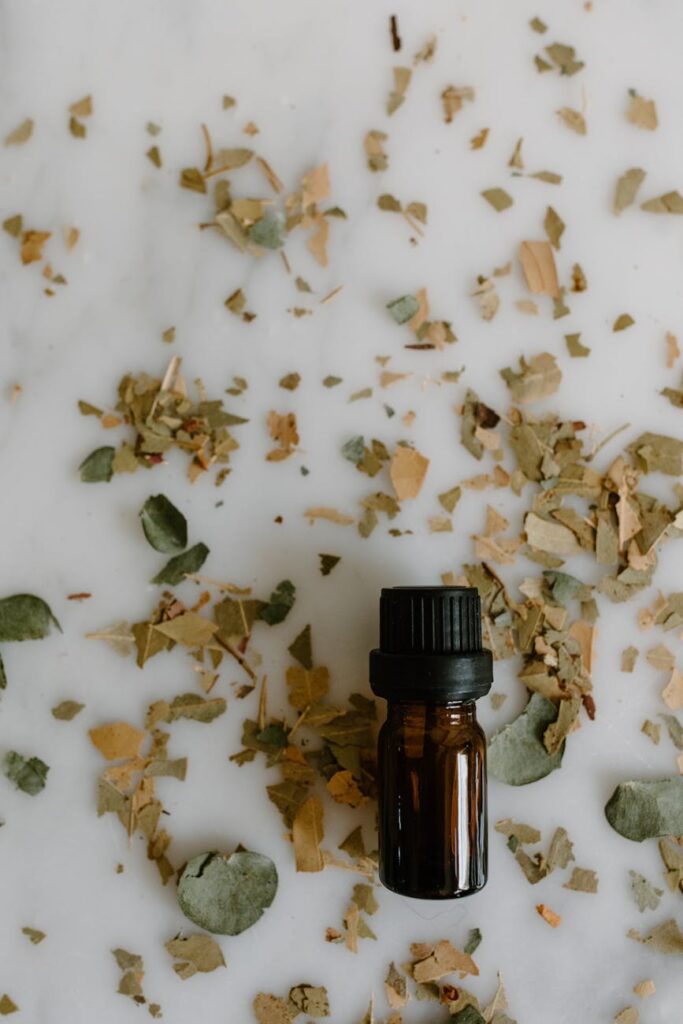
History and Origins of DIY Aromatherapy Recipes for Balancing Mood with Patchouli Oil
Introduction
Aromatherapy, the use of essential oils for therapeutic purposes, has a rich history that spans centuries and cultures. Among the many essential oils available, patchouli oil stands out for its unique fragrance and potential mood-enhancing properties. Derived from the leaves of the Pogostemon cablin plant, patchouli oil has been utilized in various forms of traditional medicine and cultural practices. This article explores the history and origins of DIY aromatherapy recipes for balancing mood with patchouli oil, delving into its benefits, common uses, applications, safety considerations, and storage tips.
What Is DIY Aromatherapy Recipes for Balancing Mood with Patchouli Oil?
DIY aromatherapy recipes are personalized blends of essential oils that individuals can create at home to enhance their emotional well-being. Patchouli oil, with its deep, earthy aroma, is often incorporated into these recipes to promote relaxation, reduce anxiety, and uplift mood. The versatility of patchouli makes it suitable for various applications, from diffusion to topical use.
A DIY approach to aromatherapy allows individuals to tailor their blends according to personal preferences and specific emotional needs. By understanding the properties of patchouli oil and its historical significance, practitioners can create effective recipes that resonate with their unique experiences.
Key Benefits and Properties
Patchouli oil is celebrated for its numerous benefits, particularly in the realm of emotional health. Some of its key properties include:
- Mood Balancing: Patchouli oil is known for its grounding and calming effects. Its rich aroma can evoke feelings of tranquility, aiding in the alleviation of stress and anxiety.
- Antidepressant Qualities: Many users report that patchouli oil can help combat feelings of sadness and enhance overall mood, making it a popular choice in DIY recipes aimed at emotional balance.
- Aphrodisiac Properties: Historically, patchouli has been associated with romance and attraction. Its unique scent is thought to stimulate sensuality and intimacy.
- Anti-inflammatory and Antiseptic: While not directly related to mood, these properties make patchouli oil beneficial in topical applications, enhancing the overall experience of using aromatherapy.
- Diffusion: Adding a few drops of patchouli oil to a diffuser spreads its aroma throughout a room, creating a calming environment conducive to relaxation and emotional balance.
- Topical Application: When diluted with a carrier oil, patchouli oil can be applied to pulse points or massaged into the skin, allowing for localized benefits.
- Bathing: Incorporating patchouli oil into bathwater can create a soothing experience. The warm water combined with the aromatic properties of patchouli promotes relaxation.
- Inhalation: Direct inhalation of patchouli oil, either from the bottle or by placing a few drops on a handkerchief, can provide immediate emotional relief.
- Candles and Potpourri: Patchouli can also be added to homemade candles or potpourri, contributing to a serene atmosphere in living spaces.
- Ingredients: 3 drops patchouli oil, 3 drops lavender oil, 2 drops bergamot oil.
- Method: Combine the oils in a diffuser with water and enjoy the calming aroma that promotes relaxation and emotional balance.
- Ingredients: 5 drops patchouli oil, 5 drops sweet orange oil, 1 cup Epsom salt.
- Method: Mix the oils with Epsom salt and add to warm bath water for a relaxing soak.
- Ingredients: 10 drops patchouli oil, 10 drops frankincense oil, 2 tablespoons carrier oil (such as jojoba).
- Method: Combine the oils in a roller bottle and apply to pulse points when needed for emotional support.
- Ingredients: 5 drops patchouli oil, 5 drops peppermint oil, cotton wick.
- Method: Add the oils to a cotton wick and place it in an inhaler; inhale as needed for immediate stress relief.
- Dilution: Always dilute patchouli oil with a carrier oil before applying it to the skin to prevent irritation.
- Patch Test: Conduct a patch test on a small area of skin before full application to check for allergic reactions.
- Pregnancy and Nursing: Pregnant or nursing individuals should consult with a healthcare provider before using essential oils.
- Storage: Keep patchouli oil and other essential oils out of reach of children and pets.
- Store in a Cool, Dark Place: Essential oils should be kept away from sunlight and heat sources, which can degrade their properties.
- Use Dark Glass Containers: Amber or cobalt blue glass containers help protect the oil from light exposure.
- Check Expiry Dates: While patchouli oil can last for several years if stored correctly, it is advisable to check for any changes in aroma or consistency.
- Shelf Life: Properly stored patchouli oil can last up to five years, but it is best to use it within three years for optimal potency.
Common Uses
Patchouli oil can be used in various ways to support mood balancing. Some common uses include:
Aromatherapy Applications
The applications of patchouli oil in aromatherapy are diverse, and its use in DIY recipes can enhance its effects. Here are some effective ways to utilize patchouli oil for mood balancing:
1. Calming Diffuser Blend
2. Soothing Bath Blend
3. Mood-Enhancing Roll-On
4. Stress-Relief Inhaler
Safety Considerations
While patchouli oil is generally regarded as safe for use, certain precautions should be observed:
Storage and Shelf Life
Proper storage of patchouli oil is essential to maintain its quality and efficacy. To ensure longevity:
Frequently Asked Questions
1. What is the origin of patchouli oil?
Patchouli oil is derived from the leaves of the Pogostemon cablin plant, native to Southeast Asia. It has been used in traditional medicine and cultural practices for centuries.
2. Is patchouli oil safe for all skin types?
While patchouli oil is generally safe, it may cause irritation in sensitive skin types. Always dilute it with a carrier oil and perform a patch test before use.
3. Can I use patchouli oil during pregnancy?
Pregnant individuals should consult a healthcare provider before using any essential oils, including patchouli oil, to ensure safety.
4. How can I incorporate patchouli oil into my daily routine?
Patchouli oil can be used in various forms, including diffusers, topical applications, baths, and even homemade candles or potpourri, allowing for flexibility in daily routines.
5. Are there any contraindications for using patchouli oil?
Individuals taking certain medications or with specific health conditions should consult a healthcare provider before using patchouli oil, especially in high concentrations.
Conclusion
The historical roots of patchouli oil in aromatherapy reveal its enduring significance in promoting emotional well-being. With its rich scent and mood-balancing properties, patchouli oil serves as a valuable ingredient in DIY aromatherapy recipes. By understanding its benefits, common uses, and applications, individuals can harness the power of patchouli to create personalized blends that support their emotional health. As you explore the world of DIY aromatherapy, remember to prioritize safety and storage to enjoy the full benefits of this remarkable essential oil.