
History and Origins of DIY Aromatherapy Recipes for Emotional Balance
Introduction
Aromatherapy, the art and science of using essential oils for therapeutic benefits, has a rich history that spans thousands of years. From ancient civilizations to modern wellness practices, the use of essential oils has evolved into a popular method for promoting emotional balance and well-being. This article explores the origins of DIY aromatherapy recipes specifically designed for emotional balance, examining their historical context, key benefits, common applications, and safety considerations.
What Is DIY Aromatherapy Recipes for Emotional Balance?
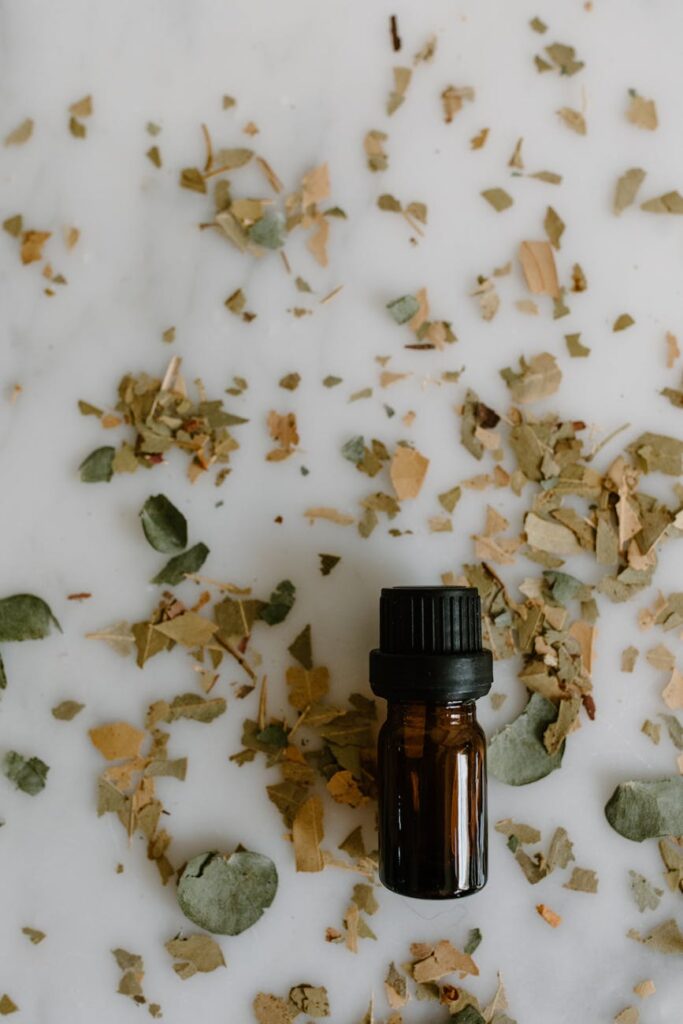
DIY aromatherapy recipes are formulations crafted at home using essential oils, carrier oils, and other natural ingredients to create blends that promote emotional well-being. These recipes often target specific emotional states, such as anxiety, stress, or fatigue, and can be easily tailored to individual preferences. The practice of creating personalized blends not only offers therapeutic benefits but also encourages creativity and self-expression.
Key Benefits and Properties
The benefits of using essential oils for emotional balance are well-documented in both historical texts and modern studies. Essential oils possess unique properties that can influence mood and emotional states. Here are some key benefits associated with DIY aromatherapy recipes:
Mood Enhancement
Certain essential oils, such as lavender and bergamot, are known for their uplifting properties, promoting feelings of happiness and tranquility. These oils can help mitigate feelings of sadness or anxiety, creating a more positive emotional environment.
Stress Relief
Many essential oils have calming effects that can help reduce stress and tension. Oils like chamomile and frankincense are often used for their ability to soothe the mind and provide a sense of grounding.
Improved Sleep Quality
Sleep disturbances can significantly affect emotional balance. Essential oils such as cedarwood and ylang-ylang are frequently used in recipes designed to promote relaxation and improve sleep quality.
Enhanced Focus and Clarity
Certain oils, such as peppermint and rosemary, can enhance cognitive function and concentration. DIY blends incorporating these oils can help clear mental fog and improve productivity, contributing to emotional stability.
Common Uses
DIY aromatherapy recipes for emotional balance can be applied in various ways, depending on personal preference and desired effects. Common uses include:
Diffusion
Using an essential oil diffuser allows for the gentle dispersal of aromatic compounds into the air. This method is ideal for creating a calming atmosphere in homes, offices, or therapy spaces.
Topical Application
Diluting essential oils in carrier oils and applying them to pulse points or problem areas can enhance emotional benefits. Popular carrier oils include jojoba, sweet almond, and coconut oil.
Bathing
Adding essential oils to bathwater can create a luxurious, therapeutic experience that promotes relaxation and emotional well-being. Bath salts or emulsifiers can be used to facilitate even distribution in water.
Inhalation
Inhaling essential oils directly from the bottle or through a cotton ball provides immediate effects and can be particularly useful during moments of emotional distress.
Aromatherapy Applications
The versatility of essential oils allows for a wide range of applications in DIY aromatherapy recipes for emotional balance:
Blends for Anxiety
Common essential oils used in anxiety-reducing blends include lavender, chamomile, and bergamot. A simple recipe might involve mixing a few drops of each oil with a carrier oil for topical application.
Uplifting Blends
To create a blend that lifts the spirits, oils such as sweet orange, grapefruit, and peppermint can be combined. An uplifting diffuser blend might consist of equal parts of these oils, creating a refreshing and energizing atmosphere.
Calming Blends for Sleep
For sleep enhancement, a blend of lavender, vetiver, and cedarwood can be effective. Adding a few drops of this blend to a warm bath or using it in a diffuser before bedtime can encourage restful sleep.
Focus and Clarity Blends
To enhance concentration, a blend of peppermint and rosemary can be utilized. Diffusing this mixture during study or work sessions can help clear the mind and boost productivity.
Safety Considerations
While essential oils offer numerous benefits, safety should always be a priority. Here are some key considerations when creating DIY aromatherapy recipes:
Dilution
Essential oils are highly concentrated and should always be diluted before topical use. A general guideline is to use a 2-3% dilution for adults, which translates to about 10-15 drops of essential oil per ounce of carrier oil.
Skin Sensitivity
Before applying any essential oil blend to the skin, it is advisable to perform a patch test. This involves applying a small amount of the diluted oil to a patch of skin and observing for any adverse reactions.
Pregnant or Nursing Individuals
Certain essential oils may not be suitable for pregnant or nursing individuals. It is essential to consult reputable sources or professionals regarding safe options.
Children and Pets
When using essential oils around children or pets, extra caution is warranted. Many oils can be irritating or toxic to younger individuals and animals. It is best to research safe oils and consult guidelines specific to age groups and species.
Storage and Shelf Life
Proper storage of essential oils and DIY blends is crucial for maintaining their efficacy and safety. Here are some tips:
Storage Conditions
Essential oils should be stored in a cool, dark place, away from direct sunlight and heat sources. Dark glass bottles are ideal for protecting the oils from light degradation.
Shelf Life
The shelf life of essential oils varies based on their chemical composition. Generally, citrus oils tend to have a shorter shelf life (1-2 years), while oils such as sandalwood and patchouli can last for several years. It’s important to label blends with a date, noting their expected shelf life.
Frequently Asked Questions
Are DIY aromatherapy recipes safe for everyone?
While many people can safely use essential oils, individuals with certain health conditions, pregnant or nursing women, and young children should exercise caution and consult guidelines specific to their circumstances.
How can I determine which essential oils are best for my emotional needs?
A good starting point is to identify the emotional state you wish to address. Researching the properties of various essential oils can help you choose the right ones. Journaling about your experiences with specific oils can also provide insights into what works best for you.
Can I mix different essential oils together?
Yes, blending different essential oils is a common practice in aromatherapy. However, it’s essential to research compatible oils and their properties to create effective and safe combinations.
How often can I use DIY aromatherapy recipes?
The frequency of use depends on individual preferences and sensitivities. Many people use aromatherapy daily or as needed to manage emotional states. Listening to your body and adjusting usage accordingly is key.
Conclusion
The history and origins of DIY aromatherapy recipes for emotional balance reflect a long-standing connection between humans and the natural world. By harnessing the power of essential oils, individuals can create personalized blends that promote emotional well-being and enhance their quality of life. As interest in natural wellness continues to grow, the practice of crafting DIY aromatherapy recipes remains a valuable and enriching pursuit.