
History and Origins of DIY Aromatherapy Recipes for Focus and Concentration
Introduction
Aromatherapy, the practice of using essential oils for therapeutic benefit, has roots that stretch back thousands of years across various cultures. From ancient Egypt to traditional Chinese medicine, the use of aromatic plants has been integral to healing practices. In recent years, there has been a resurgence in interest in DIY aromatherapy recipes, particularly those designed to enhance focus and concentration. This article explores the historical origins of these recipes, their benefits, common applications, and practical considerations for crafting your own therapeutic blends.
What Is DIY Aromatherapy Recipes for Focus and Concentration?
DIY aromatherapy recipes for focus and concentration involve the art and science of blending essential oils to create a synergistic effect that promotes mental clarity, alertness, and cognitive performance. These recipes typically combine specific essential oils known for their stimulating and uplifting properties, allowing individuals to tailor their aromatic experience to their personal preferences and needs.
The essential oils used in these recipes are derived from various parts of plants, including leaves, flowers, roots, and bark. When diffused, inhaled, or applied topically (when diluted), these oils can influence mood, enhance cognitive function, and improve overall well-being.
Key Benefits and Properties
The benefits of using essential oils for focus and concentration are well-documented in both historical texts and contemporary studies. Here are some of the key properties associated with common essential oils used in DIY recipes:
1. Boosting Mental Clarity
- Oils such as rosemary and peppermint have been shown to enhance memory retention and mental clarity. The invigorating scent of rosemary is often linked to improved cognitive performance, while peppermint can help stimulate alertness.
- Stress is a significant barrier to concentration. Essential oils like lavender and bergamot are renowned for their calming effects, which can help mitigate anxiety and create a more focused mindset.
- Citrus oils, such as lemon and sweet orange, are often associated with uplifting emotions. Their bright, cheerful scents can help create a positive atmosphere conducive to concentration.
- Oils such as eucalyptus and cinnamon can invigorate the senses and increase energy levels, making them ideal for combating fatigue during long study or work sessions.
- Home Office: Create a conducive work environment by using a diffuser with essential oil blends designed for focus.
- Study Sessions: Students can benefit from inhaling specific oils during study times to enhance memory and retention.
- Meditation Practices: Incorporating essential oils into meditation can help deepen focus and mindfulness.
- During Exercise: Diffusing stimulating oils can enhance physical activity by boosting energy and motivation.
- This is one of the most popular methods, where essential oils are dispersed into the air. A diffuser can be used to create a fragrant atmosphere that encourages focus and concentration.
- When diluted with a carrier oil, essential oils can be applied to pulse points (such as wrists or temples) for a direct effect. This method is particularly effective for oils with stimulating properties.
- Simply inhaling essential oils directly from the bottle or using an inhaler can provide immediate benefits. This method is useful for quick boosts of focus during tasks.
- Adding essential oils to a warm bath can create a soothing environment. While this is more for relaxation, it can help clear the mind and create a focused mindset afterward.
- Creating a DIY room spray with your chosen essential oils can instantly refresh a space and enhance focus when needed.
- Dilution: Always dilute essential oils before applying them to the skin, as undiluted oils can cause irritation or allergic reactions.
- Patch Testing: Conduct a patch test on a small area of skin to check for sensitivity before broader use.
- Quality of Oils: Use high-quality essential oils from reputable sources. Low-quality oils may contain synthetic additives that can be harmful.
- Pregnancy and Health Conditions: Certain essential oils should be avoided during pregnancy or if specific health conditions are present. It is advisable to consult a knowledgeable expert if unsure.
- Not for Ingestion: Essential oils should not be ingested unless under the guidance of a qualified healthcare professional.
- Store in a Cool, Dark Place: Essential oils should be kept in a cool, dark environment, away from sunlight and heat sources.
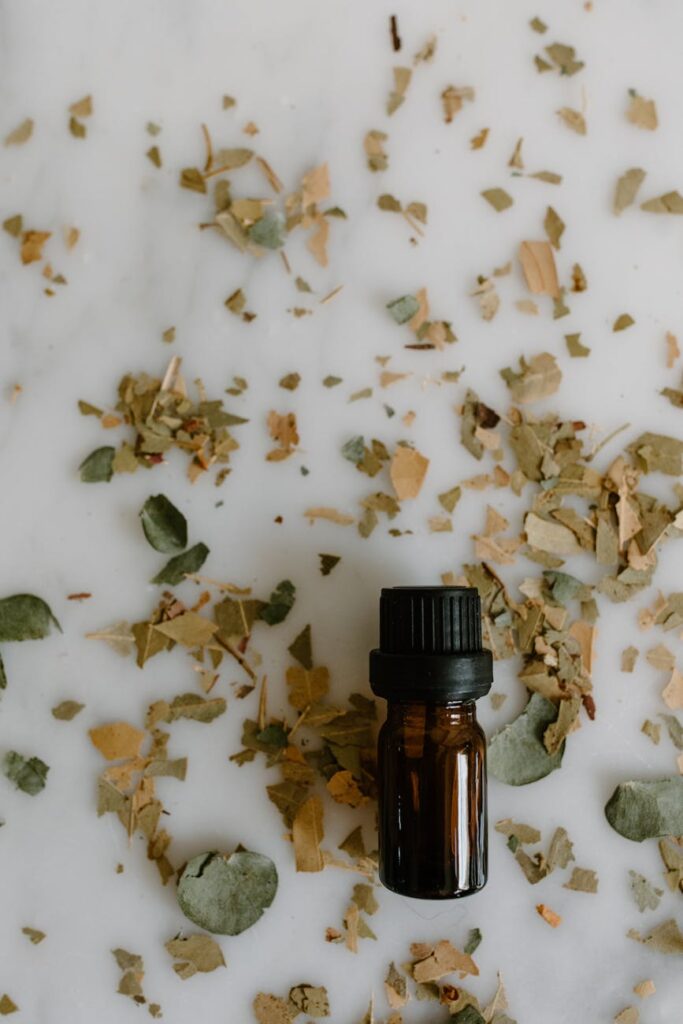
- Use Dark Glass Bottles: Dark glass bottles help protect the oils from light degradation. Avoid plastic containers, as essential oils can break down plastic.
- Closely Seal: Ensure that bottles are tightly sealed to prevent oxidation and evaporation.
- Shelf Life: While essential oils can last for years, their shelf life varies. Citrus oils tend to have a shorter shelf life (1-2 years), while oils like patchouli can last for decades if stored properly.
2. Reducing Stress and Anxiety
3. Enhancing Mood
4. Improving Energy Levels
Common Uses
DIY aromatherapy recipes for focus and concentration can be used in various settings and situations. Some common applications include:
Aromatherapy Applications
There are several methods to apply DIY aromatherapy recipes, each with its unique advantages:
1. Diffusion
2. Topical Application
3. Inhalation
4. Bathing
5. Room Sprays
Safety Considerations
While aromatherapy is generally considered safe, there are essential safety guidelines to follow to minimize risks:
Storage and Shelf Life
Proper storage is crucial for maintaining the potency and effectiveness of essential oils. Here are some best practices:
Frequently Asked Questions
1. Can I mix different essential oils?
Yes, blending essential oils can enhance their effects and create a unique aromatic experience. However, it is essential to understand the properties of each oil and how they interact.
2. How do I know which oils to use for focus?
Researching the properties of essential oils is crucial. Oils like rosemary, peppermint, and lemon are commonly cited for their focus-enhancing qualities.
3. Is it safe for children?
Some essential oils are safe for children, while others are not. Always consult with a qualified aromatherapist or healthcare professional for guidance on safe oils for children.
4. How often can I use these recipes?
You can use DIY aromatherapy recipes as often as needed, but it’s advisable to take breaks to avoid olfactory fatigue, which can diminish the effectiveness of the oils.
5. What if I have allergies?
If you have allergies, it is crucial to identify any potential allergens in the essential oils and perform patch tests before broader application.
Conclusion
The practice of using essential oils for focus and concentration has a rich history steeped in tradition and cultural practices. DIY aromatherapy recipes offer a personalized approach to harnessing the benefits of these potent plant extracts. By understanding the properties, applications, and safety considerations, individuals can create effective blends that enhance their concentration and mental clarity. Whether for studying, working, or simply navigating daily life, the art of aromatherapy can serve as a valuable tool in fostering a focused and productive environment.