
History and Origins of DIY Aromatherapy Recipes for Grounding and Stability
Introduction
The use of essential oils and aromatherapy can be traced back thousands of years, with roots in various ancient cultures across the globe. Among the myriad of applications, recipes designed to promote grounding and stability hold a special place in modern practices. Grounding, in this context, refers to a state of emotional and mental balance, where one feels centered and connected to the present moment. This article delves into the history and origins of DIY aromatherapy recipes specifically aimed at fostering such qualities.
What Is DIY Aromatherapy Recipes for Grounding and Stability?
DIY aromatherapy recipes for grounding and stability typically involve the combination of essential oils known for their calming and stabilizing properties. These recipes can be tailored to individual preferences and needs, utilizing various methods of application such as diffusion, topical application, or inhalation. Common essential oils used in these recipes include cedarwood, patchouli, vetiver, and frankincense, among others.
The creation of these recipes often allows individuals to connect more deeply with the therapeutic properties of the oils, fostering a sense of empowerment and personal well-being.
Key Benefits and Properties
The essential oils used in grounding and stability recipes are often characterized by their calming, centering, and soothing properties. Here are some key benefits attributed to these essential oils:
- Mental Clarity: Certain oils, like frankincense, are believed to enhance focus and clarity, making it easier to navigate stressful situations.
- Emotional Balance: Oils such as patchouli and vetiver help to stabilize emotions, offering comfort during times of anxiety or unrest.
- Physical Comfort: Grounding blends can also provide physical relaxation, easing tension in the body and promoting an overall sense of well-being.
- Connection to Nature: Many grounding oils are derived from trees and roots, offering a sensory connection to the earth, which can be particularly beneficial for those feeling disconnected or overwhelmed.
- Home Environments: Diffusers can fill a space with calming scents, creating an atmosphere conducive to relaxation and focus.
- Personal Care Products: Blending essential oils into carrier oils can create soothing massage oils or bath blends to enhance self-care routines.
- Meditation and Mindfulness: Incorporating these essential oils into meditation practices can deepen the experience, helping individuals remain present and centered.
- Stress Management: During high-stress moments, inhaling grounding oils or applying them to pulse points can serve as a quick remedy to regain composure.
- Dilution: Always dilute essential oils before applying them to the skin to minimize the risk of irritation.
- Skin Sensitivity: Conduct a patch test before applying new oils to ensure there are no allergic reactions.
- Pregnancy and Medical Conditions: Pregnant individuals or those with chronic health conditions should consult a qualified practitioner before using essential oils.
- Quality of Oils: The efficacy of aromatherapy relies heavily on the quality of the essential oils used. Opt for oils that are pure, therapeutic grade, and free from additives.
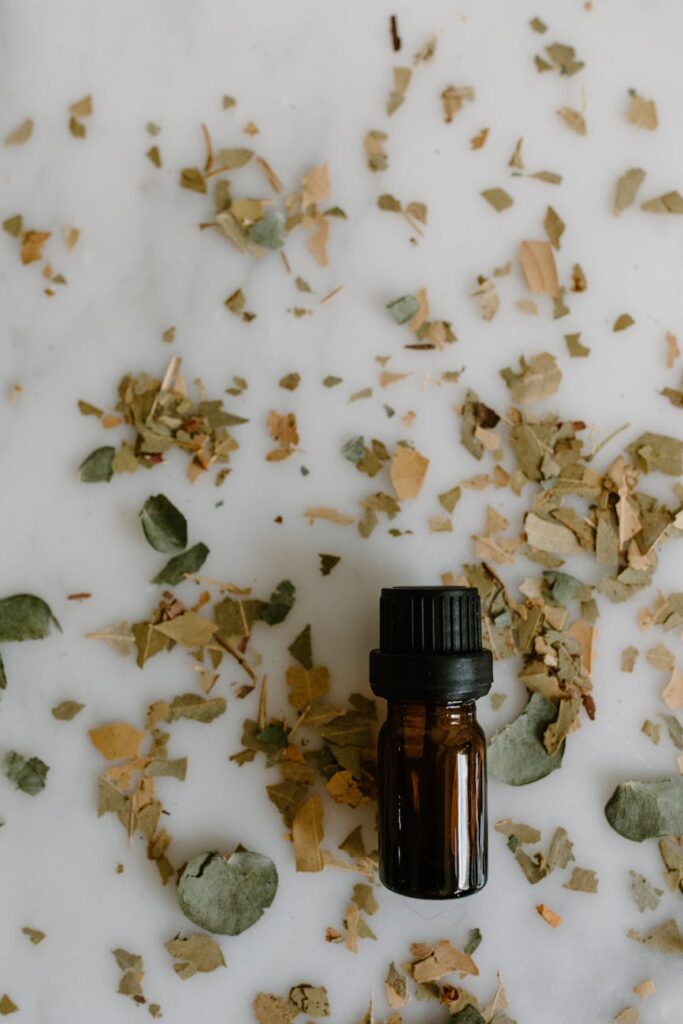
- Dark Glass Containers: Essential oils should be stored in dark glass bottles to protect them from light, which can degrade their quality.
- Cool Environment: A cool, dry place is ideal for storage. Avoid locations exposed to heat or direct sunlight.
- Shelf Life: Most essential oils have a shelf life of 1-3 years, depending on the type. Citrus oils tend to have shorter shelf lives, while oils such as patchouli can age well.
Common Uses
DIY aromatherapy recipes for grounding and stability can be utilized in various contexts, including:
Aromatherapy Applications
DIY recipes for grounding and stability can be crafted in various forms, each catering to different preferences and needs. Here are some common applications:
1. Diffusion
Using an essential oil diffuser is one of the simplest ways to experience the benefits of grounding oils. A few drops of essential oil can be added to water in a diffuser, dispersing the aroma throughout a room.
2. Topical Application
Diluting essential oils in a carrier oil allows for safe topical application. Popular carrier oils include sweet almond, jojoba, and coconut oil. A typical dilution ratio is 2-3 drops of essential oil per teaspoon of carrier oil.
3. Bath Soaks
Adding essential oils to bathwater can create a soothing and immersive experience. Combining a few drops of essential oil with Epsom salts or a neutral base can enhance the relaxation benefits during a warm bath.
4. Inhalation
Direct inhalation offers immediate access to the aroma of essential oils. Placing a few drops on a tissue or using an inhaler stick can provide quick grounding support when needed.
Safety Considerations
While essential oils are generally safe when used properly, certain precautions should be taken:
Storage and Shelf Life
To maintain the integrity of essential oils, proper storage is essential. Here are some guidelines:
Frequently Asked Questions
1. Can I mix different essential oils for grounding?
Yes, many individuals enjoy blending various essential oils to create personalized recipes. Experimenting with different combinations can lead to unique and effective grounding blends.
2. How often should I use grounding oils?
The frequency of use depends on individual needs and preferences. Some may use grounding oils daily as part of their routines, while others may turn to them during periods of heightened stress or anxiety.
3. Are there any essential oils to avoid for grounding?
While many oils can be beneficial for grounding, it is wise to avoid those known for their stimulating properties, such as peppermint or citrus oils, if the goal is to promote calmness.
4. Can children use grounding essential oils?
Yes, but it is important to dilute essential oils more heavily for children. Consulting a qualified aromatherapist or healthcare provider is advisable when using essential oils on children.
5. What is the best way to experience the benefits of grounding oils?
Individual preferences will vary, but practices such as diffusing oils during meditation, incorporating them into self-care routines, or using them during moments of stress can enhance their effectiveness.
Conclusion
The rich history and evolving practices of DIY aromatherapy recipes for grounding and stability reveal the profound connection between scent, emotion, and well-being. By exploring the properties and benefits of various essential oils, individuals can create tailored recipes that resonate with their unique needs. Whether through diffusion, topical application, or mindful inhalation, grounding oils offer a pathway to emotional balance, mental clarity, and a deeper connection to the present moment.