
History and Origins of DIY Aromatherapy Recipes for Mood Upliftment
Introduction
Aromatherapy, a holistic healing practice that utilizes essential oils from plants, has captivated human interest for centuries. The concept of using natural scents to enhance mood and well-being is not a modern phenomenon; it has deep roots in various cultures throughout history. This article explores the origins of DIY aromatherapy recipes designed for mood upliftment, detailing their historical context, benefits, applications, and safety considerations.
What Is DIY Aromatherapy Recipes for Mood Upliftment?
DIY aromatherapy recipes are concoctions made from essential oils and other natural ingredients, tailored for individual needs, particularly for enhancing mood. Mood upliftment through aromatherapy capitalizes on the psychological and physiological effects of scents. The practice allows individuals to create personalized blends that resonate with their emotional state, making it a popular choice for those seeking holistic wellness solutions.
Key Benefits and Properties
The benefits of using essential oils for mood upliftment stem from their chemical composition and the emotional responses they evoke. Here are some of the key properties associated with commonly used essential oils:
1. Antidepressant Effects: Certain oils, such as bergamot and lavender, have been shown to have uplifting properties, helping to alleviate feelings of sadness and anxiety.
2. Stress Reduction: Oils like chamomile and frankincense are known for their calming effects, making them effective in reducing stress and promoting relaxation.
3. Mental Clarity: Essential oils such as rosemary and peppermint can enhance focus and concentration, contributing to an overall better mood.
4. Emotional Balance: Oils like ylang-ylang and geranium can help stabilize emotions, promoting feelings of peace and joy.
5. Sensory Enjoyment: The simple act of inhaling pleasant scents can trigger positive memories and emotions, enhancing overall well-being.
Common Uses
DIY aromatherapy recipes for mood upliftment can be used in various contexts. Some of the common applications include:
- Diffusion: Using an essential oil diffuser to disperse fragrant oils into the air, creating an uplifting environment.
- Topical Application: Diluting essential oils in carrier oils (e.g., coconut or jojoba oil) for application on pulse points, allowing for both aromatic and therapeutic effects.
- Baths: Adding essential oils to a warm bath can create a tranquil atmosphere, promoting relaxation and mood enhancement.
- Inhalation: Simple inhalation techniques, such as placing a few drops of essential oil on a tissue and breathing deeply, can provide immediate mood upliftment.
- Room Sprays: Creating DIY room sprays with essential oils can refresh indoor spaces while uplifting spirits.
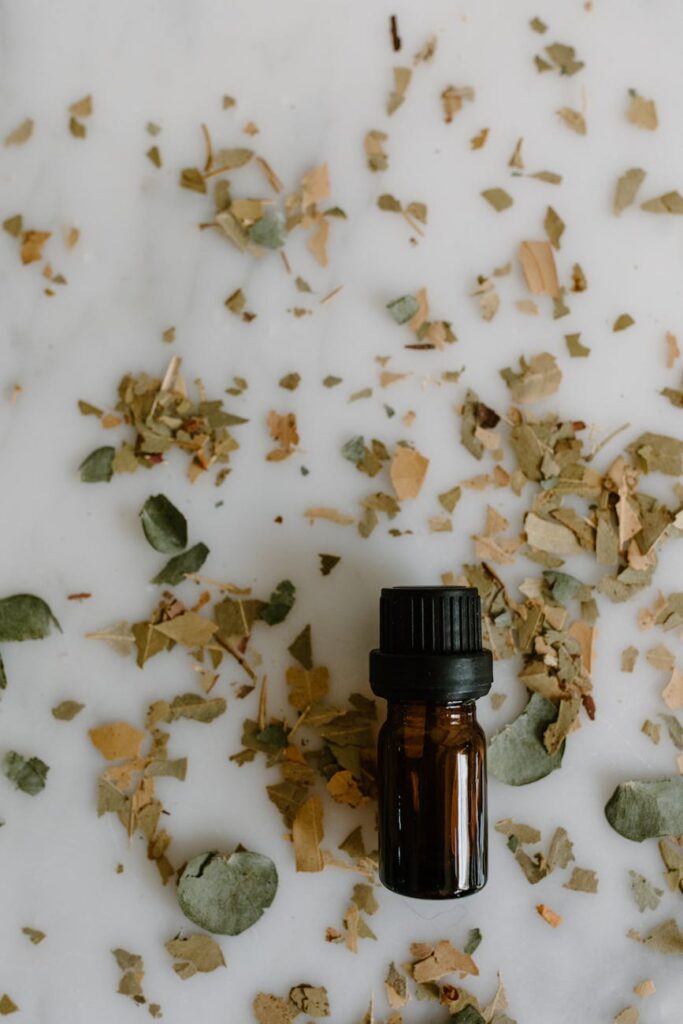
- Containers: Use dark glass bottles to protect oils from light, which can degrade their quality.
- Temperature: Store oils in a cool, dry place, ideally at room temperature or lower.
- Shelf Life: While many essential oils have a long shelf life, they can range from 1 to 10 years depending on the oil. Citrus oils tend to have a shorter shelf life, while oils like sandalwood may last longer.
Aromatherapy Applications
Historically, the practice of aromatherapy extends back to ancient civilizations. Here are a few notable points in history:
Ancient Egypt
The ancient Egyptians were among the first to harness the power of aromatic plants. They utilized essential oils in religious rituals, embalming processes, and cosmetics. Oils such as myrrh and frankincense were highly valued for their spiritual and mood-enhancing properties.
Ancient Greece and Rome
The Greeks and Romans also recognized the therapeutic benefits of essential oils. Hippocrates, often referred to as the Father of Medicine, advocated for the use of aromatic plants for healing purposes. The Romans used essential oils in baths and massage, promoting both physical well-being and emotional harmony.
Traditional Chinese Medicine
In Traditional Chinese Medicine (TCM), aromatic plants have been used for thousands of years to balance energy (Qi) and emotional states. Essential oils play a role in various TCM practices, contributing to both physical and emotional well-being.
Modern Era
The modern revival of aromatherapy began in the early 20th century, with pioneers such as René-Maurice Gattefossé and Marguerite Maury advocating for the therapeutic use of essential oils. Today, DIY recipes have become increasingly popular, allowing individuals to explore the benefits of aromatherapy in their own homes.
Safety Considerations
While DIY aromatherapy can be beneficial, it is essential to consider safety precautions:
1. Dilution: Essential oils are highly concentrated and should always be diluted in a carrier oil before topical application to prevent skin irritation.
2. Quality of Oils: Choose high-quality, pure essential oils from reputable sources. Synthetic oils may lack the therapeutic properties of natural oils.
3. Allergic Reactions: Conduct a patch test before applying any new oil to the skin to check for allergies or sensitivities.
4. Pregnancy and Health Conditions: Certain essential oils may not be safe for pregnant women or individuals with specific health conditions. Consult with a qualified professional if unsure.
5. Storage: Store essential oils in a cool, dark place away from direct sunlight to maintain their potency.
Storage and Shelf Life
Proper storage of essential oils is crucial for preserving their aroma and efficacy. Here are some tips:
Frequently Asked Questions
1. Can I use essential oils directly on my skin?
It is generally advised to dilute essential oils in a carrier oil before applying them to the skin to prevent irritation.
2. How do I choose the right essential oils for mood upliftment?
Selecting oils that resonate with your personal preferences and emotional needs is key. Popular choices for mood upliftment include lavender, bergamot, and citrus oils like lemon.
3. How can I make a simple DIY mood-lifting blend?
A simple blend may include 5 drops of lavender oil, 3 drops of bergamot oil, and 2 drops of sweet orange oil mixed with a carrier oil for topical use or in a diffuser.
4. How often can I use aromatherapy for mood upliftment?
You can use aromatherapy as often as needed, whether for quick mood boosts throughout the day or as part of an evening relaxation routine.
5. Are there any oils to avoid?
Some oils may be irritating or unsuitable for certain individuals, such as those with sensitive skin or allergies. Always research and consult if necessary before use.
Conclusion
The rich history of DIY aromatherapy recipes for mood upliftment showcases humanity’s enduring fascination with the healing powers of nature. By understanding the origins, benefits, and applications of essential oils, individuals can cultivate a deeper connection with these natural remedies. As the popularity of aromatherapy continues to grow, the ability to create personalized recipes empowers people to enhance their emotional well-being and overall quality of life.