
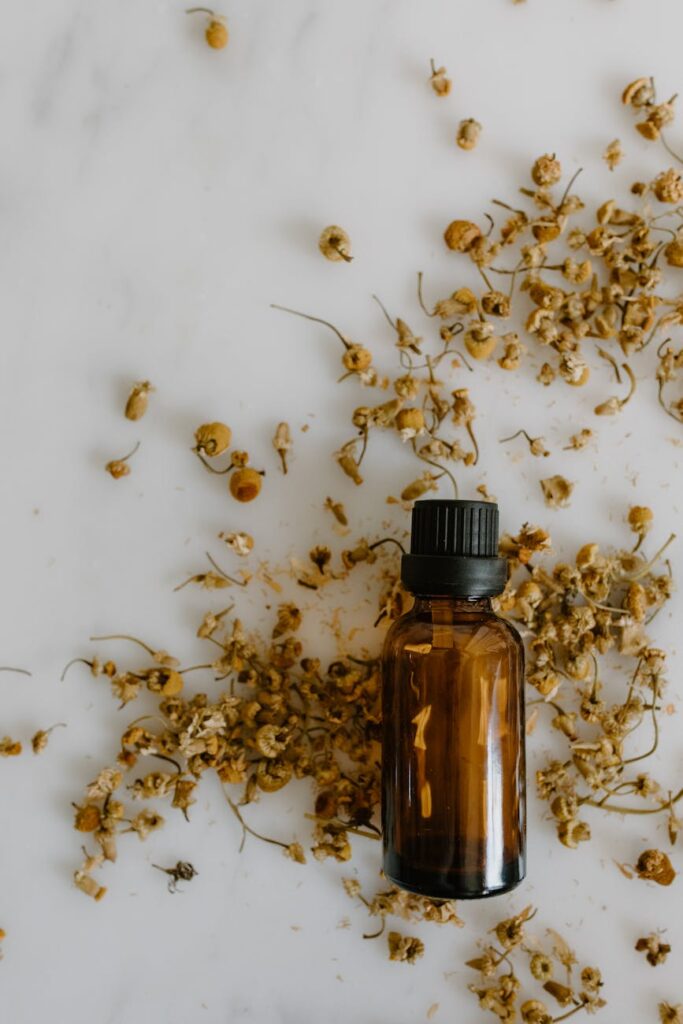
History and Origins of DIY Aromatherapy Recipes for Relaxation with Chamomile and Ylang Ylang Oils
Introduction
Aromatherapy, the practice of using aromatic plant extracts for therapeutic purposes, has a rich history that spans cultures and centuries. Among the myriad of essential oils available, chamomile and ylang ylang stand out for their calming properties and delightful fragrances. This article explores the historical roots and origins of DIY aromatherapy recipes featuring these two popular oils, delving into their benefits, common uses, applications, and safety considerations.
What Is DIY Aromatherapy Recipes for Relaxation with Chamomile and Ylang Ylang Oils?
DIY aromatherapy refers to the practice of creating personalized blends using essential oils to promote relaxation, improve mood, and enhance well-being. Chamomile, derived from the flowers of the Matricaria chamomilla or Chamaemelum nobile plants, has been valued for its soothing qualities for centuries. Ylang ylang, originating from the Cananga odorata tree, is celebrated for its sweet, floral scent and is often associated with tranquility and emotional balance.
Combining these two oils in DIY recipes offers a unique opportunity to harness their individual properties for relaxation.
Key Benefits and Properties
Chamomile Oil
Chamomile oil is renowned for its calming effects. Its primary constituents, such as alpha-bisabolol and chamazulene, contribute to its anti-inflammatory and sedative properties. Traditionally, chamomile has been used to alleviate anxiety, promote sleep, and soothe digestive discomfort.
Ylang Ylang Oil
Ylang ylang oil, extracted from the flowers of the ylang ylang tree, is known for its uplifting and balancing qualities. The oil contains compounds like linalool and geranyl acetate, which can help stabilize mood and reduce feelings of stress. Historically, this oil has been used in perfumes, but its calming effects have also made it a staple in relaxation practices.
Combining chamomile and ylang ylang creates a synergistic blend that promotes relaxation and emotional balance, making it ideal for self-care routines.
Common Uses
Chamomile and ylang ylang oils can be incorporated into various DIY recipes for relaxation. Some common applications include:
- Diffusion: Adding a few drops of each oil to a diffuser creates an aromatic environment conducive to relaxation.
- Topical Applications: Diluting these oils in a carrier oil for massage or skin application can enhance relaxation and soothe tension.
- Bath Soaks: Incorporating chamomile and ylang ylang into bath products promotes a soothing experience.
- Inhalation: A simple method of inhaling the combined aromas directly from the bottle or by placing drops on a tissue can provide quick relief during stressful moments.
- 3 drops of chamomile oil
- 3 drops of ylang ylang oil
- 2 tablespoons of carrier oil (e.g., sweet almond oil)
- 2 drops of chamomile oil
- 2 drops of ylang ylang oil
- 1 cup of Epsom salt
- 5 drops of chamomile oil
- 5 drops of ylang ylang oil
- 2 drops of chamomile oil
- 2 drops of ylang ylang oil
- Containers: Store essential oils in dark glass bottles to protect them from light, which can degrade their quality.
- Temperature: Keep oils in a cool, dark place, away from direct sunlight and heat sources.
- Shelf Life: Chamomile oil typically has a shelf life of 1-2 years, while ylang ylang oil can last 2-3 years if stored correctly. Always check for changes in fragrance or consistency before use.
Aromatherapy Applications
Creating DIY aromatherapy recipes with chamomile and ylang ylang can be both enjoyable and beneficial. Here are some popular recipes that highlight their relaxing properties:
1. Relaxing Diffuser Blend
Ingredients:
Instructions:
1. Add the essential oils to a diffuser filled with water.
2. Turn on the diffuser and enjoy the calming aroma.
2. Soothing Massage Oil
Ingredients:
Instructions:
1. Combine the carrier oil with the essential oils in a small glass bottle.
2. Shake gently to mix.
3. Use as a massage oil, focusing on areas of tension.
3. Calming Bath Soak
Ingredients:
Instructions:
1. Mix the Epsom salt with the essential oils in a bowl.
2. Add to a warm bath and soak for at least 20 minutes.
4. Inhalation Blend
Ingredients:
Instructions:
1. Place the essential oils on a tissue or cotton ball.
2. Inhale deeply for a few moments to experience the calming effects.
These recipes can be easily adapted to suit individual preferences, making DIY aromatherapy a versatile addition to relaxation practices.
Safety Considerations
While chamomile and ylang ylang oils are generally regarded as safe for most individuals when used appropriately, there are a few considerations to keep in mind:
1. Dilution: Always dilute essential oils with a carrier oil before applying them to the skin to minimize the risk of irritation.
2. Allergies: Individuals with allergies to plants in the Asteraceae family (such as ragweed) should exercise caution with chamomile oil. It is advisable to perform a patch test before widespread use.
3. Pregnancy and Nursing: Pregnant or nursing individuals should consult with a healthcare professional before using essential oils, as certain oils may not be recommended during these periods.
4. Children: Special care should be taken when using essential oils around children, as their skin can be more sensitive.
5. Interactions: If you are taking medication or have existing health conditions, consult with a healthcare professional to ensure there are no contraindications.
Storage and Shelf Life
Proper storage of essential oils is essential for maintaining their potency and aroma. Here are some tips:
Frequently Asked Questions
1. Can I mix chamomile and ylang ylang with other essential oils?
Yes, chamomile and ylang ylang can be combined with other essential oils to create personalized blends. Popular combinations include lavender for added relaxation or citrus oils for an uplifting effect.
2. How often can I use these oils for relaxation?
The frequency of use depends on personal preference and sensitivity. Many find that using these oils daily or several times a week can be beneficial for maintaining relaxation and emotional balance.
3. Are there any contraindications for using chamomile or ylang ylang oils?
While both oils are generally safe when used properly, individuals with allergies, especially to ragweed, should approach chamomile oil cautiously. Pregnant or nursing individuals and young children should consult a healthcare professional before use.
4. Can I use these oils in a bath?
Yes, incorporating chamomile and ylang ylang oils into a warm bath can enhance the relaxation experience. Be sure to mix the oils with Epsom salts or a carrier oil to ensure they disperse in the water.
5. Can these oils help with anxiety and stress?
Many people use chamomile and ylang ylang oils as part of their self-care routines for their calming effects. While they may not replace professional treatment, incorporating them into relaxation practices can contribute to overall well-being.
Conclusion
The historical roots of chamomile and ylang ylang oils enrich their use in modern DIY aromatherapy practices. These oils, known for their calming and soothing properties, offer a delightful way to promote relaxation and emotional balance. By creating personalized recipes, individuals can harness the power of aromatherapy in their daily lives, enhancing their well-being and fostering a serene atmosphere. As with any essential oil, understanding their properties and safe usage is key to unlocking their full potential.