
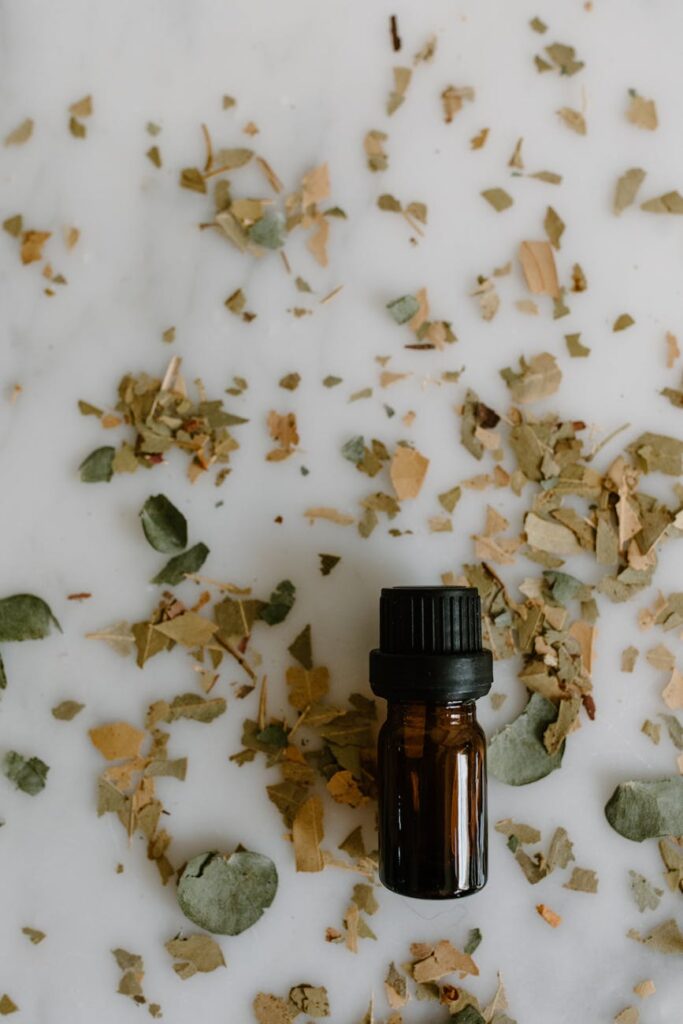
History and Origins of DIY Aromatherapy Recipes for Respiratory Support
Introduction
Aromatherapy, the practice of using essential oils for therapeutic benefits, has deep historical roots that span various cultures and millennia. Among its many applications, respiratory support through DIY aromatherapy recipes has gained prominence, particularly in contemporary wellness practices. This article delves into the history and origins of these recipes, exploring their development, benefits, and applications.
What Are DIY Aromatherapy Recipes for Respiratory Support?
DIY aromatherapy recipes for respiratory support involve blending essential oils known for their beneficial properties concerning respiratory health. These oils can be inhaled, diffused, or applied topically in diluted forms. Common essential oils used in respiratory support recipes include Eucalyptus, Peppermint, Tea Tree, Lavender, and Lemon. Each of these oils has unique properties that may help ease breathing, clear airways, and promote overall respiratory wellness.
Key Benefits and Properties
The essential oils utilized in DIY recipes for respiratory support are celebrated for their diverse benefits:
1. Antiseptic Properties: Many essential oils, such as Tea Tree and Eucalyptus, possess natural antiseptic qualities that can help cleanse the air and reduce the presence of airborne pathogens.
2. Decongestant Effects: Eucalyptus and Peppermint oils are known for their ability to relieve congestion and promote clearer airways, making breathing easier during colds or allergies.
3. Anti-inflammatory Benefits: Oils like Lavender can help reduce inflammation in the respiratory pathways, contributing to a more comfortable breathing experience.
4. Mood Enhancer: The aromatic properties of essential oils can also have psychological benefits, promoting relaxation and reducing stress, which may indirectly support respiratory health.
5. Expectorant Qualities: Certain oils can help in thinning mucus, making it easier to expel, thus promoting better lung function.
Common Uses
DIY aromatherapy recipes for respiratory support are versatile and can be employed in various scenarios, including:
- Cold and Flu Relief: A blend of Eucalyptus and Peppermint oils in a diffuser can provide soothing relief during cold and flu seasons.
- Allergy Management: Combining Lavender and Lemon oils can create a refreshing mist to ease allergy symptoms.
- Seasonal Support: Inhaling a blend of essential oils can help manage symptoms associated with changing seasons.
- Relaxation and Stress Relief: Aromatherapy can be utilized in calming environments, such as during yoga or meditation sessions.
- Cool, Dark Place: Essential oils should be stored in a cool, dark place, away from direct sunlight and heat sources.
- Tightly Sealed Containers: Keeping oils in tightly sealed containers helps prevent oxidation and degradation.
- Shelf Life: Most essential oils have a shelf life ranging from 1 to 3 years, while citrus oils may have a shorter shelf life due to their chemical composition. Always check the specific shelf life for each oil.
Aromatherapy Applications
There are several methods of applying DIY aromatherapy recipes for respiratory support:
1. Diffusion
Essential oils can be diffused in the air using a diffuser, releasing their aromatic compounds into the environment. This method is particularly effective for creating a soothing atmosphere and promoting respiratory wellness.
2. Inhalation
Direct inhalation involves placing a few drops of essential oil on a tissue or in the palms and inhaling deeply. This method is quick and can provide immediate relief for respiratory discomfort.
3. Topical Application
Diluting essential oils with a carrier oil (such as Coconut or Jojoba oil) allows for safe topical application. Rubbing a diluted blend on the chest or back can help relieve congestion and promote easier breathing.
4. Steam Inhalation
Inhaling steam infused with essential oils can provide intense relief. This can be achieved by adding a few drops of oil to a bowl of hot water, covering the head with a towel, and inhaling the steam.
5. Bathing
Adding essential oils to bathwater can create a relaxing experience while also allowing for respiratory benefits through inhalation of the steam.
Safety Considerations
While essential oils can offer many benefits, it’s essential to follow safety guidelines:
1. Dilution: Essential oils should always be diluted before topical application to prevent skin irritation. A common dilution ratio is 1-2% (1-2 drops of essential oil per teaspoon of carrier oil).
2. Patch Test: Always perform a patch test before applying a new essential oil to the skin. Apply a diluted drop on a small area and wait 24 hours to check for adverse reactions.
3. Pregnancy and Children: Certain essential oils are not recommended for use during pregnancy or for young children. Always consult reliable sources to ensure safety.
4. Allergies: Individuals with known allergies should exercise caution and consult with a healthcare professional before using new essential oils.
5. Quality of Oils: Select high-quality, pure essential oils from reputable sources to ensure efficacy and safety.
Storage and Shelf Life
Proper storage of essential oils is crucial to maintaining their potency and effectiveness:
Frequently Asked Questions
1. Can I use essential oils if I have a respiratory condition?
While many people find relief with essential oils, individuals with respiratory conditions should consult a healthcare professional before using essential oils, especially if they have allergies or sensitivities.
2. Are there any essential oils to avoid for respiratory support?
Certain oils, such as those with strong scents or those known to cause irritation (e.g., Clove or Cinnamon), should be avoided or used with caution, especially in sensitive individuals.
3. How do I know which essential oils are best for me?
Personal preference plays a significant role in selecting essential oils. It may be beneficial to experiment with different oils to see which ones provide the most comfort and relief.
4. What is the best method for using essential oils for respiratory support?
The best method varies from person to person. Diffusing oils is popular for creating a pleasant atmosphere, while topical application may be more effective for localized relief. Experimenting with different methods can help identify what works best for individual needs.
5. Can essential oils interact with medications?
Some essential oils may interact with medications. It’s essential to consult with a healthcare professional if you are on medication and considering the use of essential oils.
Conclusion
The history and origins of DIY aromatherapy recipes for respiratory support reveal a rich tapestry of cultural practices and medicinal knowledge that has evolved over time. As awareness of the benefits of essential oils continues to grow, individuals can explore various recipes and applications to promote respiratory wellness naturally. By understanding the properties, uses, and safety considerations associated with essential oils, one can create a tailored approach to enhancing respiratory health through the art of aromatherapy.