
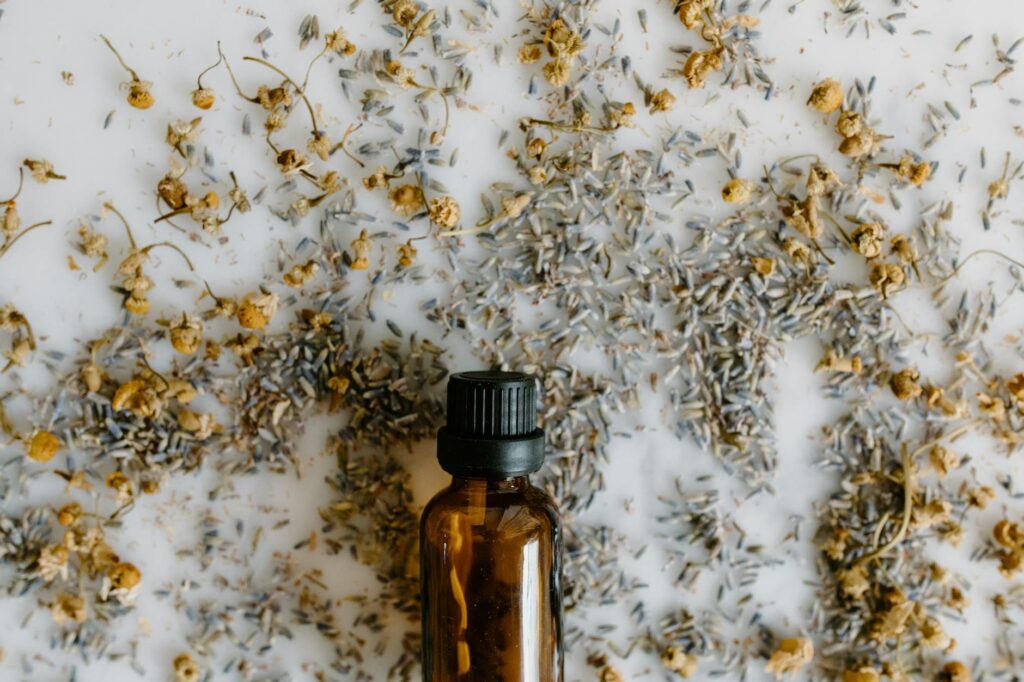
History and Origins of DIY Aromatherapy Recipes for Scented Sleep Pillows with Lavender and Chamomile
Introduction
The pursuit of restful sleep has led many to explore various remedies, with aromatherapy gaining significant popularity in recent years. One of the most cherished applications of aromatherapy involves the use of scented sleep pillows, particularly those infused with lavender and chamomile. These natural ingredients have deep historical roots and have been utilized for their calming properties across various cultures. This article delves into the history and origins of DIY aromatherapy recipes for scented sleep pillows, focusing on the benefits, applications, and considerations surrounding the use of lavender and chamomile.
What Is DIY Aromatherapy Recipes for Scented Sleep Pillows with Lavender and Chamomile?
DIY aromatherapy recipes for scented sleep pillows typically involve creating small fabric pillows filled with dried herbs, essential oils, and sometimes other natural materials. The primary focus of these pillows is on lavender and chamomile, both of which are renowned for their soothing and calming effects. This practice has evolved over centuries, with various cultures developing their unique methods for harnessing the power of these aromatic plants.
Lavender
Lavender (Lavandula angustifolia) is a flowering plant in the mint family, known for its fragrant purple flowers. Historically, it has been used in various forms, including essential oils, dried flowers, and herbal infusions. The ancient Romans used lavender in baths to promote relaxation, while medieval Europeans hung lavender in their homes to ward off pests and enhance tranquility.
Chamomile
Chamomile, particularly Roman chamomile (Chamaemelum nobile) and German chamomile (Matricaria chamomilla), has a long-standing history in herbal medicine. Used by ancient Egyptians for its calming effects, chamomile has been a staple in folk medicine across Europe and beyond. Its sweet, apple-like scent makes it an ideal companion for lavender in sleep pillows, promoting a peaceful sleeping environment.
Key Benefits and Properties
Both lavender and chamomile have well-documented properties that contribute to their effectiveness in promoting sleep and relaxation.
Lavender
1. Calming Effects: Lavender is widely recognized for its ability to reduce anxiety and stress. Studies have shown that its scent can lower heart rates and promote a sense of calm.
2. Sleep Induction: Many people use lavender to help induce sleep. Its soothing aroma has been linked to improved sleep quality and duration.
3. Antimicrobial Properties: Beyond its calming effects, lavender possesses antimicrobial properties that can help keep the contents of a sleep pillow fresh.
Chamomile
1. Sedative Qualities: Chamomile is known for its mild sedative effects. It has been traditionally used in herbal teas to promote relaxation and aid sleep.
2. Anti-inflammatory Properties: Chamomile may help reduce inflammation, making it beneficial for those who experience discomfort that disrupts sleep.
3. Digestive Aid: Chamomile can also help soothe digestive issues, which may indirectly improve sleep quality.
Common Uses
Scented sleep pillows filled with lavender and chamomile are commonly used to enhance sleep quality and create a calming environment. Here are several popular applications:
1. Bedtime Companion: Many people place scented pillows under their heads or beside their pillows to help them unwind at night.
2. Travel Aid: These pillows are ideal for travel, providing a familiar scent that can help facilitate sleep in unfamiliar environments.
3. Decorative Element: Beyond functionality, scented sleep pillows can serve as decorative items in a bedroom, adding a touch of natural beauty and fragrance.
4. Meditation and Relaxation: Many use these pillows during meditation or relaxation practices to heighten the sensory experience.
Aromatherapy Applications
Creating DIY scented sleep pillows involves several steps and can be customized according to personal preferences. Below are basic guidelines for making a lavender and chamomile sleep pillow.
Materials Needed
- Dried Lavender Flowers: Approximately 1 cup
- Dried Chamomile Flowers: Approximately 1 cup
- Cotton or Linen Fabric: For the pillow casing
- Essential Oils (optional): Lavender or chamomile essential oils can be added for an extra boost of fragrance.
- Sewing Supplies: Needle, thread, or a sewing machine.
Instructions
1. Prepare the Pillowcase: Cut the fabric into two squares or rectangles, depending on the desired pillow size. For a standard-sized pillow, consider dimensions of 8×10 inches.
2. Sew the Edges: Place the fabric pieces together, right sides facing each other. Sew along three edges, leaving one edge open for filling.
3. Mix the Herbs: In a bowl, combine the dried lavender and chamomile. If desired, add a few drops of lavender or chamomile essential oil to enhance the scent.
4. Fill the Pillow: Carefully spoon the herb mixture into the pillowcase, leaving enough space to sew the final edge.
5. Close the Pillow: Fold the open edge inward and sew it shut to complete the pillow.
6. Use and Enjoy: Place the pillow on your bed, in your travel bag, or wherever you seek relaxation.
Safety Considerations
While lavender and chamomile are generally regarded as safe, certain precautions should be observed:
1. Allergic Reactions: Individuals with allergies to plants in the Asteraceae family (which includes chamomile) should exercise caution.
2. Pregnancy and Breastfeeding: Pregnant or breastfeeding individuals should consult a healthcare provider before using essential oils or herbal products.
3. Skin Sensitivity: If using essential oils, it is advisable to dilute them appropriately and perform a patch test to prevent skin irritation.
4. Children: Keep scented pillows out of reach of young children to avoid choking hazards.
Storage and Shelf Life
To maintain the fragrance and quality of your scented sleep pillows:
1. Store in a Cool, Dry Place: Keep pillows away from direct sunlight and moisture, which can degrade the herbs.
2. Refresh the Scent: If the scent begins to fade, consider adding a few drops of essential oil or replacing the dried herbs every 6-12 months.
3. Use Airtight Containers: If you are making multiple pillows, store unused ones in airtight containers to preserve their freshness.
Frequently Asked Questions
1. Can I use fresh herbs instead of dried ones?
While fresh herbs are aromatic, they contain moisture, which can lead to mold growth in a pillow. It is recommended to use dried herbs for longevity and safety.
2. How often should I refresh my scented pillow?
To maintain optimal fragrance, consider refreshing the herbs or adding essential oils every 6-12 months, or whenever you notice a significant decline in scent.
3. Can I use other herbs in my sleep pillow?
Yes! Other calming herbs, such as lemon balm, passionflower, or valerian root, can also be added or substituted to enhance the soothing properties of your pillow.
4. What should I do if I experience an allergic reaction?
If you experience any signs of an allergic reaction, discontinue use immediately and consult a healthcare professional.
5. Can I wash the pillowcase?
It is advisable to avoid washing the pillowcase frequently, as this may affect the herbs inside. Instead, consider spot cleaning it if necessary.
Conclusion
The tradition of using scented sleep pillows infused with lavender and chamomile has a rich history, steeped in cultural practices that prioritize relaxation and well-being. As DIY aromatherapy continues to gain traction, creating your own scented sleep pillow can be a rewarding endeavor that not only enhances your sleep but also connects you with time-honored practices of natural healing. By understanding the benefits, applications, and safety considerations, individuals can craft personalized pillows that contribute to a serene sleeping environment.