
History and Origins of DIY Aromatherapy Recipes for Seasonal Immune Boosting
Introduction
Aromatherapy, the practice of using essential oils extracted from plants for therapeutic purposes, has a rich history that spans thousands of years. While the modern application of essential oils is often associated with wellness and relaxation, many ancient cultures utilized these aromatic substances for various health benefits. Among these benefits, the seasonal immune-boosting properties of essential oils have gained considerable attention, especially as people seek natural remedies to support their health during changing seasons. This article explores the history and origins of DIY aromatherapy recipes specifically designed for seasonal immune support.
What Is DIY Aromatherapy Recipes for Seasonal Immune Boosting?
DIY aromatherapy recipes for seasonal immune boosting involve the formulation of essential oil blends that are designed to enhance the body’s natural defenses. These blends typically incorporate various essential oils known for their immune-supporting properties, allowing individuals to create personalized remedies at home. The process generally involves selecting appropriate essential oils, diluting them with carrier oils or other mediums, and utilizing them in various applications such as diffusers, topical applications, or inhalation methods.
Key Benefits and Properties
Immune System Support
Certain essential oils, such as tea tree, eucalyptus, and oregano, have been traditionally recognized for their antimicrobial properties. These oils can help support the body’s immune response during periods of increased vulnerability, such as seasonal changes.
Stress Reduction
The transition between seasons can often be a stressful time. Essential oils like lavender and chamomile are known for their calming effects, promoting relaxation and reducing stress, which can further support a healthy immune system.
Respiratory Health
Essential oils such as peppermint and eucalyptus are frequently used in recipes aimed at promoting respiratory health. These oils can help clear the airways, making it easier to breathe and potentially reducing the risk of respiratory infections.
Mood Enhancement
Seasonal changes can impact mood, and essential oils like citrus oils (e.g., orange and lemon) are known for their uplifting properties. Incorporating these oils into DIY recipes can create a positive atmosphere, which is beneficial for overall well-being.
Common Uses
Diffusion
One of the most popular methods of using essential oils is through diffusion. By adding a few drops of essential oils to a diffuser, individuals can fill their space with aromatic compounds that may enhance mood, reduce stress, and support immune function.
Topical Application
Diluting essential oils in carrier oils (such as jojoba or coconut oil) allows for safe topical application. Many DIY recipes include blends that can be massaged into pulse points or the chest to promote respiratory health and immunity.
Inhalation
Inhaling essential oils directly from the bottle or from a cotton ball can provide immediate aromatic benefits. This method is particularly useful for oils that support respiratory function.
Bathing
Adding essential oils to a warm bath can create a soothing experience. Oils like lavender and eucalyptus can promote relaxation while also providing potential immune support.
Aromatherapy Applications
Seasonal Blends
Creating seasonal blends that cater to specific times of the year can enhance the effectiveness of aromatherapy. For example, during the colder months, blends might include warming oils like clove and cinnamon, while spring blends may focus on refreshing oils like lemon and rosemary.
Customization
DIY recipes allow for customization based on individual preferences and needs. Users can experiment with different essential oils to find combinations that resonate with their senses and support their health goals.
Household Use
Beyond personal use, essential oils can also be used in household products. DIY recipes for natural cleaners often incorporate essential oils with antimicrobial properties, providing a dual benefit of cleanliness and immune support.
Safety Considerations
While essential oils offer numerous benefits, it is crucial to use them safely:
Dilution
Essential oils are highly concentrated and should always be diluted before topical application. A general guideline is to use a dilution ratio of 1-2% for adults, which equates to about one drop of essential oil per teaspoon of carrier oil.
Skin Sensitivity
Some individuals may experience skin sensitivity or allergic reactions to certain oils. It is advisable to perform a patch test before using a new essential oil.
Contraindications
Certain essential oils may not be suitable for pregnant or breastfeeding individuals, young children, or those with specific health conditions. Always consult reputable sources for guidance on oil safety.
Quality of Oils
The quality of essential oils can vary significantly. It is essential to choose high-quality, pure essential oils from reputable suppliers to ensure that the oils are free from synthetic additives and contaminants.
Storage and Shelf Life
Proper storage of essential oils is essential to maintain their potency and effectiveness. Here are some guidelines:
Storage Conditions
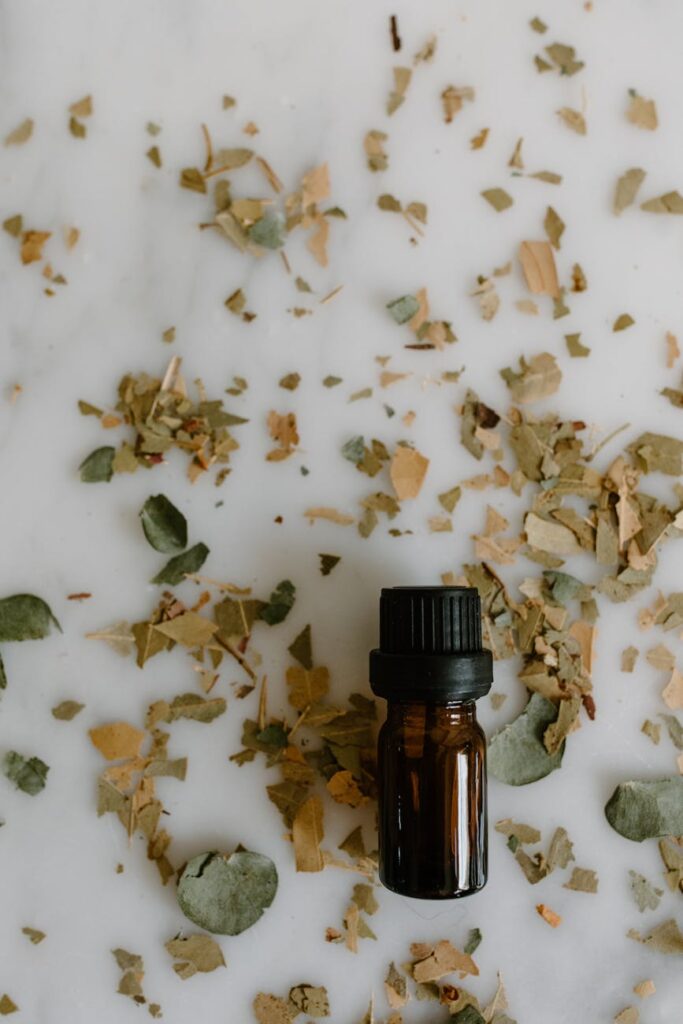
Essential oils should be stored in dark glass bottles, away from direct sunlight and heat. A cool, dark cabinet is an ideal location.
Shelf Life
The shelf life of essential oils varies by type but generally ranges from 1 to 5 years. Citrus oils tend to have a shorter shelf life due to their high volatility, while oils like patchouli and sandalwood can last much longer. Always check for changes in scent or consistency, which may indicate that the oil has expired.
Frequently Asked Questions
What are the best essential oils for immune support?
Common essential oils recognized for their immune-supporting properties include tea tree, eucalyptus, lemon, and oregano.
How can I safely use essential oils?
Always dilute essential oils before applying them to the skin, perform a patch test, and consult guidelines for any contraindications.
Can I use essential oils during pregnancy?
Some essential oils are not recommended during pregnancy. It is essential to consult with a healthcare professional and refer to reliable sources for safe options.
How do I create my own DIY aromatherapy recipe?
To create a DIY recipe, select essential oils with desired properties, determine a suitable dilution ratio, and choose an application method (such as diffusion or topical use).
Are there any side effects to using essential oils?
While generally safe, some individuals may experience skin sensitivity or allergic reactions. Always perform a patch test and consult reputable resources for guidance.
Conclusion
The history of DIY aromatherapy recipes for seasonal immune boosting is steeped in tradition and knowledge passed down through generations. As more individuals seek natural methods for maintaining health, understanding the origins and applications of essential oils can empower them to make informed choices. By embracing the art of creating personalized blends, individuals can harness the power of nature to support their well-being through every season.