
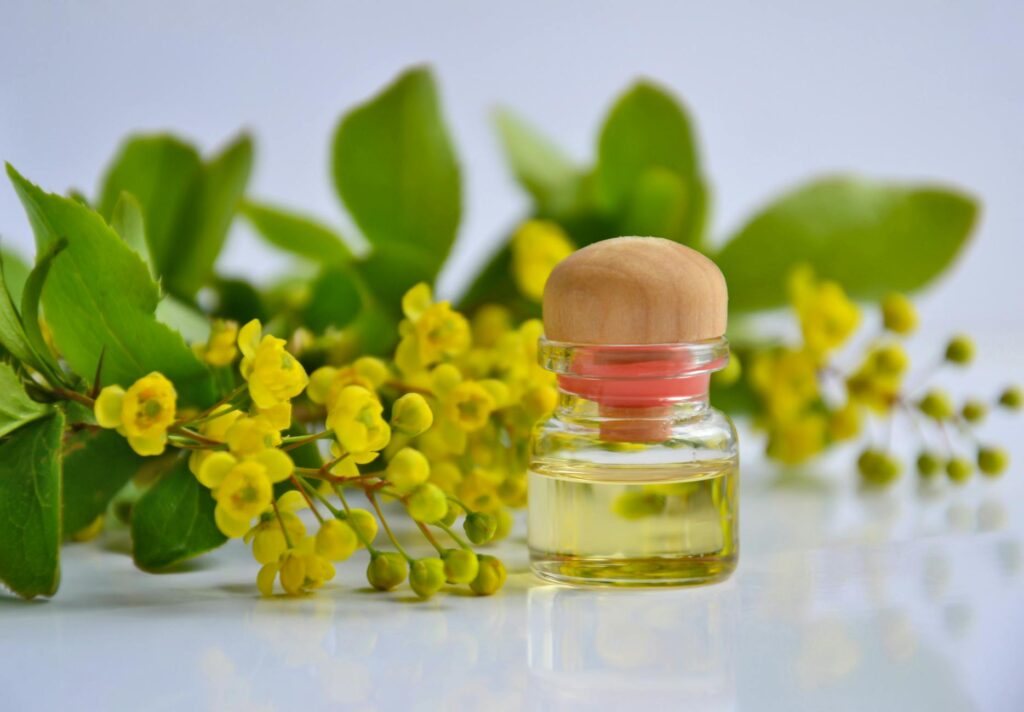
History and Origins of DIY Aromatherapy Recipes for Seasonal Mood Stabilization
Introduction
Aromatherapy, the practice of using essential oils derived from plants to promote physical and emotional well-being, has a rich history that spans thousands of years. As societies have evolved, so too have the methods of utilizing these natural substances. Today, DIY aromatherapy recipes for seasonal mood stabilization offer a creative and personal approach to managing emotional well-being, particularly during times of seasonal change. Understanding the historical context, benefits, and practical applications of these recipes can enhance the experience and effectiveness of aromatherapy in daily life.
What Is DIY Aromatherapy Recipes for Seasonal Mood Stabilization?
DIY aromatherapy recipes are formulations crafted using essential oils that individuals can prepare at home. These recipes are specifically designed to address mood fluctuations often experienced during seasonal transitions, such as the move from winter to spring or summer to fall. Seasonal mood changes can be influenced by various factors, including changes in light, temperature, and humidity, which can affect emotional and psychological states. By harnessing the therapeutic properties of essential oils, individuals can create their own blends to support emotional stability.
Key Benefits and Properties
The benefits of DIY aromatherapy recipes for seasonal mood stabilization are diverse and multifaceted:
1. Emotional Balance: Certain essential oils are known for their uplifting properties, helping to alleviate feelings of sadness or anxiety. Oils such as bergamot and lavender can promote a sense of calm and tranquility.
2. Stress Reduction: Aromatherapy can serve as a powerful tool for stress management. Oils like frankincense and chamomile are often used for their calming effects.
3. Improved Sleep: Many individuals experience sleep disturbances during seasonal changes. Essential oils such as cedarwood and valerian root may aid in fostering a restful night’s sleep.
4. Enhanced Focus and Clarity: Certain oils, including peppermint and rosemary, are believed to promote concentration and mental clarity, counteracting the sluggishness that can accompany seasonal transitions.
5. Holistic Well-being: The practice of creating personalized blends can foster a sense of empowerment and creativity, contributing to overall well-being.
Common Uses
DIY aromatherapy recipes for seasonal mood stabilization can be utilized in various ways:
- Diffusion: Adding a few drops of essential oil to a diffuser can fill a space with uplifting aromas, creating a calming environment.
- Topical Application: Blending essential oils with a carrier oil, such as jojoba or sweet almond oil, allows for safe application on the skin. Common areas for application include pulse points and the back of the neck.
- Bath Soaks: Incorporating essential oils into a warm bath can create a serene and relaxing atmosphere, ideal for unwinding after a long day.
- Inhalation: Direct inhalation of essential oils from the bottle or a cotton ball can provide immediate relief from feelings of stress or anxiety.
- DIY Room Sprays: Creating a room spray with essential oils and water can refresh living spaces while offering mood-enhancing properties.
- Lavender (Lavandula angustifolia): Known for its calming properties, lavender can soothe anxiety and promote relaxation. It is often used in blends aimed at reducing stress and improving sleep quality.
- Bergamot (Citrus bergamia): This citrus oil is celebrated for its uplifting qualities, making it an excellent choice for combating feelings of sadness or lethargy.
- Frankincense (Boswellia carterii): With its grounding scent, frankincense can help stabilize emotions, making it suitable for meditation and mindfulness practices.
- Peppermint (Mentha × piperita): This invigorating oil can enhance focus and alertness, counteracting the fatigue that can accompany seasonal shifts.
- Chamomile (Matricaria chamomilla): Chamomile is known for its calming effects, making it ideal for blends designed to ease tension and promote emotional balance.
- Citrus Oils: Typically have a shorter shelf life of about 1-2 years due to their volatile nature.
- Woodsy Oils: Oils like cedarwood can last up to 4-6 years if stored correctly.
- Floral Oils: Oils such as lavender tend to have a shelf life of 3-4 years.
- Keep them tightly sealed when not in use.
- Store them in a dark, cool environment away from direct sunlight and heat sources.
- Periodically check for changes in scent or viscosity, which may indicate spoilage.
Aromatherapy Applications
Creating effective DIY aromatherapy recipes involves understanding which essential oils are best suited for specific emotional needs. Here are some popular essential oils and their applications for seasonal mood stabilization:
Safety Considerations
While essential oils can provide numerous benefits, it is essential to approach their use with caution:
1. Dilution: Always dilute essential oils with a carrier oil before topical application to prevent skin irritation.
2. Quality of Oils: Use high-quality, pure essential oils to ensure safety and effectiveness. Look for oils that are free of synthetic additives and fillers.
3. Allergies and Sensitivities: Conduct a patch test before using a new oil to check for any adverse reactions, especially for individuals with sensitive skin or allergies.
4. Avoiding Certain Populations: Some essential oils are not recommended for use during pregnancy, for young children, or for individuals with specific health conditions. Research and consult reputable sources before use.
5. Storage: Store essential oils in dark glass bottles in a cool, dark place to maintain their potency and effectiveness.
Storage and Shelf Life
The shelf life of essential oils can vary depending on the type of oil and storage conditions. In general:
To maximize the lifespan of essential oils:
Frequently Asked Questions
What is the difference between essential oils and fragrance oils?
Essential oils are derived from the natural extracts of plants, while fragrance oils are synthetic compounds designed to mimic scents. Essential oils offer therapeutic benefits, whereas fragrance oils do not possess the same properties.
Can I use essential oils if I have allergies?
It depends on the type of allergy. Some individuals may have sensitivities to specific essential oils. It is advisable to perform a patch test and consult with a healthcare provider if you have concerns.
How do I know which essential oils to use?
Consider your emotional needs and the desired outcome. Research the properties of different essential oils to find those that align with your goals for mood stabilization.
Can I combine different essential oils in a blend?
Yes, combining essential oils can create synergistic effects and enhance their benefits. However, start with small amounts to ensure the blend is pleasing and effective for you.
What if I don’t like the smell of certain essential oils?
Aromatherapy is highly personal, and it’s essential to choose scents that resonate with you. If a particular oil does not appeal to you, explore alternatives that may offer similar benefits.
Conclusion
DIY aromatherapy recipes for seasonal mood stabilization reflect a harmonious blend of ancient wisdom and modern practice. By understanding the history, benefits, and applications of essential oils, individuals can create tailored experiences that support emotional well-being. As you embark on your aromatherapy journey, remember to approach it with mindfulness and creativity, allowing nature’s fragrant offerings to enhance your seasonal transitions.