
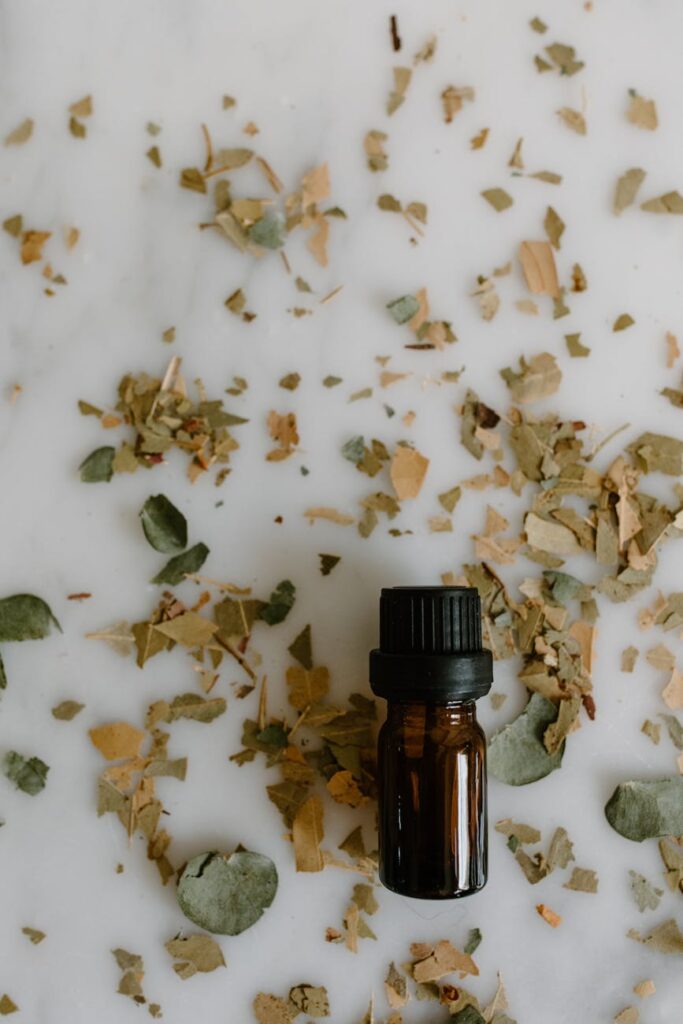
History and Origins of DIY Aromatherapy Recipes for Seasonal Mood Support with Herbal Blends
Introduction
Aromatherapy, the practice of using essential oils and plant extracts to enhance physical and emotional well-being, has a rich history that dates back thousands of years. As seasonal changes can have a profound impact on individual mood and overall mental health, the use of herbal blends in DIY aromatherapy recipes has become a popular method for seasonal mood support. This article explores the history and origins of these practices, detailing the benefits, common uses, and safety considerations associated with DIY aromatherapy.
What Is DIY Aromatherapy Recipes for Seasonal Mood Support with Herbal Blends?
DIY aromatherapy refers to the practice of creating personalized blends of essential oils and herbal extracts at home. These blends can be tailored to address specific needs, including seasonal mood fluctuations that often arise during transitions such as winter’s onset or the arrival of spring. Seasonal mood support typically focuses on alleviating feelings of sadness, anxiety, or lethargy, which can be exacerbated by factors like shorter daylight hours or environmental changes.
The use of herbal blends—comprising essential oils, dried herbs, and sometimes carrier oils—amplifies the potential benefits of aromatherapy. By harnessing the therapeutic properties of various plants, individuals can create unique formulations that resonate with their personal preferences and emotional states.
Key Benefits and Properties
The benefits of using DIY aromatherapy recipes for seasonal mood support are numerous:
1. Emotional Balance: Certain essential oils, such as lavender and bergamot, are known for their calming effects, which can help stabilize emotions during seasonal transitions.
2. Stress Reduction: Aromatherapy can promote relaxation, reducing stress levels that often accompany seasonal changes. Oils like chamomile and frankincense have been recognized for their anxiety-reducing properties.
3. Enhanced Focus: During seasons characterized by lethargy, certain oils like peppermint and rosemary can invigorate the senses, enhancing concentration and mental clarity.
4. Mood Elevation: Citrus oils, including orange and lemon, are often used to uplift spirits and combat feelings of sadness, making them ideal for winter months.
5. Holistic Well-Being: The synergistic effect of combining various herbal elements can lead to a more holistic approach to emotional health, allowing individuals to connect with nature and their own well-being.
Common Uses
DIY aromatherapy recipes can be utilized in various forms:
- Diffusion: Using an essential oil diffuser, individuals can disperse the aromatic properties of their herbal blends throughout a room, creating a calming environment.
- Topical Application: Blending essential oils with carrier oils, such as jojoba or sweet almond oil, allows for direct application on the skin. This method is often used for localized effects, such as applying to pulse points.
- Bath Blends: Adding essential oils to bathwater can provide a soothing and aromatherapeutic experience, perfect for unwinding after a long day.
- Inhalation: Direct inhalation from a tissue or a personal inhaler can provide immediate mood support, particularly useful during stressful moments.
- Potpourri: Dried herbs and essential oils can be combined to create potpourri, offering a continuous release of fragrance that can enhance the atmosphere of any space.
- Base Oil: Choose a carrier oil for topical applications (e.g., fractionated coconut oil).
- Essential Oil Ratios: A common ratio is 3-5 drops of essential oil per tablespoon of carrier oil.
- Testing: Create small batches to test efficacy and aroma before scaling up.
- Citrus Oils: Typically last 1-2 years.
- Herbaceous Oils: Such as lavender and rosemary, can last up to 4 years.
- Woodsy Oils: Like cedarwood and sandalwood, can last up to 5 years.
Aromatherapy Applications
The application of DIY aromatherapy recipes is diverse and can be tailored to personal preferences:
Seasonal Blends for Mood Support
1. Winter Warmth Blend: Combine cinnamon, clove, and orange essential oils for a cozy aroma that can combat winter blues.
2. Spring Awakening Blend: A blend of lemon, grapefruit, and rosemary can invigorate the senses and signify renewal as winter gives way to spring.
3. Summer Calm Blend: Lavender and geranium oils can provide a refreshing and calming effect during the often hectic summer months.
4. Autumn Comfort Blend: A mixture of cedarwood, bergamot, and nutmeg can create a warm and comforting atmosphere as the days grow shorter.
Crafting Your Own Blends
Creating personalized blends involves experimentation. Start by selecting a base oil and a few essential oils that resonate with your desired mood. Use the following guidelines:
Safety Considerations
While DIY aromatherapy can be beneficial, safety is paramount:
1. Dilution: Always dilute essential oils in a carrier oil before applying to the skin to prevent irritation. A general guideline is a 2% dilution for adults, which equates to about 12 drops of essential oil per ounce of carrier oil.
2. Sensitivity Testing: Conduct a patch test on a small area of skin to check for adverse reactions before widespread use.
3. Quality of Ingredients: Use high-quality, pure essential oils from reputable suppliers to avoid contamination.
4. Avoiding Certain Groups: Pregnant women, nursing mothers, and individuals with certain health conditions should consult a qualified practitioner before using essential oils.
5. Storage: Proper storage of essential oils and blends is essential for maintaining their efficacy. Store them in dark glass bottles, away from sunlight and heat.
Storage and Shelf Life
The shelf life of essential oils varies based on the type and storage conditions:
To ensure maximum potency, store essential oils in a cool, dark place, tightly sealed to minimize exposure to air and moisture.
Frequently Asked Questions
1. Can I use any essential oil for seasonal mood support?
While many essential oils can be supportive, it is beneficial to choose those known for their specific properties, such as calming oils for anxiety or uplifting oils for low mood.
2. How can I determine which essential oils work best for me?
Personal preference plays a significant role. Experiment with different oils and blends to see which aromas resonate with you and positively influence your mood.
3. Are there any contraindications for using essential oils?
Yes, some essential oils may not be suitable for everyone, particularly those with allergies, pregnant individuals, or those with certain health conditions. It’s essential to research or consult a knowledgeable practitioner.
4. How can I incorporate aromatherapy into my daily routine?
Simple daily practices, such as adding a few drops of essential oil to your morning shower, using a diffuser while working, or applying a calming blend before bed, can easily integrate aromatherapy into your life.
5. Is it necessary to use a carrier oil for topical applications?
Yes, diluting essential oils in a carrier oil is crucial for safe application on the skin. This helps prevent irritation and enhances absorption.
Conclusion
The art of crafting DIY aromatherapy recipes for seasonal mood support with herbal blends is steeped in history and tradition. By understanding the properties and applications of various essential oils, individuals can create personalized formulations that enhance emotional well-being during seasonal transitions. As interest in natural wellness continues to grow, DIY aromatherapy remains a valuable and accessible practice, allowing individuals to connect with nature and cultivate balance in their lives.