
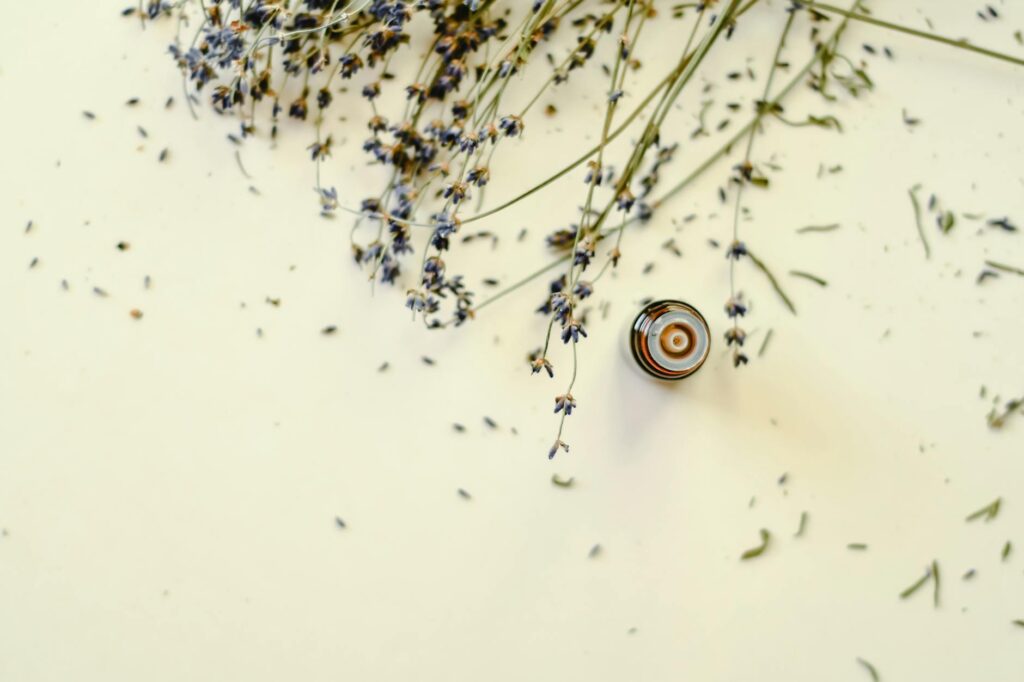
History and Origins of DIY Aromatherapy Recipes for Seasonal Mood Support with Lavender Oil
Introduction
Aromatherapy, the practice of using aromatic plant extracts for therapeutic purposes, has roots that stretch back thousands of years. Among the myriad of essential oils used in this ancient art, lavender oil stands out for its versatility and wide range of emotional and physical benefits. This article explores the history and origins of DIY aromatherapy recipes specifically tailored for seasonal mood support using lavender oil.
What Is DIY Aromatherapy Recipes for Seasonal Mood Support with Lavender Oil?
DIY aromatherapy recipes utilize essential oils, such as lavender, to create personalized blends that can enhance mood, reduce stress, and promote emotional well-being. Seasonal mood support refers to the practice of using these recipes to help manage the emotional fluctuations that can occur during different times of the year, particularly during transitions between seasons. Lavender oil, with its calming and soothing properties, is frequently employed in these DIY recipes to foster a sense of tranquility and balance.
Key Benefits and Properties
Historical Context
The use of lavender dates back to ancient civilizations, including the Egyptians, Romans, and Greeks. Lavender was prized for its fragrant properties and was often used in baths, perfumes, and as a natural remedy to alleviate various ailments. Its calming scent has made it a staple in aromatherapy for centuries, reinforcing its status as a go-to essential oil for emotional support.
Benefits of Lavender Oil
1. Calming and Relaxing: Lavender oil is widely recognized for its ability to promote relaxation and reduce anxiety. Its scent can evoke feelings of calm, making it beneficial during stressful times or seasonal transitions.
2. Mood Enhancement: Research has suggested that lavender oil may help improve mood and alleviate feelings of sadness or melancholy, particularly during the winter months when Seasonal Affective Disorder (SAD) can be prevalent.
3. Sleep Support: Many people use lavender oil to improve sleep quality. Its soothing aroma can create a tranquil environment conducive to restful sleep, which is essential for emotional well-being.
4. Stress Reduction: Lavender oil has been noted for its potential to lower stress levels. Inhaling its scent may trigger a physiological response that promotes relaxation.
Common Uses
Lavender oil can be utilized in various ways, making it a versatile component of DIY aromatherapy recipes. Common uses include:
- Diffusion: Adding a few drops of lavender oil to a diffuser can fill a space with its calming aroma, making it ideal for relaxation or meditation.
- Topical Applications: Lavender oil can be used in carrier oils for massage or applied to pulse points for a calming effect.
- Baths and Body Care: Incorporating lavender oil into bath products or body lotions can enhance relaxation and provide nourishment to the skin.
- Inhalation: Inhaling lavender oil directly from the bottle or through a cotton ball can provide immediate stress relief.
- Candle Making: DIY candles infused with lavender oil can create a soothing ambiance, making them perfect for seasonal relaxation.
- Ingredients:
- 10 ml roller bottle
- 10 drops of lavender essential oil
- 10 ml carrier oil (such as sweet almond or jojoba oil)
- Instructions: Combine lavender oil with the carrier oil in the roller bottle. Apply to pulse points as needed for stress relief.
- Ingredients:
- 1 cup Epsom salt
- 10 drops of lavender essential oil
- Dried lavender buds (optional)
- Instructions: Mix Epsom salt with lavender oil and dried buds. Add to a warm bath to promote relaxation.
- Ingredients:
- 1 cup distilled water
- 10 drops of lavender essential oil
- 1 tablespoon vodka or witch hazel (as a preservative)
- Instructions: Combine all ingredients in a spray bottle. Shake well before each use and spray around the room for a calming atmosphere.
- Ingredients:
- Dried lavender buds
- Small fabric pouch
- 5 drops of lavender essential oil
- Instructions: Fill the pouch with dried lavender buds and add essential oil. Place it under your pillow to promote restful sleep.
- Dilution: Always dilute essential oils with a carrier oil before applying them to the skin to prevent irritation.
- Patch Test: Conduct a patch test on a small area of skin to check for any allergic reactions before widespread use.
- Consultation: If you are pregnant, nursing, or have existing health conditions, consult a healthcare professional before using lavender oil.
- Storage: Keep essential oils out of reach of children and pets, as they can be harmful if ingested or improperly used.
Aromatherapy Applications
DIY Recipes for Seasonal Mood Support with Lavender Oil
1. Lavender Calming Roll-On
2. Lavender Bath Soak
3. Lavender Room Spray
4. Lavender Sleep Pillow
Safety Considerations
While lavender oil is generally considered safe for most individuals, it is essential to adhere to safety guidelines when using essential oils:
Storage and Shelf Life
Proper storage of lavender oil is crucial for maintaining its quality and potency. Essential oils should be kept in a cool, dark place, away from direct sunlight and heat sources. When stored correctly, lavender oil can last for several years. However, it is advisable to check for changes in scent, color, or viscosity, as these may indicate that the oil has deteriorated.
Frequently Asked Questions
1. Can lavender oil help with anxiety?
Lavender oil is frequently used for its calming properties and may help reduce feelings of anxiety in some individuals. However, individual responses can vary.
2. Is lavender oil safe for children?
While lavender oil is generally considered safe for children, it is essential to dilute it properly and consult a healthcare professional for guidance on usage.
3. How can I incorporate lavender oil into my daily routine?
Lavender oil can be incorporated into your daily routine through various methods, including diffusion, topical applications, and adding it to personal care products.
4. Can I blend lavender oil with other essential oils?
Yes, lavender oil blends well with many other essential oils, such as bergamot, chamomile, and lemon. Experimenting with different combinations can yield unique aromas and effects.
5. How can I tell if my lavender oil is of good quality?
Quality lavender oil should have a pure, fresh aroma, without any synthetic fragrances. Look for oils labeled as 100% pure essential oil, and consider sourcing from reputable brands.
Conclusion
Lavender oil has a rich history and remains a cornerstone of aromatherapy practices today. Its calming properties and versatility make it an ideal choice for DIY recipes aimed at seasonal mood support. By understanding its benefits, applications, and safety considerations, individuals can harness the power of lavender oil to enhance their emotional well-being throughout the year. Whether through diffusion, topical application, or incorporation into personal care products, the soothing scent of lavender can provide a much-needed respite from the stresses of life.