
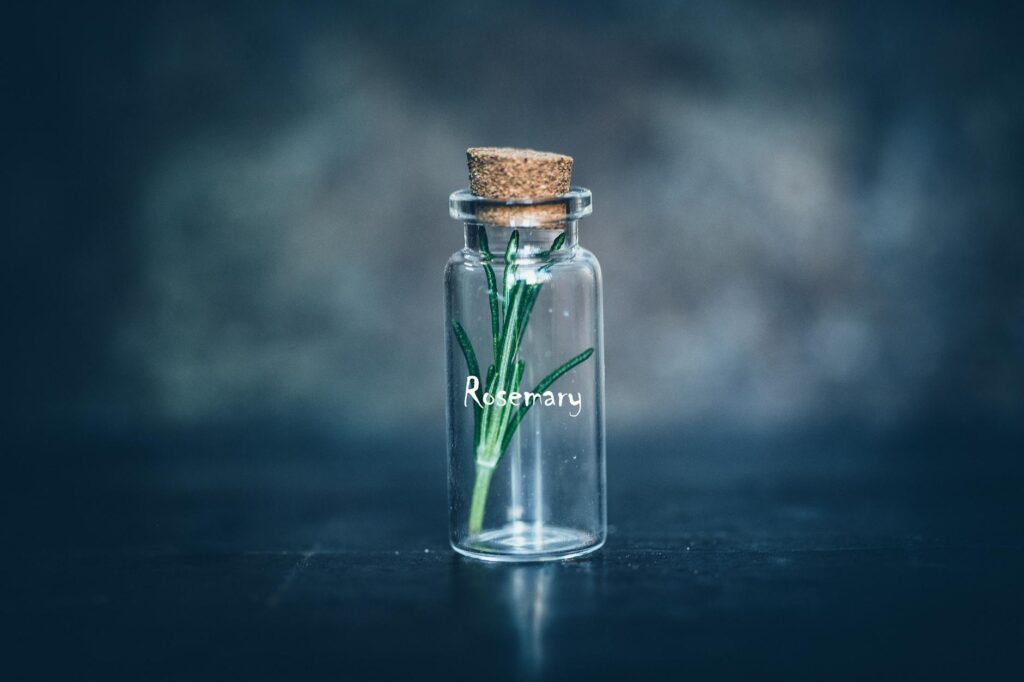
History and Origins of DIY Aromatherapy Recipes for Seasonal Mood Support with Rosemary Oil
Introduction
Aromatherapy, the practice of using essential oils extracted from plants for therapeutic purposes, has a rich history that dates back thousands of years. Among the multitude of essential oils available, rosemary oil stands out for its aromatic properties and diverse applications. This article delves into the history and origins of DIY aromatherapy recipes for seasonal mood support specifically using rosemary oil.
What Is DIY Aromatherapy Recipes for Seasonal Mood Support with Rosemary Oil?
DIY aromatherapy recipes harness the power of essential oils to create personalized blends that can enhance mood and well-being. Rosemary (Rosmarinus officinalis) has been revered in various cultures for its invigorating aroma and potential emotional benefits. Seasonal mood support refers to the use of essential oils to help individuals navigate the emotional fluctuations that can occur with changes in seasons, particularly during winter and early spring when seasonal affective disorder (SAD) may be more prevalent.
DIY recipes involving rosemary oil can be simple to create and are designed to be tailored to individual preferences and needs. These recipes blend rosemary with other essential oils and base ingredients to create a variety of products, such as diffusions, topical applications, and room sprays.
Key Benefits and Properties
Rosemary oil is celebrated for its numerous properties that contribute to mood enhancement:
1. Cognitive Support: Studies suggest that rosemary oil may help improve concentration and memory retention, making it beneficial during periods of low motivation.
2. Energizing Aroma: Its refreshing scent can stimulate the senses, counteracting feelings of fatigue and lethargy often experienced during darker months.
3. Emotional Balance: Rosemary is traditionally associated with emotional clarity and stability, which can assist in alleviating feelings of anxiety or stress.
4. Antioxidant Properties: Rosemary oil contains compounds such as rosmarinic acid, which may offer protective benefits against oxidative stress, contributing to overall well-being.
5. Anti-inflammatory Effects: While primarily recognized for its aromatic properties, rosemary’s potential anti-inflammatory effects can support physical comfort, enhancing overall mood.
Common Uses
In the realm of aromatherapy, rosemary oil is commonly used in various applications. Some of the most prevalent uses include:
- Diffusion: When diffused into the air, rosemary oil can create an uplifting atmosphere, making it a popular choice for workspaces or study areas.
- Massage Oil: When diluted with a carrier oil, rosemary can be used in massage to alleviate tension and promote relaxation.
- Bathing: Adding rosemary oil to bathwater can create a rejuvenating experience, enhancing both physical and emotional relaxation.
- Inhalation: Direct inhalation of rosemary oil from the bottle or through steam inhalation can provide immediate mood support.
- Room Sprays: Combining rosemary with water and a small amount of alcohol or solubilizer can create a refreshing room spray, ideal for personal spaces.
- 3 drops of rosemary essential oil
- 3 drops of lemon essential oil
- 2 drops of sweet orange essential oil
- 100 ml of water
- 5 drops of rosemary essential oil
- 10 ml of sweet almond oil (or any carrier oil of choice)
- 5 drops of rosemary essential oil
- 2 tablespoons of Epsom salt
- 2 tablespoons of coconut oil
- 5 drops of rosemary essential oil
- 5 drops of lavender essential oil
- 100 ml of distilled water
- 10 ml of vodka (as a preservative)
- Dilution: Always dilute essential oils before topical application to avoid skin irritation.
- Pregnancy and Nursing: Pregnant or nursing women should consult a healthcare provider before using rosemary oil.
- Allergies: Conduct a patch test on a small area of skin to ensure there are no allergic reactions.
- Medical Conditions: Individuals with epilepsy or hypertension should use rosemary oil with caution, as it may exacerbate certain conditions.
Aromatherapy Applications
Creating DIY aromatherapy recipes with rosemary oil can be both an enjoyable and therapeutic endeavor. Below are a few popular applications:
1. Rosemary and Citrus Diffuser Blend
Combine rosemary oil with uplifting citrus oils such as lemon or orange. This blend is perfect for creating a vibrant atmosphere during seasonal transitions.
Ingredients:
Instructions:
Add essential oils to a diffuser filled with water and enjoy the invigorating aroma.
2. Energizing Massage Oil
This recipe combines rosemary oil with a carrier oil to create a rejuvenating massage blend.
Ingredients:
Instructions:
Mix the ingredients in a small glass bottle. Use a small amount for massage, focusing on areas of tension.
3. Rosemary Bath Soak
Transform your bath into a sanctuary with this soothing soak.
Ingredients:
Instructions:
Combine ingredients and add to your bathwater. Soak for at least 20 minutes to enjoy the benefits.
4. Seasonal Mood Room Spray
This simple room spray can help to uplift your environment.
Ingredients:
Instructions:
Mix ingredients in a spray bottle and shake well before use. Spray around your room as desired.
Safety Considerations
While rosemary oil is generally safe for most individuals, certain precautions should be taken:
Storage and Shelf Life
Proper storage is essential to maintain the efficacy of rosemary oil and DIY blends. Essential oils should be stored in a cool, dark place, away from direct sunlight and heat. Glass containers are preferable to plastic, as they prevent the leaching of chemicals.
Typically, the shelf life of rosemary oil is about 2-3 years if stored correctly. DIY blends may have varying shelf lives depending on the ingredients used, but they should ideally be used within 6 months for optimal freshness.
Frequently Asked Questions
1. Can rosemary oil be used in cooking?
While rosemary essential oil is derived from the same plant as culinary rosemary, it is highly concentrated and not recommended for culinary use. Instead, use fresh or dried rosemary in cooking.
2. Is rosemary oil safe for children?
Caution is advised when using essential oils with children. Rosemary oil is generally not recommended for children under the age of 2. Consult a qualified aromatherapist or healthcare provider for guidance.
3. Can I mix rosemary oil with other essential oils?
Yes, rosemary oil blends well with many other essential oils, including lavender, peppermint, and citrus oils. Experimenting with different combinations can yield unique aromas and benefits.
4. What should I do if I experience a reaction to rosemary oil?
If you experience any adverse reactions, such as skin irritation or respiratory discomfort, discontinue use immediately and consult a healthcare professional if necessary.
5. How can I incorporate rosemary oil into my daily routine?
Incorporating rosemary oil can be as simple as adding a few drops to your diffuser during work hours or using it in a massage after a long day. Regular use can help cultivate a positive mood and promote overall well-being.
Conclusion
The history and applications of rosemary oil in DIY aromatherapy recipes for seasonal mood support reveal its enduring significance in holistic wellness practices. As individuals seek natural ways to enhance their emotional well-being, rosemary oil serves as a versatile and beneficial option. By understanding its properties and utilizing simple recipes, anyone can create personalized aromatherapy experiences that support mood and vitality throughout the changing seasons.