
History and Origins of DIY Aromatherapy Recipes for Seasonal Skin Protection
Introduction
Aromatherapy, the practice of using essential oils for therapeutic benefits, has roots that stretch back thousands of years. From ancient Egypt to modern holistic wellness practices, the use of aromatic plant extracts has played a significant role in personal care and skin protection. This article explores the history and origins of DIY aromatherapy recipes specifically designed for seasonal skin protection, emphasizing their evolution and relevance in contemporary skincare routines.
What Is DIY Aromatherapy Recipes for Seasonal Skin Protection?
DIY aromatherapy recipes for seasonal skin protection refer to customized blends of essential oils and carrier oils that individuals can create to safeguard their skin from environmental factors during different seasons. Seasonal changes, such as shifts in temperature, humidity, and sunlight exposure, can impact skin health. Consequently, these recipes often combine various essential oils known for their protective, nourishing, and soothing properties.
The DIY aspect allows individuals to tailor their skincare regimen to their personal needs, preferences, and the specific challenges posed by each season, such as dryness in winter or sun exposure in summer.
Key Benefits and Properties
Nourishment and Hydration
Essential oils can offer a range of benefits that promote skin health. For example, oils such as lavender and chamomile possess soothing properties that help alleviate irritation, while oils like sweet almond and jojoba provide moisture and nourishment. These oils can help maintain skin’s hydration levels, which is particularly important during dry winter months.
Antioxidant Protection
Many essential oils are rich in antioxidants, which can combat free radicals and reduce oxidative stress on the skin. Oils like frankincense and rose can contribute to a more youthful appearance by promoting skin elasticity and reducing signs of aging.
Antimicrobial Properties
Certain essential oils, including tea tree and eucalyptus, have known antimicrobial properties. These qualities can be beneficial for skin protection during seasons when bacteria and fungi proliferate, such as warmer months when sweating increases.
Calming Effects
The aromatic nature of essential oils also contributes to emotional well-being. Scents such as bergamot and geranium can uplift mood and reduce stress, which can indirectly benefit skin health, as emotional stress is known to exacerbate various skin conditions.
Common Uses
Seasonal Skin Balancing
As seasons change, so do our skin’s requirements. For instance, the transition from winter to spring often brings about a need for lighter moisturizers that can still offer protection against UV rays and environmental stressors. DIY recipes can include lighter oils like grapeseed or fractionated coconut oil, which can be easily absorbed.
Sun Protection
In summer, skin protection against UV rays becomes critical. While essential oils cannot replace sunscreen, certain oils like carrot seed and helichrysum may enhance the skin’s resilience against sun damage. DIY recipes can incorporate these oils into formulations that complement traditional sunscreen.
Cold Weather Defense
During the colder months, skin often suffers from dryness and irritation. DIY recipes for winter may include thicker carrier oils like shea butter or coconut oil combined with warming essential oils such as cinnamon or ginger to enhance circulation and provide comfort.
Seasonal Scenting
In addition to their protective properties, essential oils can also be used to create seasonal scents that enhance the ambiance of a home or personal space. For example, blending citrus oils in the summer can evoke freshness, while using woodsy oils in the fall can create a cozy atmosphere.
Aromatherapy Applications
Topical Application
One of the most popular methods of using DIY aromatherapy recipes is through topical application. Blending essential oils with carrier oils allows for direct application to the skin, providing localized benefits. Always conduct a patch test to ensure that there is no adverse reaction.
Diffusion
Diffusing essential oils in a room can enhance the atmosphere and provide emotional support. This method is especially useful during transitional seasons when mood changes are common. Blending seasonal oils can create a comforting environment, promoting relaxation and well-being.
Bathing
Incorporating essential oils into baths is another effective method for seasonal skin protection. Adding a few drops of blended oils to bathwater can help soothe and hydrate the skin while providing a calming aromatherapy experience.
Inhalation
Direct inhalation of essential oils, through methods such as steam inhalation or simply placing a few drops onto a tissue, can offer immediate aromatic benefits. This practice can be beneficial during seasonal transitions when respiratory health may also be a concern.
Safety Considerations
While essential oils can offer numerous benefits, it is crucial to approach their use with caution:
1. Dilution: Essential oils should always be diluted with a carrier oil before topical application to minimize the risk of skin irritation or sensitization.
2. Patch Testing: Conduct a patch test on a small area of skin before using a new essential oil to ensure there is no allergic reaction.
3. Pregnancy and Nursing: Some essential oils may not be safe for use during pregnancy or breastfeeding. It is advisable to consult a healthcare professional before use.
4. Photosensitivity: Certain essential oils, particularly citrus oils, can cause photosensitivity. Avoid sun exposure after applying these oils to the skin.
5. Quality of Oils: Use high-quality, pure essential oils from reputable sources to ensure safety and efficacy.
Storage and Shelf Life
Proper storage of essential oils and DIY blends is crucial to maintain their potency and effectiveness. Here are some guidelines:
1. Cool, Dark Place: Store essential oils in a cool, dark place away from direct sunlight and heat sources to prevent degradation.
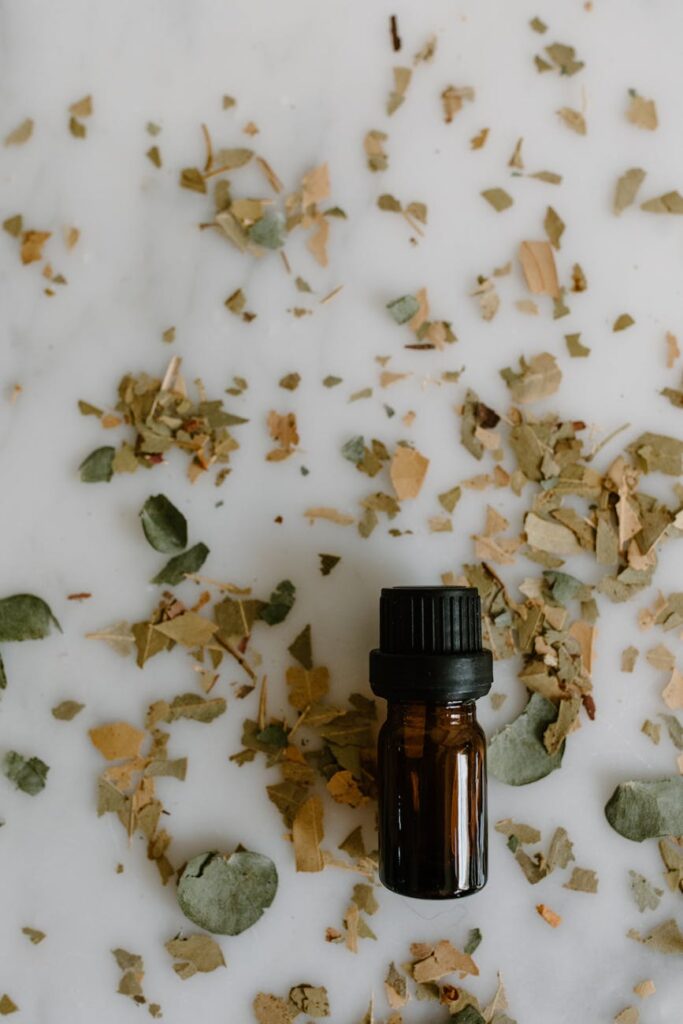
2. Glass Containers: Use amber or cobalt glass bottles for storage, as these types of glass protect essential oils from light exposure.
3. Seal Tightly: Ensure that bottles are tightly sealed to prevent evaporation and contamination.
4. Shelf Life: Most essential oils have a shelf life of 1 to 3 years, though some oils like citrus may have a shorter lifespan. Always check for signs of rancidity or change in scent before use.
Frequently Asked Questions
Can anyone use essential oils for skin protection?
While many people can benefit from essential oils, those with specific skin conditions, allergies, or sensitivities should consult a healthcare professional before use.
Are DIY recipes as effective as commercial products?
DIY recipes can be effective, but their efficacy may vary based on the quality of the ingredients and the user’s skin type. Commercial products may also offer more consistent formulations.
Which essential oils are best for seasonal skin protection?
Popular choices include lavender for soothing, tea tree for its antimicrobial properties, and frankincense for its rejuvenating effects. However, the best oils depend on individual skin needs and seasonal challenges.
How can I customize my DIY recipes?
Customization can be achieved by blending various essential oils according to specific skin needs. Experimenting with different carrier oils can also enhance the recipe’s effectiveness.
What should I do if I experience irritation?
If irritation occurs, discontinue use immediately and wash the area with mild soap and water. If necessary, consult a healthcare professional for further guidance.
Conclusion
The practice of creating DIY aromatherapy recipes for seasonal skin protection is rooted in a rich history of herbalism and natural wellness. As consumers become increasingly aware of the benefits of essential oils, these homemade formulations offer a personalized approach to skincare that aligns with individual needs and seasonal changes. Understanding the properties and proper usage of essential oils can empower individuals to create effective, safe, and enjoyable skincare routines that enhance their overall well-being.