
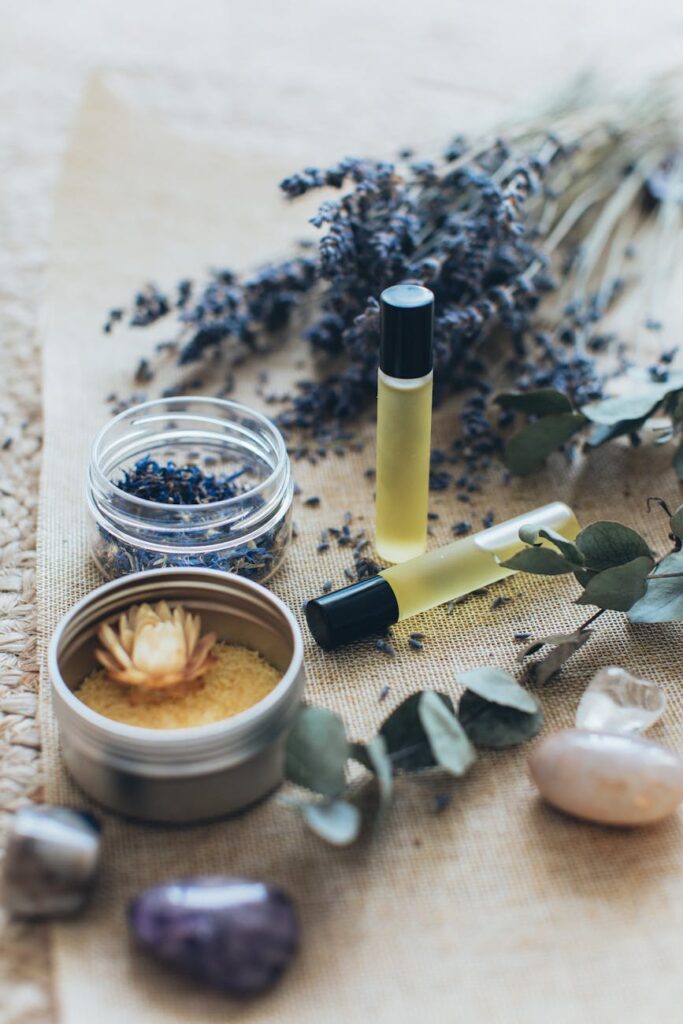
History and Origins of DIY Aromatherapy Recipes for Skin Healing with Lavender Oil
Introduction
Aromatherapy, a practice that utilizes essential oils for therapeutic purposes, has roots that stretch back thousands of years. Among the myriad of essential oils, lavender oil stands out for its versatile applications, particularly in skin healing. This article delves into the historical context of lavender oil within the realm of DIY aromatherapy, exploring its origins, benefits, common uses, and safety considerations.
What Is DIY Aromatherapy Recipes for Skin Healing with Lavender Oil?
DIY aromatherapy recipes involve blending essential oils with carrier oils or other base ingredients to create products tailored for personal use. Lavender oil, derived from the lavender plant (Lavandula angustifolia), is renowned for its soothing and calming properties. In the context of skin healing, lavender oil is often incorporated into various formulations aimed at addressing skin issues such as dryness, irritation, and minor wounds.
The practice of using lavender for its beneficial properties is not modern; it has been utilized in traditional medicine and skincare for centuries. DIY recipes allow individuals to harness these ancient traditions, creating personalized products that cater to their unique skin needs.
Key Benefits and Properties
Lavender oil is celebrated for its multitude of benefits, particularly in skin healing. Some of its key properties include:
- Antiseptic and Antifungal: Lavender oil has been shown to possess antimicrobial qualities, making it effective in preventing infections in minor cuts and scrapes.
- Anti-inflammatory: The oil can help reduce inflammation and soothe irritated skin, making it a popular choice for those with conditions like eczema or dermatitis.
- Calming and Relaxing: Beyond its physical benefits, lavender oil is known for its calming aroma, which can aid in reducing stress and promoting relaxation. This is particularly beneficial for individuals whose skin issues may be exacerbated by stress.
- Moisturizing: When combined with carrier oils, lavender can enhance the moisturizing properties of a formulation, helping to maintain skin hydration.
- Moisturizing Creams: Blending lavender oil with carrier oils like jojoba or sweet almond oil creates a hydrating cream that can soothe dry skin.
- Balms for Minor Cuts and Scrapes: A simple balm made with beeswax, coconut oil, and lavender can provide protective benefits for minor wounds.
- Soothing Bath Soaks: Adding lavender oil to a warm bath can create a relaxing experience while also providing skin-soothing properties.
- Facial Serums: Incorporating lavender oil into facial serums can help balance oily skin and reduce acne breakouts.
- Massage Oils: Lavender-infused massage oils can provide both skin nourishment and relaxation during therapeutic massage.
- Dilution: Essential oils should always be diluted with a carrier oil before topical application to prevent skin irritation. A common dilution ratio is 1-2 drops of essential oil per teaspoon of carrier oil.
- Patch Test: Before using lavender oil on larger skin areas, perform a patch test on a small area to check for any allergic reactions or sensitivities.
- Pregnancy and Nursing: Consult with a healthcare professional before using lavender oil during pregnancy or nursing.
- Children: Use caution when applying lavender oil to children, and consider using lower dilutions.
- Photosensitivity: While lavender oil does not typically cause photosensitivity, it is advisable to avoid sun exposure after topical application, especially when using other essential oils known for this property.
- Store in Dark Glass Containers: Essential oils should be stored in dark glass bottles to protect them from light, which can degrade their quality.
- Cool, Dry Place: Keep lavender oil in a cool, dry location away from direct sunlight and heat sources.
- Shelf Life: Pure lavender oil typically has a shelf life of 3-5 years. However, DIY recipes may have varying shelf lives depending on the other ingredients used. It is advisable to label homemade products with the date of creation and use them within 6-12 months for optimal freshness.
Common Uses
DIY aromatherapy recipes utilizing lavender oil can address a variety of skin concerns. Some common applications include:
Aromatherapy Applications
The versatility of lavender oil makes it suitable for various aromatherapy applications. Here are some methods of incorporating lavender into DIY recipes:
1. Diffusion: Adding a few drops of lavender oil to a diffuser can enhance the ambiance of a space while providing calming effects.
2. Topical Application: Lavender oil is often diluted with carrier oils for direct application onto the skin. This method is ideal for targeted areas, such as blemishes or dry patches.
3. Inhalation: Direct inhalation of lavender oil from the bottle or a cotton ball can provide immediate stress relief and promote a sense of calm.
4. Homemade Products: Incorporating lavender oil into homemade lotions, soaps, and creams allows individuals to customize their skincare routines while reaping the benefits of the oil.
Safety Considerations
While lavender oil is generally regarded as safe for most individuals, it is essential to consider safety guidelines when using any essential oil:
Storage and Shelf Life
Proper storage of lavender oil and DIY recipes is crucial to maintain their efficacy. Here are some recommendations:
Frequently Asked Questions
1. Can I use lavender oil directly on my skin?
While lavender oil is considered one of the safer essential oils for topical use, it should always be diluted with a carrier oil to minimize the risk of irritation.
2. What carrier oils work best with lavender oil?
Common carrier oils for blending with lavender oil include sweet almond oil, jojoba oil, coconut oil, and olive oil. Each carrier oil has its unique properties, so choose one that aligns with your skin’s needs.
3. Can lavender oil help with acne?
Lavender oil has antibacterial and anti-inflammatory properties, which may help reduce acne outbreaks. However, individual results may vary, and it is essential to patch test and monitor your skin’s response.
4. Is lavender oil safe for children?
Lavender oil can be used for children, but it is crucial to dilute it properly and consult with a healthcare professional for age-appropriate guidelines.
5. How can I incorporate lavender oil into my skincare routine?
Lavender oil can be used in various forms, including serums, creams, bath soaks, and massage oils. Experiment with different recipes to find what works best for your skin type.
Conclusion
Lavender oil’s rich history and wide-ranging applications in DIY aromatherapy make it a cherished ingredient for skin healing. By understanding its properties, benefits, and safe usage, individuals can create effective and personalized recipes that enhance their skincare routines. As you explore the world of lavender oil, remember the importance of experimentation and caution, paving the way for a holistic approach to skin health and wellness.