
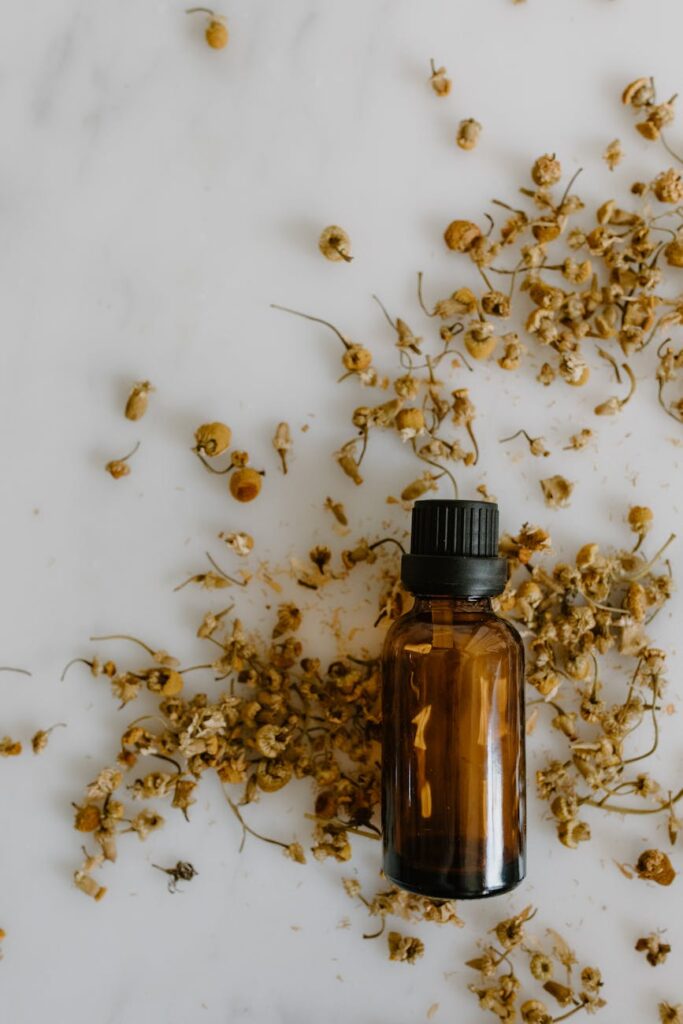
History and Origins of DIY Aromatherapy Recipes for Sleep Support with Chamomile Oil
Introduction
Aromatherapy, the therapeutic use of essential oils for physical and emotional wellness, has a rich and varied history that spans thousands of years. Among the myriad essential oils used in this practice, chamomile oil stands out due to its calming properties, particularly in promoting restful sleep. This article explores the history and origins of DIY aromatherapy recipes for sleep support using chamomile oil, offering insights into its key benefits, common uses, applications, and safety considerations.
What Is DIY Aromatherapy Recipes for Sleep Support with Chamomile Oil?
DIY aromatherapy recipes for sleep support involve creating personalized blends using essential oils, with chamomile oil being a key ingredient. Derived from the flowers of the Matricaria chamomilla or Chamaemelum nobile plants, chamomile oil has been cherished for its soothing qualities. In the context of sleep support, it can be blended with other essential oils to create a harmonious atmosphere conducive to relaxation and tranquility.
The practice of DIY aromatherapy allows individuals to tailor blends to their specific preferences and needs, making it a popular choice among those seeking natural solutions for sleep disturbances.
Key Benefits and Properties
Chamomile oil is primarily recognized for its calming and sedative effects, making it an ideal candidate for sleep support. Below are some of its key benefits and properties:
1. Calming Effect: Chamomile oil is renowned for its ability to reduce anxiety and promote relaxation. Its soothing aroma can help create a peaceful environment, aiding in the transition to sleep.
2. Sleep Induction: The oil has mild sedative properties that can help induce sleep, making it beneficial for individuals who struggle with insomnia or restless nights.
3. Muscle Relaxation: Chamomile oil may help alleviate tension in the muscles, contributing to overall physical relaxation, which is vital for a good night’s sleep.
4. Anti-Inflammatory Properties: Chamomile contains compounds that can reduce inflammation, which may indirectly support better sleep by alleviating discomfort that can disrupt rest.
5. Digestive Aid: A calm digestive system can contribute to improved sleep quality, and chamomile has traditionally been used to support digestive health.
Common Uses
Chamomile oil can be used in a variety of ways to promote sleep. Here are some common applications:
1. Diffusion: Adding chamomile oil to a diffuser can disperse its calming aroma throughout a room, creating a serene atmosphere.
2. Massage Oil: When diluted with a carrier oil, chamomile oil can be used for a soothing massage, helping to relax tense muscles and promote a sense of well-being.
3. Bath Soak: Incorporating chamomile oil into a warm bath can enhance relaxation and prepare the body for sleep.
4. Pillow Spray: A DIY pillow spray made with chamomile oil can be lightly misted onto bedding to encourage a restful sleep environment.
5. Inhalation: Direct inhalation of chamomile oil can provide immediate calming effects, making it useful for moments of acute stress or anxiety.
Aromatherapy Applications
The versatility of chamomile oil allows it to be combined with other essential oils to enhance its sleep-supporting properties. Here are some popular blends:
1. Chamomile and Lavender: Both oils are known for their calming effects. This combination can create a powerful sleep-inducing blend.
2. Chamomile and Bergamot: Bergamot oil adds a citrusy note that can uplift the mood while still promoting relaxation.
3. Chamomile and Cedarwood: Cedarwood oil brings a grounding quality to the blend, enhancing feelings of security and calm.
DIY Recipe Examples
1. Calming Sleep Spray:
- Ingredients: 10 drops of chamomile oil, 10 drops of lavender oil, 1 oz. of distilled water, and 1 oz. of witch hazel.
- Instructions: Combine all ingredients in a spray bottle and shake well. Spray lightly onto pillows and bedding before sleep.
- Ingredients: 5 drops of chamomile oil, 5 drops of lavender oil, 2 tablespoons of carrier oil (like sweet almond or jojoba).
- Instructions: Mix the oils in a small bowl and apply to the body with gentle massage strokes, focusing on tense areas.
- Ingredients: 5 drops of chamomile oil, 5 drops of lavender oil, 1 cup of Epsom salts.
- Instructions: Mix the oils with Epsom salts and add to a warm bath for a relaxing soak.
2. Relaxation Massage Oil:
3. Soothing Bath Blend:
Safety Considerations
While chamomile oil is generally considered safe for most individuals, there are some safety considerations to keep in mind:
1. Skin Sensitivity: Always perform a patch test before using chamomile oil topically to check for possible allergic reactions or skin sensitivity.
2. Dilution Required: Essential oils should be diluted in a carrier oil before being applied to the skin to reduce the risk of irritation.
3. Pregnancy and Nursing: Pregnant or nursing individuals should consult a healthcare provider before using chamomile oil or any essential oils.
4. Medication Interactions: Chamomile can interact with certain medications, particularly blood thinners. Consultation with a healthcare professional is advisable if you are taking any medications.
5. Not for Young Children: Chamomile oil should be used cautiously around small children and is generally not recommended for infants without professional guidance.
Storage and Shelf Life
Proper storage of chamomile oil is essential to maintain its potency and effectiveness. Here are some guidelines:
1. Dark Glass Bottles: Store chamomile oil in dark glass bottles to protect it from light, which can degrade the oil over time.
2. Cool, Dry Place: Keep the oil in a cool, dry place away from direct sunlight and heat sources.
3. Shelf Life: Chamomile oil typically has a shelf life of 2-3 years when stored properly. Always check for any changes in smell or appearance before use.
Frequently Asked Questions
Can chamomile oil really help with sleep?
Many people find chamomile oil beneficial for promoting relaxation and better sleep due to its calming properties. However, individual experiences may vary.
Is it safe to use chamomile oil every night?
For most individuals, using chamomile oil nightly is considered safe, provided it is used as directed and properly diluted.
Can I mix chamomile oil with other essential oils?
Yes, chamomile oil blends well with several other essential oils, such as lavender, bergamot, and cedarwood, enhancing its calming effects.
How can I use chamomile oil in a diffuser?
Add a few drops of chamomile oil to your diffuser along with water, following the manufacturer’s instructions for optimal results.
Are there any contraindications for using chamomile oil?
Individuals with allergies to plants in the Asteraceae family, including ragweed, should exercise caution when using chamomile oil. Always consult a healthcare provider for personalized advice.
Conclusion
Chamomile oil has a long-standing history as a natural remedy for promoting relaxation and improving sleep quality. With a variety of DIY aromatherapy recipes available, individuals can harness the calming properties of chamomile to create a soothing environment for restful nights. By understanding its benefits, common uses, and safety considerations, users can confidently explore the world of chamomile oil and its applications in holistic wellness practices.