
History and Origins of DIY Aromatherapy Recipes for Sleep Support with Neroli Oil
Introduction
Aromatherapy, a holistic healing practice that employs essential oils extracted from plants, has been utilized for centuries across various cultures. One particularly revered oil is neroli, derived from the blossoms of the bitter orange tree (Citrus aurantium). Known for its soothing aroma and calming properties, neroli oil has found its way into numerous DIY aromatherapy recipes aimed at enhancing sleep quality. This article delves into the history and origins of these recipes, exploring the benefits, common applications, and important considerations for those interested in harnessing the power of neroli oil.
What Is DIY Aromatherapy Recipes for Sleep Support with Neroli Oil?
DIY aromatherapy recipes are personalized formulations that combine essential oils with carrier oils, hydrosols, or other natural ingredients to create products for various wellness needs. When it comes to sleep support, these recipes often incorporate neroli oil due to its tranquilizing effects. Neroli oil is celebrated for its sweet, floral scent, which can evoke feelings of relaxation and tranquility, making it an ideal component in sleep-enhancing blends.
The formulation of DIY recipes allows individuals to tailor their aromatherapy experiences to their specific preferences and needs. This personalization is particularly beneficial in sleep support, as each person’s sleep challenges may differ.
Key Benefits and Properties
Neroli oil is rich in various bioactive compounds, including linalool, linalyl acetate, and geraniol, which contribute to its therapeutic benefits. Some of the key properties of neroli oil include:
1. Calming Effects: Neroli oil is often used to alleviate anxiety and promote relaxation, making it ideal for sleep support.
2. Mood Enhancement: The sweet and floral aroma of neroli can uplift the spirits and help combat feelings of stress or tension.
3. Sleep Quality Improvement: Many users report that neroli oil helps them fall asleep more quickly and stay asleep longer, leading to improved overall sleep quality.
4. Skin Benefits: While not the primary focus of sleep support, neroli oil is also known for its skincare properties, which can be an added benefit in sleep recipes that involve topical applications.
Common Uses
In the realm of sleep support, neroli oil can be incorporated into various DIY aromatherapy recipes. Here are some common applications:
1. Sleep Pillow Spray: A simple blend of neroli oil, distilled water, and a carrier oil can create a soothing spray to mist over pillows and linens before bedtime.
2. Relaxing Bath Oil: Adding neroli oil to a warm bath, combined with a carrier oil, can create a calming experience that prepares the body for sleep.
3. Sleep Balms: Formulating a balm with neroli oil, beeswax, and a carrier oil can provide a soothing application for pulse points, promoting relaxation.
4. Diffuser Blends: Combining neroli oil with other calming essential oils, such as lavender or chamomile, in a diffuser can create a serene environment conducive to sleep.
Aromatherapy Applications
Incorporating neroli oil into daily routines can enhance overall well-being, particularly when addressing sleep challenges. Here are some effective aromatherapy applications:
1. Diffusion: Using a diffuser to disperse neroli oil into the air creates a restful environment. To enhance the calming effects, consider blending neroli with other essential oils known for their sleep-supportive qualities, such as cedarwood or ylang-ylang.
2. Topical Application: Diluting neroli oil with a carrier oil like jojoba or sweet almond oil allows for safe application on the skin. Common areas include the wrists, neck, and feet, where the oil can be absorbed and provide calming effects.
3. Inhalation: Direct inhalation of neroli oil from the bottle or a cotton pad can provide immediate relaxation. This technique is particularly useful during moments of stress or anxiety before bedtime.
4. Bathing: Adding neroli oil to a warm bath can create a peaceful atmosphere. The warmth of the water enhances the oil’s calming properties, making it a perfect pre-sleep ritual.
Safety Considerations
When using neroli oil, it is essential to adhere to safety guidelines to ensure a positive experience. Here are some important considerations:
1. Dilution: Essential oils should always be diluted with a carrier oil before topical application to minimize the risk of skin irritation.
2. Patch Test: Conduct a patch test on a small area of skin to check for any allergic reactions before using neroli oil widely.
3. Pregnancy and Nursing: While neroli oil is generally considered safe, pregnant or nursing individuals should consult with a healthcare professional before use.
4. Children: Essential oils should be used with caution around children, and it is advisable to consult with a qualified practitioner regarding suitable applications.
5. Quality of Oil: Ensure that the neroli oil used is of high quality and sourced from reputable suppliers to avoid synthetic additives or impurities.
Storage and Shelf Life
Proper storage and handling of neroli oil are crucial for maintaining its potency and therapeutic properties. The following guidelines are recommended:
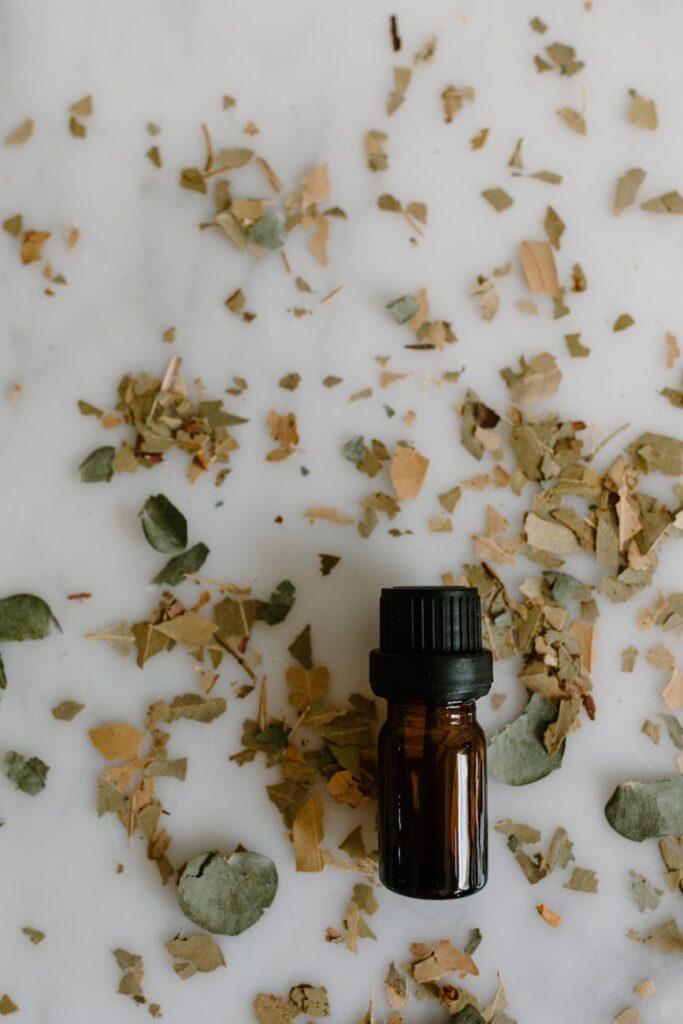
1. Storage: Store neroli oil in a cool, dark place, away from direct sunlight and heat. Amber or cobalt glass bottles are ideal for protecting the oil from light and oxidation.
2. Shelf Life: Neroli oil typically has a shelf life of 2 to 3 years when stored correctly. However, always check for any changes in aroma or consistency, which may indicate degradation.
3. Sealing: Ensure that the bottle is tightly sealed after each use to prevent exposure to air, which can lead to oxidation.
Frequently Asked Questions
1. What is the best way to use neroli oil for sleep?
The best method can vary by individual preference, but common options include diffusion, topical application on pulse points, and adding it to a warm bath.
2. Can neroli oil be mixed with other essential oils for sleep support?
Yes, neroli oil blends well with other calming essential oils like lavender, chamomile, and sandalwood, enhancing its sleep-supportive properties.
3. How much neroli oil should I use in a DIY recipe?
Typically, a dilution ratio of 2-3% is recommended for topical applications. For a 15 ml bottle, this would equate to about 9-15 drops of neroli oil mixed with a carrier oil.
4. Is neroli oil safe for everyone to use?
While generally safe, individuals with specific health concerns, pregnant or nursing women, and children should consult with a healthcare professional before using neroli oil.
5. Where can I purchase high-quality neroli oil?
Look for reputable suppliers that offer organic or therapeutic-grade neroli oil. Always check for third-party testing and customer reviews to ensure quality.
Conclusion
Neroli oil, with its rich history and profound calming properties, serves as an excellent ingredient in DIY aromatherapy recipes designed for sleep support. By understanding its benefits, applications, and safety considerations, individuals can create personalized sleep solutions that enhance overall well-being. Whether used in a soothing bath, a relaxing pillow spray, or a calming diffuser blend, neroli oil offers a pathway to a more restful night’s sleep, drawing on centuries of botanical wisdom.