
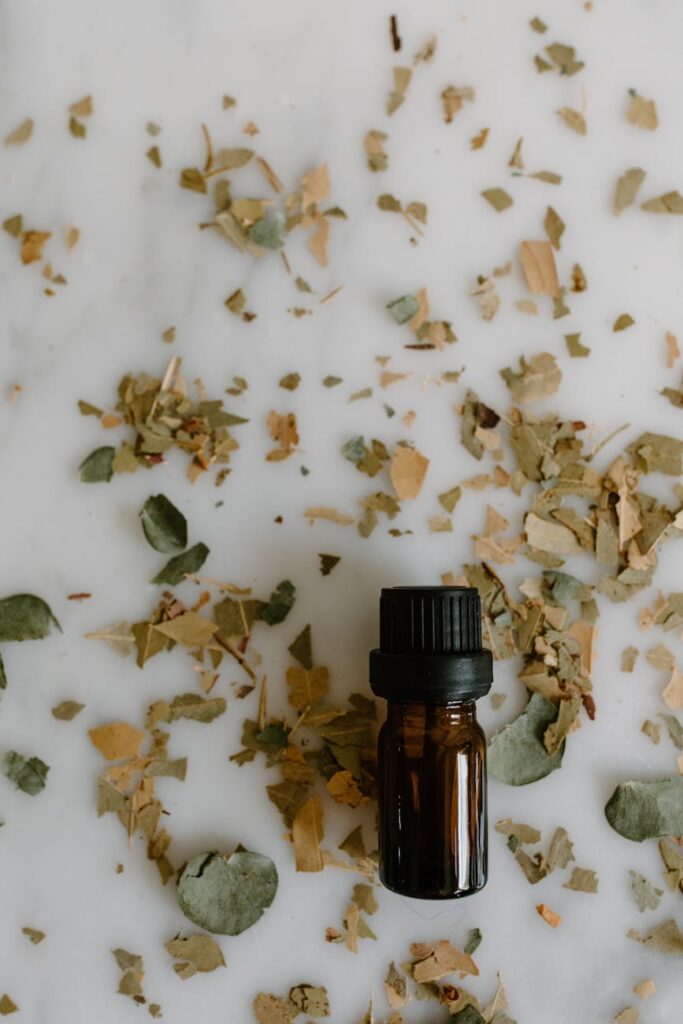
History and Origins of DIY Aromatherapy Recipes for Sleep Support with Vetiver Oil
Introduction
The pursuit of restful sleep has been a fundamental aspect of human life throughout history. Various cultures have turned to nature for remedies to combat sleep disturbances, and one of the most intriguing natural solutions is the use of essential oils. Among these, vetiver oil emerges as a notable ally, particularly in the realm of DIY aromatherapy recipes for sleep support. This article delves into the rich history and origins of vetiver oil, exploring its properties, benefits, and common applications in promoting sleep.
What Is DIY Aromatherapy Recipes for Sleep Support with Vetiver Oil?
DIY aromatherapy refers to the practice of creating personalized blends of essential oils for therapeutic benefits at home. Vetiver oil, derived from the roots of the vetiver grass (Chrysopogon zizanioides), is known for its earthy, woody aroma. This oil has been utilized in various cultures for centuries, primarily for its grounding and calming properties. When incorporated into DIY recipes, vetiver oil serves as a powerful ingredient for enhancing relaxation and promoting sleep.
Key Benefits and Properties
Vetiver oil is celebrated for its myriad benefits, particularly in the realm of sleep support:
1. Sedative Qualities: Vetiver is recognized for its calming effects on the nervous system. It has been traditionally used to alleviate anxiety and promote tranquility, making it an ideal candidate for sleep support.
2. Grounding Effect: The earthy scent of vetiver is often associated with grounding and centering, helping individuals to feel more connected and at ease, which can facilitate a smoother transition to sleep.
3. Antimicrobial Properties: Vetiver oil possesses natural antimicrobial properties, which can help purify the air when diffused in a bedroom setting, contributing to a more restful ambiance.
4. Stress Relief: The aromatic profile of vetiver is known to reduce stress and tension, further aiding in the relaxation process before bedtime.
Common Uses
Vetiver oil has a diverse range of applications, particularly in the context of sleep support:
- Diffusion: One of the most common methods for utilizing vetiver oil is through diffusion. Adding a few drops to an essential oil diffuser can create a calming environment conducive to sleep.
- Topical Application: Vetiver oil can be blended with carrier oils and applied to pulse points, such as wrists or behind the ears, to promote relaxation before sleep.
- Bath Solutions: Adding vetiver oil to a warm bath can enhance the calming experience, allowing the user to unwind and prepare for a restful night.
- Sleep Pillows: Incorporating vetiver oil into sleep pillows or sleep sachets can provide a gentle aroma that encourages relaxation throughout the night.
- 5 drops of vetiver oil
- 3 drops of lavender oil
- 2 drops of chamomile oil
- 1 tablespoon of carrier oil (such as jojoba or almond oil)
- 10 drops of vetiver oil
- 10 drops of lavender oil
- 5 drops of bergamot oil
- 2 ounces of distilled water
- 1 ounce of witch hazel (optional)
- 5 drops of vetiver oil
- 5 drops of lavender oil
- 1 cup of Epsom salt
- Storage: Keep vetiver oil in a cool, dark place, away from direct sunlight and heat sources. Glass bottles are preferred over plastic to prevent chemical reactions.
- Shelf Life: When stored correctly, vetiver oil can last for several years. However, it is advisable to check for any changes in aroma or consistency before use, as these may indicate degradation.
Aromatherapy Applications
Aromatherapy applications of vetiver oil for sleep support can be varied and tailored to individual preferences. Here are some popular DIY recipes:
1. Vetiver Sleep Blend
Ingredients:
Instructions:
1. In a small glass bottle, combine all the essential oils with the carrier oil.
2. Shake gently to blend.
3. Apply to pulse points before bedtime.
2. Calming Sleep Spray
Ingredients:
Instructions:
1. In a spray bottle, mix the essential oils with distilled water and witch hazel.
2. Shake well before each use.
3. Spray lightly on pillows and bedding before sleep.
3. Vetiver Bath Soak
Ingredients:
Instructions:
1. In a bowl, combine the Epsom salt with the essential oils.
2. Stir well and transfer the mixture to a glass jar.
3. Add to a warm bath and soak for 20 minutes before bed.
Safety Considerations
While vetiver oil is generally considered safe for use, it is essential to keep the following safety considerations in mind:
1. Dilution: Always dilute essential oils with a carrier oil before applying them to the skin to prevent irritation.
2. Patch Test: Conduct a patch test on a small area of skin to check for any allergic reactions before widespread use.
3. Pregnancy and Nursing: Consult with a healthcare provider before using essential oils during pregnancy or nursing, as some oils may not be suitable.
4. Children and Pets: Use caution when applying essential oils around children and pets. Some essential oils can be harmful to them.
5. Quality of Oil: Ensure that the vetiver oil used is of high quality and sourced from a reputable supplier to avoid impurities.
Storage and Shelf Life
Proper storage of vetiver oil is crucial to maintain its efficacy and aroma. Here are some guidelines:
Frequently Asked Questions
1. Can vetiver oil help with insomnia?
While many individuals find relief from sleep disturbances using vetiver oil, results can vary. It is advisable to explore various methods and consult with a professional if sleep issues persist.
2. How does vetiver oil compare to other sleep-supporting oils?
Vetiver oil is often noted for its grounding effects compared to more floral scents like lavender. Each oil has unique properties, and personal preference plays a significant role in effectiveness.
3. Can I use vetiver oil in a diffuser while sleeping?
Yes, diffusing vetiver oil in your bedroom can create a calming atmosphere, promoting relaxation and aiding in sleep. However, ensure that the diffuser is safe to use overnight.
4. Is vetiver oil safe for children?
Vetiver oil can be used around children, but it should always be diluted and used with caution. Consult with a healthcare professional for guidance tailored to your child’s age and health status.
5. How do I know if I am using quality vetiver oil?
Look for essential oils that are labeled as pure and therapeutic grade. Research the supplier’s reputation and check for any certifications that validate the oil’s quality.
Conclusion
The history and origins of vetiver oil in the context of DIY aromatherapy recipes for sleep support reveal its profound connection to cultural practices and natural healing. With its calming and grounding properties, vetiver oil serves as an excellent resource for those seeking to improve their sleep quality. By creating personalized blends and exploring various applications, individuals can harness the benefits of this remarkable essential oil, fostering a more restful and rejuvenating sleep experience.