
History and Origins of DIY Aromatherapy Recipes for Sleep Support with Ylang Ylang Oil
Introduction
Aromatherapy, the practice of using essential oils for therapeutic benefits, has a rich history that spans thousands of years. Among the myriad essential oils available, Ylang Ylang (Cananga odorata) stands out due to its unique fragrance and potent properties. This article will explore the historical context of Ylang Ylang oil, its benefits specifically for sleep support, and how to create DIY aromatherapy recipes that harness its soothing qualities.
What Is DIY Aromatherapy Recipes for Sleep Support with Ylang Ylang Oil?
DIY aromatherapy recipes are personalized blends of essential oils mixed with carrier oils or other ingredients to create aromatic preparations for therapeutic uses. Ylang Ylang oil, extracted from the flowers of the Ylang Ylang tree native to tropical Asia, is particularly favored for its calming and uplifting effects. When used in sleep support recipes, Ylang Ylang can help create an environment conducive to relaxation and rest.
Key Benefits and Properties
Ylang Ylang oil is known for its extensive range of benefits, particularly in promoting emotional well-being and relaxation. Some of its key properties include:
- Sedative Qualities: Ylang Ylang has been traditionally used to alleviate stress and anxiety. Its calming effect can help reduce mental fatigue, making it an excellent choice for sleep support.
- Mood Enhancer: The oil has uplifting properties that can help balance emotions, making it useful for those struggling with sleep due to anxiety or sadness.
- Hormonal Balance: Some studies suggest that Ylang Ylang may help balance hormones, which can be beneficial for sleep patterns disrupted by hormonal fluctuations.
- Antioxidant Properties: Ylang Ylang is rich in antioxidants, which can help combat oxidative stress in the body, contributing to overall health and well-being.
- Diffuser Blends: Adding Ylang Ylang oil to a diffuser can fill the room with its soothing aroma, creating a peaceful atmosphere.
- Sleep Sprays: Mixing Ylang Ylang with water or witch hazel in a spray bottle can create a calming pillow or room spray.
- Massage Oils: When diluted with a carrier oil, Ylang Ylang can be used for a relaxing massage, focusing on areas of tension.
- Bath Blends: Adding Ylang Ylang oil to a warm bath can enhance relaxation before bedtime.
- 3 drops Ylang Ylang oil
- 2 drops Lavender oil
- 1 drop Bergamot oil
- Water (as per diffuser instructions)
- 1 cup distilled water
- 1 tablespoon witch hazel or vodka
- 10 drops Ylang Ylang oil
- 5 drops Lavender oil
- 2 tablespoons carrier oil (such as sweet almond or jojoba oil)
- 3 drops Ylang Ylang oil
- 2 drops Lavender oil
- 5 drops Ylang Ylang oil
- 5 drops Lavender oil
- 1 cup Epsom salt
- Dilution: Always dilute Ylang Ylang oil with a carrier oil before applying it to the skin to prevent irritation.
- Patch Test: Perform a patch test on a small area of skin to check for allergic reactions.
- Pregnancy and Nursing: Pregnant or nursing individuals should consult with a healthcare professional before using essential oils.
- Children and Pets: Keep essential oils out of reach of children and pets, and consult a veterinarian before use around animals.
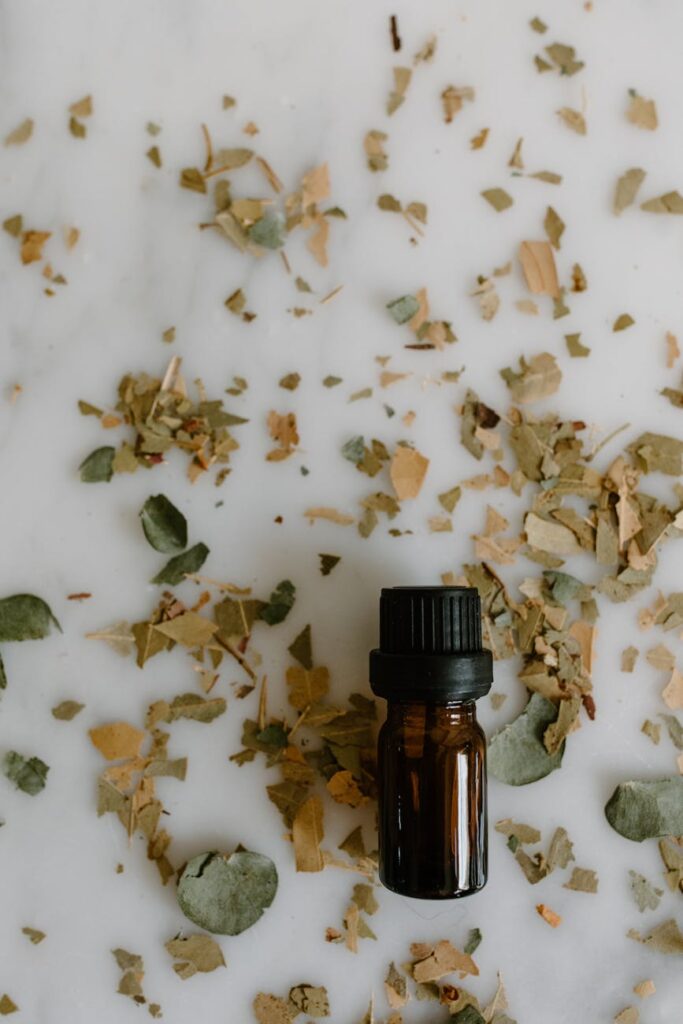
- Storage: Store Ylang Ylang oil in a dark glass bottle, away from sunlight and heat sources. This will help preserve its potency.
- Shelf Life: When stored correctly, Ylang Ylang oil typically lasts between 3 to 5 years. However, always check for any changes in smell or consistency before use.
Common Uses
Ylang Ylang oil is versatile and can be incorporated into various DIY aromatherapy recipes aimed at promoting better sleep. Some common uses include:
Aromatherapy Applications
When creating DIY recipes for sleep support with Ylang Ylang oil, several applications can be utilized:
1. Diffuser Blends
Ingredients:
Instructions: Add the essential oils to your diffuser along with the recommended amount of water. Turn on the diffuser 30 minutes before bedtime to create a calming ambiance.
2. Sleep Spray
Ingredients:
Instructions: Combine all ingredients in a spray bottle. Shake well before each use and spray on pillows or sheets before bedtime to promote relaxation.
3. Relaxing Massage Oil
Ingredients:
Instructions: Mix the oils in a small bowl and apply to the skin using gentle massage techniques. Focus on the neck, shoulders, and other areas of tension.
4. Soothing Bath Blend
Ingredients:
Instructions: Combine the essential oils with Epsom salt in a bowl. Add to a warm bath and soak for at least 20 minutes to experience relaxation benefits.
Safety Considerations
When using essential oils, it’s crucial to be mindful of safety precautions:
Storage and Shelf Life
Proper storage is essential to maintain the quality of Ylang Ylang oil and any DIY recipes. Here are some guidelines:
Frequently Asked Questions
Q1: Can Ylang Ylang oil be used alone for sleep support?
Yes, Ylang Ylang oil can be used on its own. A few drops in a diffuser or a small amount diluted in a carrier oil can provide calming benefits.
Q2: Is Ylang Ylang safe for children?
While Ylang Ylang can be used around children, it’s essential to dilute it properly and consult with a healthcare provider for age-appropriate use.
Q3: Can I combine Ylang Ylang with other essential oils?
Yes, Ylang Ylang blends well with many other essential oils, such as Lavender, Bergamot, and Frankincense, enhancing its calming properties.
Q4: How long does it take to feel the effects of Ylang Ylang oil?
The effects of Ylang Ylang can vary depending on the individual and the method of application. Many people report feeling a sense of calm soon after inhaling the aroma or using it in a massage.
Q5: What should I do if I experience irritation?
If you experience any irritation or discomfort after using Ylang Ylang oil, discontinue use immediately and wash the area with soap and water. If symptoms persist, consult a healthcare professional.
Conclusion
The history and origins of Ylang Ylang oil are steeped in cultural significance and therapeutic use, particularly for sleep support. By understanding its properties and creating personalized DIY recipes, individuals can harness the calming benefits of Ylang Ylang to enhance their overall well-being. As with any essential oil, it is essential to use Ylang Ylang safely and responsibly to fully enjoy its aromatic and therapeutic benefits.