
History and Origins of DIY Aromatherapy Recipes for Stress Relief with Vetiver and Orange Oils
Introduction
Aromatherapy is an ancient practice that utilizes essential oils derived from plants to promote physical and emotional well-being. Among the myriad of essential oils available, vetiver and orange oils have garnered attention for their unique properties and benefits, especially concerning stress relief. This article delves into the history and origins of DIY aromatherapy recipes featuring these two oils, exploring their uses, benefits, and safety considerations.
What Is DIY Aromatherapy Recipes for Stress Relief with Vetiver and Orange Oils?
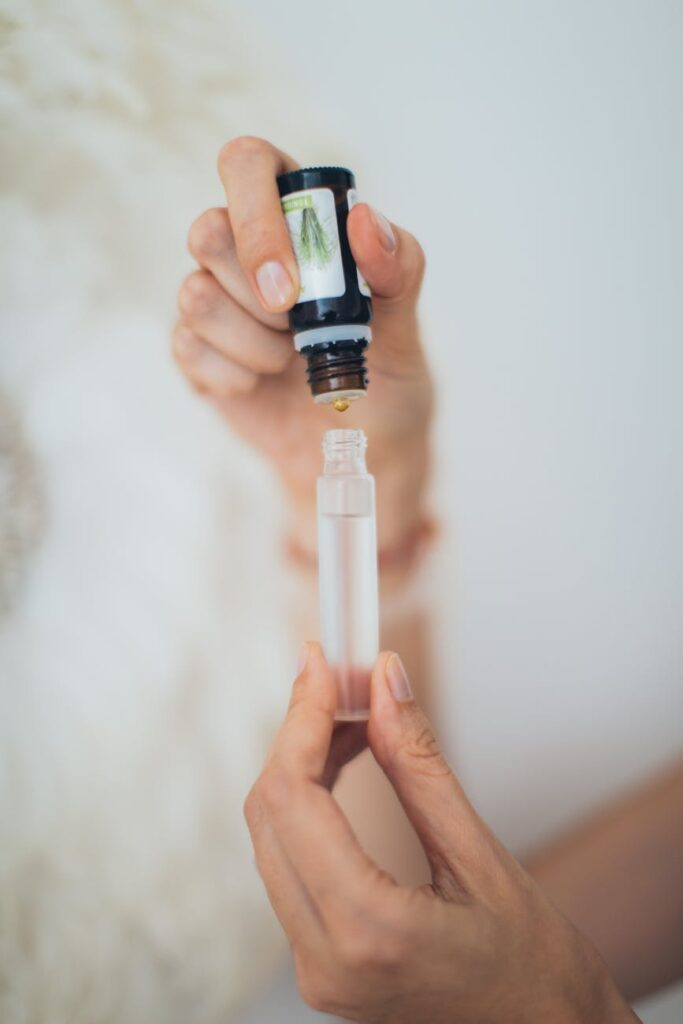
DIY aromatherapy refers to the practice of creating personalized blends of essential oils for therapeutic purposes at home. By combining vetiver oil, known for its grounding and calming properties, with the uplifting scent of orange oil, often associated with joy and positivity, individuals can craft effective remedies for stress relief. These recipes vary in complexity, from simple inhalation blends to more intricate formulations for topical application.
Vetiver Oil
Vetiver (Vetiveria zizanoides) is a perennial grass native to India, where it has been used for centuries in traditional medicine and perfumery. The oil is extracted from the plant’s roots through steam distillation. Vetiver is often described as having a rich, earthy aroma that promotes feelings of stability and tranquility.
Orange Oil
Orange (Citrus sinensis) oil is derived from the peels of oranges and has been utilized since ancient times for its refreshing scent and potential health benefits. The oil is typically obtained through cold-press extraction, preserving the vibrant aroma and properties of the fruit. With its bright, citrusy notes, orange oil is known to uplift mood and enhance feelings of happiness.
Key Benefits and Properties
The combination of vetiver and orange oils offers a unique synergy that can be particularly beneficial for stress relief.
Vetiver Oil Benefits
1. Calming Properties: Vetiver is often employed for its ability to induce a sense of calm and relaxation, making it a popular choice for alleviating anxiety and stress.
2. Grounding Effects: The earthy scent of vetiver helps anchor the mind, encouraging a sense of stability during turbulent times.
3. Sleep Support: Many users report improved sleep quality when incorporating vetiver into their nighttime routines.
Orange Oil Benefits
1. Mood Enhancement: The uplifting aroma of orange oil is believed to stimulate serotonin production, contributing to improved mood and reduced feelings of anxiety.
2. Stress Reduction: Studies have shown that citrus scents can lower cortisol levels, the hormone associated with stress.
3. Energizing Effects: The invigorating scent of orange oil can help combat fatigue and promote a sense of vitality.
Common Uses
DIY aromatherapy recipes incorporating vetiver and orange oils can be used in various ways to promote stress relief:
1. Diffusion: Adding a few drops of both oils to a diffuser can create an uplifting and calming atmosphere in any space.
2. Inhalation: Simply inhaling the combined scents directly from the bottle can provide immediate stress relief.
3. Topical Application: When diluted with a carrier oil, these essential oils can be massaged onto pulse points or areas of tension for localized relief.
4. Bathing: Adding a blend of vetiver and orange oils to a warm bath can create a relaxing and aromatic experience.
Aromatherapy Applications
Diffuser Blends
1. Calming Blend:
- 3 drops of vetiver oil
- 2 drops of orange oil
- Water as per diffuser’s instructions
- 2 drops of vetiver oil
- 4 drops of orange oil
- Water as per diffuser’s instructions
- 10 ml of carrier oil (e.g., jojoba or sweet almond oil)
- 5 drops of vetiver oil
- 5 drops of orange oil
- Combine in a roller bottle and apply to pulse points.
- 30 ml of carrier oil
- 8 drops of vetiver oil
- 5 drops of orange oil
- Use for a calming massage.
- 1 cup Epsom salt
- 5 drops of vetiver oil
- 5 drops of orange oil
- Mix together and add to a warm bath.
- 1/4 cup carrier oil
- 5 drops of vetiver oil
- 5 drops of orange oil
- Add to bath water for an aromatic experience.
2. Uplifting Blend:
Topical Recipes
1. Stress Relief Roller:
2. Soothing Massage Oil:
Bath Recipes
1. Relaxing Bath Soak:
2. Aromatherapy Bath Oil:
Safety Considerations
While essential oils like vetiver and orange are generally safe for use, there are important safety considerations to keep in mind:
1. Dilution: Essential oils should always be diluted before topical application to avoid skin irritation. A common guideline is to use a 2-3% dilution (approximately 10-15 drops of essential oil per 30 ml of carrier oil).
2. Patch Test: Conduct a patch test before applying the oils to larger skin areas to check for any adverse reactions.
3. Pregnancy and Nursing: Certain essential oils may not be suitable for use during pregnancy or nursing. It is advisable to consult a healthcare professional before use.
4. Children and Pets: Some essential oils can be harmful to young children and pets. Always research specific oils before introducing them to your home environment.
Storage and Shelf Life
Proper storage is crucial for maintaining the quality and potency of essential oils. Here are some tips to ensure longevity:
1. Container: Store essential oils in dark glass bottles to protect them from light and heat, which can degrade their quality.
2. Temperature: Keep oils in a cool, dry place away from direct sunlight and heat sources.
3. Shelf Life: Most essential oils have a shelf life of 1-3 years, depending on the oil and storage conditions. Vetiver oil tends to have a longer shelf life due to its high antioxidant content.
Frequently Asked Questions
Can I use vetiver and orange oils together in a diffuser?
Yes, vetiver and orange oils can be safely blended in a diffuser. Their combination creates a balanced atmosphere that promotes relaxation and upliftment.
How often can I use these oils for stress relief?
The frequency of use can vary based on individual preferences and sensitivities. It is generally safe to use these oils daily when properly diluted.
Can I mix vetiver and orange oil with other essential oils?
Absolutely! Vetiver and orange oils can be blended with other complementary essential oils like lavender, bergamot, or chamomile for enhanced effects.
Are there any contraindications for using these oils?
Individuals with specific allergies, sensitivities, or medical conditions should consult a healthcare professional before using essential oils. Pregnant or nursing individuals should also seek guidance on safe usage.
Where can I purchase quality vetiver and orange essential oils?
Quality essential oils can be found at health food stores, specialty aromatherapy shops, and online retailers. Always choose oils that are labeled as 100% pure and organic when possible.
Conclusion
The rich history and diverse applications of DIY aromatherapy recipes using vetiver and orange oils illustrate the enduring appeal of these natural remedies for stress relief. As individuals increasingly seek holistic approaches to wellness, the art of blending essential oils provides an accessible way to incorporate the soothing and uplifting properties of nature into daily life. By understanding the benefits, uses, and safety considerations, one can effectively harness the power of these essential oils to create a more balanced and harmonious existence.