
History and Origins of DIY Aromatherapy Recipes for Stress Relief
Introduction
Aromatherapy, the practice of using essential oils for therapeutic purposes, has a rich history that spans thousands of years. The roots of this practice can be traced back to ancient civilizations, where aromatic plants were utilized for their healing properties. In contemporary society, DIY aromatherapy recipes have gained popularity as an accessible means for individuals to manage stress and enhance their well-being. This article delves into the historical context, key benefits, common applications, and safety considerations of DIY aromatherapy for stress relief.
What Is DIY Aromatherapy Recipes for Stress Relief?
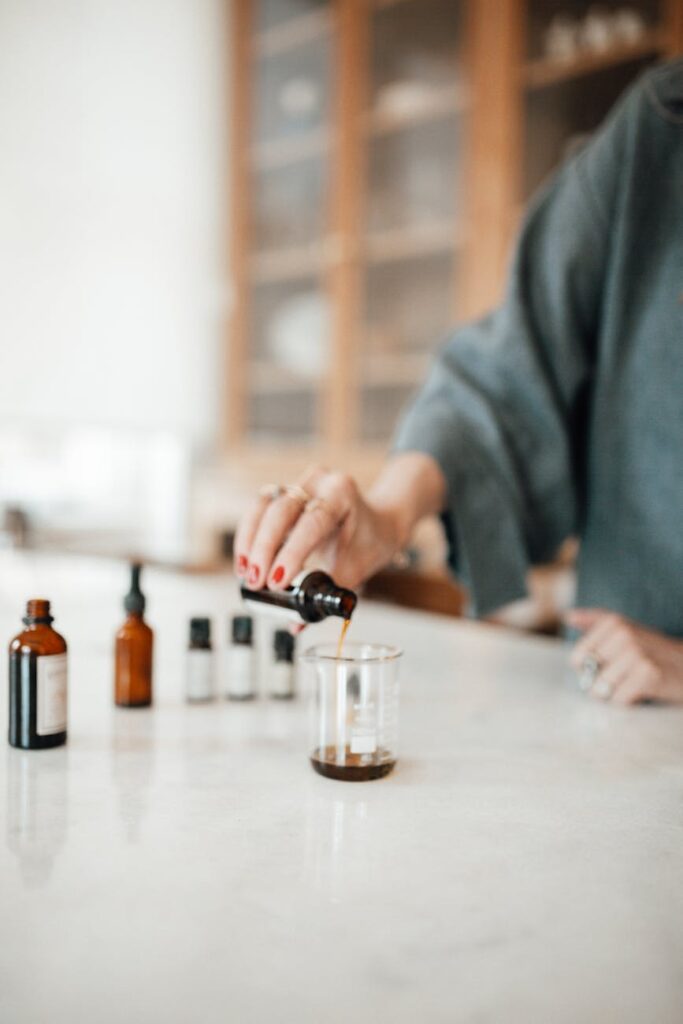
DIY aromatherapy refers to the practice of creating personalized blends of essential oils at home to promote relaxation and alleviate stress. These recipes typically involve combining various essential oils with carrier oils, water, or other ingredients. The goal of these blends is to harness the natural properties of the oils to create a calming atmosphere and support emotional well-being. DIY aromatherapy recipes can vary widely, allowing individuals to tailor their concoctions to their specific preferences and needs.
Key Benefits and Properties
Essential oils have been celebrated for their diverse range of benefits. While individual results may vary, common properties associated with essential oils used for stress relief include:
1. Calming Effects: Oils such as lavender and chamomile are renowned for their ability to promote relaxation and reduce anxiety.
2. Mood Enhancement: Citrus oils like bergamot and sweet orange can uplift spirits and foster a sense of joy.
3. Sleep Support: Many essential oils, including cedarwood and ylang-ylang, are known to aid in restful sleep by calming the mind.
4. Stress Reduction: Essential oils can help lower cortisol levels, the hormone associated with stress, and create an overall sense of tranquility.
Common Uses
DIY aromatherapy recipes can be employed in various practical applications to address stress:
- Diffusion: Adding essential oils to a diffuser disperses the aroma throughout a space, creating an inviting and relaxing atmosphere.
- Topical Application: Diluted essential oils can be applied to pulse points or areas of tension, offering localized relief.
- Baths: Incorporating essential oils into bathwater can enhance the relaxation experience, turning an ordinary bath into a soothing sanctuary.
- Inhalation: Simply inhaling the aroma of essential oils directly from the bottle or a cotton ball can provide immediate stress relief.
- Lavender (Lavandula angustifolia): Known for its calming properties, lavender oil can be used in a variety of recipes, such as pillow sprays or bath oils.
- Bergamot (Citrus bergamia): This citrus oil is often used to uplift mood and reduce feelings of anxiety. It can be blended into diffusers or massage oils.
- Frankincense (Boswellia serrata): Often associated with spiritual practices, frankincense oil can promote a sense of peace. It is ideal for meditation blends.
- Ylang-Ylang (Cananga odorata): Renowned for its sweet floral scent, ylang-ylang is frequently included in blends designed to enhance relaxation and emotional balance.
- Dark Glass Containers: Essential oils should be stored in dark glass containers to protect them from light degradation.
- Cool, Dry Place: Keeping oils in a cool, dry environment will help prolong their shelf life.
- Expiration Dates: While essential oils do not spoil like food, they can lose potency over time. Most essential oils have a shelf life of 1-3 years, depending on the type.
Aromatherapy Applications
A wide array of essential oils can be utilized in DIY recipes aimed at stress relief. Here are some popular choices and their applications:
Safety Considerations
While essential oils can be beneficial, it is essential to practice safety when using them:
1. Dilution: Many essential oils are potent and should be diluted with a carrier oil (e.g., jojoba, coconut, or olive oil) before topical application. A typical dilution ratio is 2-3 drops of essential oil per teaspoon of carrier oil.
2. Patch Test: Conduct a patch test before using a new essential oil on the skin to check for any allergic reactions.
3. Avoiding Certain Oils: Some essential oils are not recommended for specific populations, including pregnant women, infants, or individuals with certain medical conditions. Always research the specific oils you intend to use.
4. Quality of Oils: Use high-quality, pure essential oils from reputable sources to ensure safety and efficacy.
Storage and Shelf Life
Proper storage of essential oils is crucial for maintaining their potency. Here are some key considerations:
Frequently Asked Questions
1. Can I use essential oils if I have allergies?
While many individuals can safely use essential oils, those with allergies or sensitivities should exercise caution. It is advisable to consult with a healthcare professional if you have known allergies before using essential oils.
2. How do I choose the right essential oils for stress relief?
Selecting essential oils largely depends on personal preference. Consider conducting some research on various oils and their properties, then experiment with different combinations to find what resonates most with you.
3. Are there any contraindications for using essential oils?
Certain essential oils may interact with medications or medical conditions. Always read labels carefully and consult with a healthcare provider if you are unsure about the safety of a specific oil.
4. Can I use essential oils in combination with other relaxation techniques?
Absolutely. Many individuals find that combining essential oils with practices like meditation, yoga, or deep-breathing exercises can enhance their overall stress relief experience.
5. How often can I use DIY aromatherapy recipes?
There is no set limit to how often you can use DIY aromatherapy recipes. However, it is advisable to listen to your body and use oils in moderation to avoid sensory overload.
Conclusion
The tradition of using aromatherapy for stress relief has deep historical roots and continues to thrive as a popular practice in modern wellness. DIY aromatherapy recipes enable individuals to create personalized blends that cater to their unique preferences and needs. By understanding the benefits, applications, and safety considerations surrounding essential oils, individuals can effectively incorporate this ancient practice into their daily lives to cultivate a greater sense of tranquility and well-being.