
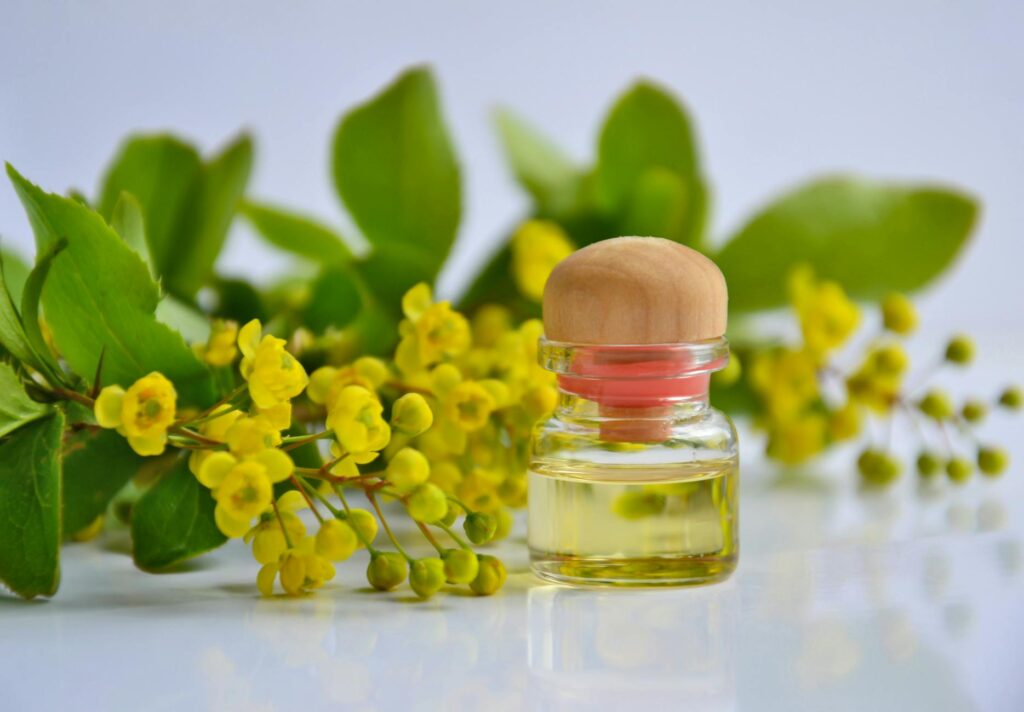
History and Origins of Echinacea Extract
Introduction
Echinacea, often referred to as the purple coneflower, is a group of flowering plants belonging to the Asteraceae family. Its striking blooms and medicinal properties have captured the attention of herbalists and botanists alike for centuries. This article delves into the history and origins of Echinacea extract, exploring its journey from indigenous use to modern applications in natural health practices.
What Is Echinacea Extract?
Echinacea extract is derived from the Echinacea plant, which comprises several species, including Echinacea purpurea, Echinacea angustifolia, and Echinacea pallida. The extract is obtained by using various extraction methods, including alcohol or water extraction, to concentrate the beneficial compounds found in the plant’s roots, leaves, and flowers.
The primary constituents of Echinacea include alkylamides, polysaccharides, flavonoids, and phenolic acids. These compounds are believed to contribute to the plant’s immune-supporting properties, making it a popular choice in herbal medicine.
Key Benefits and Properties
Echinacea is renowned for its wide array of potential health benefits. While extensive scientific research is ongoing, several key properties have been attributed to Echinacea extract:
1. Immune Support: Echinacea is widely recognized for its potential to enhance the immune system. Some studies suggest that it may help stimulate the production of white blood cells, which play a crucial role in the body’s defense against infections.
2. Anti-inflammatory Effects: The compounds found in Echinacea may exhibit anti-inflammatory properties, which could be beneficial for conditions characterized by inflammation.
3. Antioxidant Activity: Echinacea contains antioxidants that help combat oxidative stress in the body, potentially reducing the risk of chronic diseases linked to oxidative damage.
4. Antimicrobial Properties: Preliminary research indicates that Echinacea may possess antimicrobial properties, making it a candidate for supporting the body against certain pathogens.
5. Skin Benefits: Topical applications of Echinacea extract are believed to promote skin health, thanks to its potential anti-inflammatory and antimicrobial effects.
Common Uses
Echinacea extract has been used in various forms and applications throughout its history:
- Tinctures and Liquid Extracts: These concentrated forms are commonly used for their rapid absorption and versatility in dosage.
- Capsules and Tablets: Echinacea is also available in standardized capsule or tablet forms, allowing for convenient consumption.
- Teas: Herbal teas made from Echinacea leaves and flowers are popular for those who prefer a more traditional approach to herbal remedies.
- Topical Preparations: Echinacea-infused creams, ointments, and salves are utilized for their potential skin-soothing properties.
- Food and Beverages: Echinacea can sometimes be found in health drinks and supplements, reflecting its incorporation into daily wellness routines.
- Emotional Balance: The soothing properties of Echinacea may help promote a sense of calm and relaxation, making it a candidate for use in stress-relief blends.
- Immune-Boosting Blends: Echinacea extracts can be combined with other essential oils known for immune support, such as tea tree or eucalyptus, to create synergistic blends.
- Topical Applications: For those interested in skin health, Echinacea extracts can be incorporated into massage oils or lotions, potentially benefiting the skin while promoting relaxation.
- Allergic Reactions: Individuals with allergies to plants in the Asteraceae family (such as ragweed, marigolds, and daisies) may experience allergic reactions to Echinacea. It is advisable to conduct a patch test or consult a healthcare professional before use.
- Pregnancy and Breastfeeding: The safety of Echinacea during pregnancy and breastfeeding has not been thoroughly studied. It is recommended that pregnant or nursing individuals consult a healthcare provider before using Echinacea extract.
- Drug Interactions: Echinacea may interact with certain medications, particularly immunosuppressants. If you are taking medication or have a pre-existing medical condition, it is essential to consult with a healthcare professional before using Echinacea extract.
- Dosage: As with any herbal supplement, following the recommended dosage is crucial to minimize the risk of side effects.
- Cool, Dark Place: Store Echinacea extract away from direct sunlight and heat sources. A cool, dark cupboard is ideal.
- Tightly Sealed Containers: Ensure that the container is tightly sealed to prevent contamination and oxidation.
- Expiration Date: Pay attention to the expiration date provided by the manufacturer. While Echinacea extract may retain effectiveness beyond this date, its potency may diminish over time.
- Refrigeration: Some liquid extracts may benefit from refrigeration after opening to prolong shelf life.
Aromatherapy Applications
While Echinacea is primarily known for its medicinal properties, its incorporation into aromatherapy is less common but noteworthy. Essential oils derived from Echinacea are not widely available, but the plant’s extracts can still be utilized in aromatherapy practices for their potential benefits:
Safety Considerations
While Echinacea is generally considered safe for most people when used appropriately, there are some important safety considerations to keep in mind:
Storage and Shelf Life
Proper storage of Echinacea extract is essential to maintain its potency and effectiveness. Here are some guidelines:
Frequently Asked Questions
1. How is Echinacea extract made?
Echinacea extract is typically made through a process of extraction using alcohol or water to draw out the beneficial compounds from the plant’s roots, leaves, and flowers. The extraction process can vary depending on the desired concentration and form of the final product.
2. Can Echinacea extract be used for colds and flu?
Echinacea is commonly used in herbal medicine for its potential immune-supporting properties, particularly during cold and flu season. However, individual responses may vary, and it is essential to consult a healthcare provider for personalized advice.
3. Is Echinacea extract safe for children?
While Echinacea is sometimes used in children, it is crucial to consult a healthcare professional before giving Echinacea extract to children, as dosages and safety can vary based on age and health status.
4. Can I take Echinacea extract daily?
Echinacea can be taken daily, but it is essential to follow the recommended dosage on the product label or consult a healthcare professional for personalized advice, especially for long-term use.
5. Are there any side effects associated with Echinacea extract?
While Echinacea is generally well-tolerated, some individuals may experience side effects, including gastrointestinal upset or allergic reactions. It is advisable to monitor your body’s response and consult a healthcare professional if any adverse effects occur.
Conclusion
Echinacea extract has a rich history rooted in traditional herbal medicine, with origins tracing back to Native American practices. Its journey through time has showcased its potential benefits, broadening its appeal in contemporary natural health. While further research is needed to fully understand its mechanisms, Echinacea continues to be a staple in the realm of herbal remedies, contributing to wellness and holistic health approaches across the globe.