
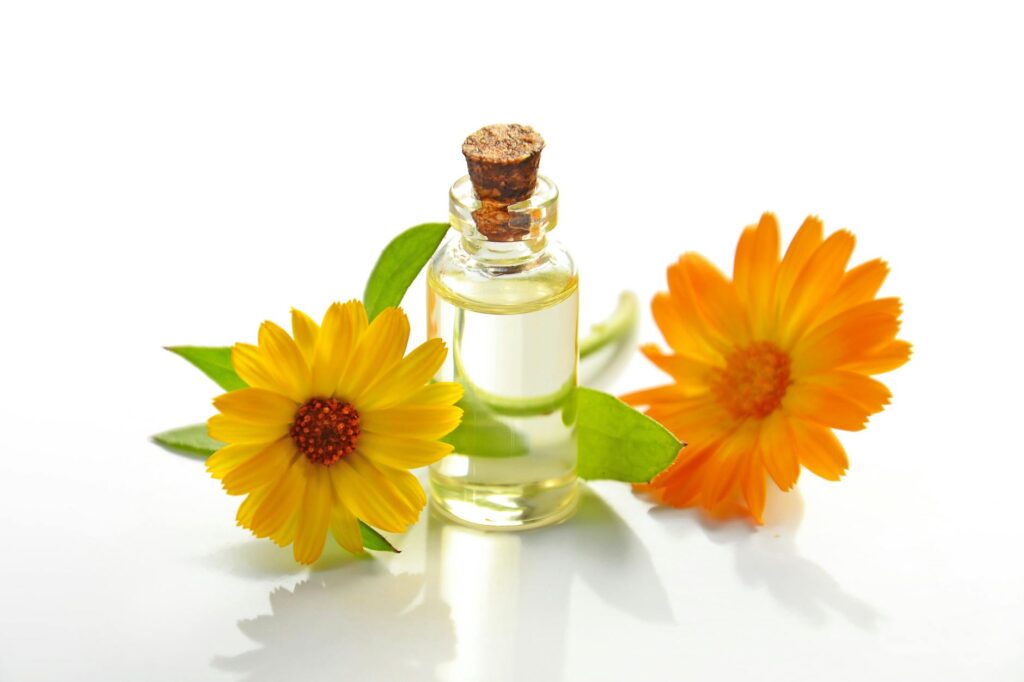
History and Origins of Edible Flowers
Introduction
Edible flowers have captured the attention of culinary enthusiasts and herbalists alike for centuries. Their vibrant colors, unique flavors, and potential health benefits make them a fascinating addition to a variety of dishes and beverages. This article delves into the history and origins of edible flowers, exploring their significance across cultures and their applications in modern cuisine and aromatherapy.
What Is Edible Flowers?
Edible flowers are blooms from various plants that are safe for human consumption. While many flowers can be toxic, a select group is recognized for their culinary qualities. These flowers can come from a variety of plant families, including Asteraceae (e.g., chamomile), Lamiaceae (e.g., mint), and Rosaceae (e.g., roses).
The use of flowers in food is not merely for aesthetics; they often contribute distinct flavors, aromas, and even nutritional benefits. Edible flowers can be utilized in salads, teas, garnishes, desserts, and more, making them a versatile ingredient in both traditional and modern cuisine.
Key Benefits and Properties
Edible flowers are not just visually appealing; they also offer various benefits:
1. Flavor Enhancement: Many edible flowers have unique tastes that can enhance the overall flavor profile of dishes. For instance, nasturtiums possess a peppery taste, while violets have a subtle sweetness.
2. Nutritional Value: Some edible flowers are rich in vitamins, minerals, and antioxidants. Flowers such as dandelion and hibiscus are known for their high vitamin C content.
3. Aesthetic Appeal: The vibrant colors and distinct shapes of edible flowers can elevate the presentation of a dish, making it more inviting and exciting.
4. Cultural Significance: Edible flowers have historical roots in various cultures, often associated with traditional practices and local cuisines. They can symbolize different meanings, such as love, celebration, or healing.
Common Uses
Edible flowers are utilized in a variety of culinary applications:
- Salads: Flowers like nasturtiums, pansies, and marigolds add color and flavor to salads, enhancing both visual appeal and taste.
- Beverages: Edible flowers can be infused in teas or used as garnishes in cocktails. Chamomile flowers, for example, are popular in herbal teas, while elderflowers are often used in syrups for refreshing drinks.
- Desserts: Flowers such as violets and roses can be crystallized or used as natural flavorings in cakes, pastries, and jellies.
- Garnishes: Many chefs use edible flowers as garnishes to elevate the plating of dishes, adding a touch of elegance and vibrancy.
- Herbal Remedies: Historically, various cultures have used edible flowers for their purported health benefits. Flowers like calendula and lavender have been incorporated into herbal remedies, though it’s essential to note that these uses should not replace professional medical advice.
- Lavender: Known for its soothing properties, lavender is commonly used in aromatherapy to promote relaxation and alleviate stress.
- Chamomile: Often associated with calming effects, chamomile can be used in essential oil form to create a peaceful atmosphere.
- Rose: Rose oil is renowned for its ability to uplift the mood and is frequently incorporated into aromatherapy practices.
- Identification: Proper identification is essential. Some flowers can be toxic, leading to adverse reactions. Always verify that a flower is indeed edible before consumption.
- Pesticides: Many commercially available flowers may have been treated with pesticides or chemicals. It is advisable to use organic flowers or those grown in an untreated environment.
- Allergies: Individuals may have allergic reactions to specific flowers. It is advisable to try a small quantity if you are consuming a particular flower for the first time.
- Cooking and Preparation: Some flowers are best consumed raw, while others may require cooking. Researching the specific preparation methods for each flower can ensure a safe and enjoyable culinary experience.
- Refrigeration: Edible flowers should be stored in the refrigerator, ideally in a breathable container to prevent moisture buildup, which can lead to spoilage.
- Use Quickly: Most edible flowers have a relatively short shelf life, typically ranging from a few days to a week. It is recommended to use them as soon as possible for optimal flavor and texture.
- Drying: Some flowers can be dried for later use, although this process may alter their flavor and texture. Dried flowers can be used in teas, baking, or as decorative garnishes.
Aromatherapy Applications
In addition to their culinary uses, edible flowers also play a role in aromatherapy. The essential oils extracted from certain flowers can be utilized for their potential calming and uplifting effects. For instance:
These aromatic properties make edible flowers not only a culinary delight but also a valuable component in holistic wellness practices.
Safety Considerations
While many flowers are safe to eat, it is crucial to be aware of the following safety considerations:
Storage and Shelf Life
Proper storage of edible flowers is essential to maintain their freshness and flavor:
Frequently Asked Questions
1. Are all flowers edible?
No, not all flowers are edible. Some flowers can be toxic or cause allergic reactions. Always verify the edibility of a flower before consumption.
2. How do I know if a flower is safe to eat?
Research and proper identification are crucial. Consult reliable resources, such as botanical guides or reputable websites, to confirm the edibility of a flower.
3. Can I use flowers from my garden?
Only use flowers from your garden if you are certain they have not been treated with pesticides or chemicals. Organic gardening practices are recommended for edible flowers.
4. Are there any flowers that are particularly popular in cooking?
Yes, some popular edible flowers include nasturtiums, violets, pansies, marigolds, and chamomile. Each offers unique flavors and aesthetics.
5. How can I incorporate edible flowers into my diet?
You can add edible flowers to salads, teas, desserts, and drinks. They can also be used as garnishes to enhance the visual appeal of various dishes.
6. What is the best way to store edible flowers?
Store edible flowers in the refrigerator, preferably in a breathable container. Use them as soon as possible, as they have a short shelf life.
Conclusion
Edible flowers have a rich history woven into the fabric of various cuisines and cultures around the world. As culinary trends continue to evolve, the appreciation for these vibrant blooms remains strong. Understanding their origins, benefits, and applications allows individuals to embrace the beauty and flavor that edible flowers can bring to both their plates and their lives. With proper identification and care, edible flowers can be a delightful addition to meals, beverages, and even wellness practices. The journey of edible flowers is as colorful and diverse as the blooms themselves.