
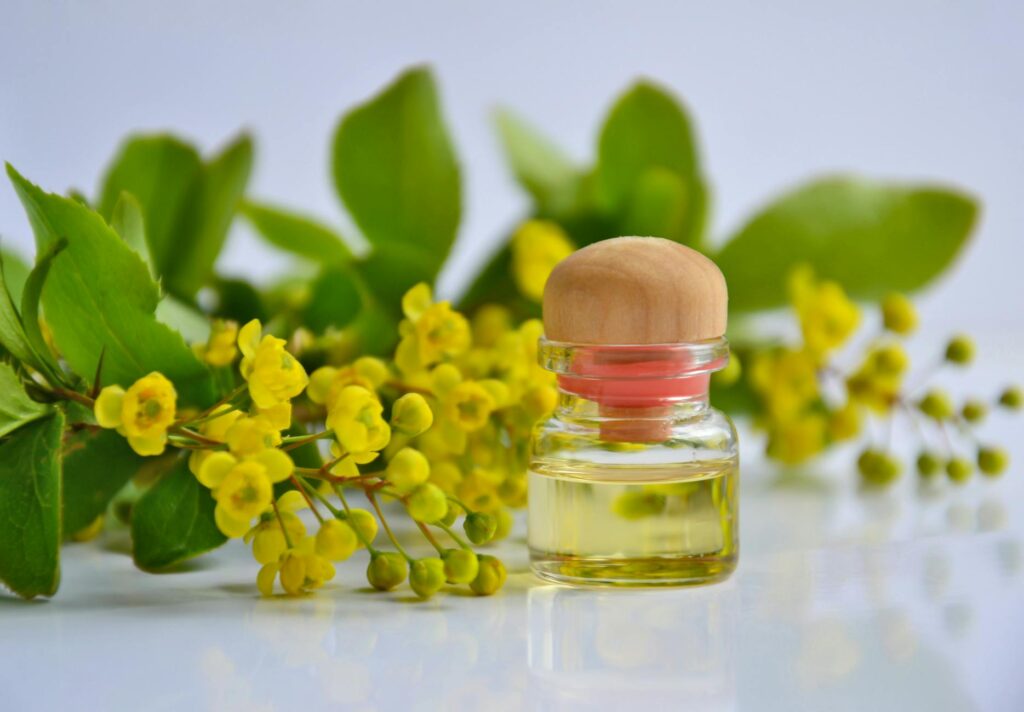
History and Origins of Elderberry Oil Extract
Introduction
Elderberry oil extract, derived from the berries of the Sambucus species, particularly Sambucus nigra, has a rich history steeped in traditional medicine and folklore. Revered for its vibrant color and potent properties, elderberry has long been utilized in various cultures worldwide. This article delves into the history and origins of elderberry oil extract, exploring its benefits, uses, and applications in aromatherapy.
What Is Elderberry Oil Extract?
Elderberry oil extract is an oil derived from the berries of the elder plant, which belongs to the Adoxaceae family. The extraction process typically involves cold-pressing or solvent extraction, resulting in a concentrated oil rich in bioactive compounds. Unlike elderberry syrup, which is commonly used for its culinary applications, elderberry oil extract captures the essence of the berries in a versatile form suitable for various uses, including cosmetics, aromatherapy, and natural remedies.
Key Benefits and Properties
Elderberry oil extract is celebrated for its numerous beneficial properties. While comprehensive scientific studies on elderberry oil are limited, the berries themselves are known to contain various bioactive compounds such as flavonoids, phenolic acids, and vitamins A, C, and B. These components contribute to the following potential benefits:
1. Antioxidant Properties: Elderberries are rich in antioxidants, which help combat oxidative stress and may promote overall health.
2. Anti-Inflammatory Effects: Some compounds in elderberries may possess anti-inflammatory properties, potentially aiding in reducing inflammation.
3. Immune Support: Traditionally, elderberries have been used to support immune health, particularly during cold and flu season.
4. Skin Nourishment: Elderberry oil extract is often included in skincare formulations for its potential to hydrate and nourish the skin.
Common Uses
Elderberry oil extract has a variety of applications across different domains:
1. Cosmetics and Skincare
Elderberry oil extract is a popular ingredient in various cosmetic and skincare products. Its moisturizing properties make it suitable for formulations targeting dry skin, while its potential anti-inflammatory effects may benefit sensitive or irritated skin.
2. Aromatherapy
In aromatherapy, elderberry oil extract may be used to create soothing blends. Its sweet, fruity aroma can promote relaxation and enhance mood. Aromatherapists often blend it with other essential oils for synergistic effects.
3. Natural Remedies
Although elderberry oil extract should not be seen as a substitute for conventional medicine, it is utilized in several natural remedy formulations, particularly in herbal practices surrounding seasonal wellness.
4. Home Fragrance
Due to its pleasant fragrance, elderberry oil extract is also used in home fragrance products, such as candles and diffusers. Its aroma can create a comforting and welcoming atmosphere.
Aromatherapy Applications
In the realm of aromatherapy, elderberry oil extract is typically blended with other essential oils to create therapeutic formulations. Here are some common applications:
1. Relaxation Blends
Elderberry oil can be combined with calming oils like lavender or chamomile to create blends designed to reduce stress and promote relaxation. These blends are popular during meditation or yoga sessions.
2. Mood Enhancement
When blended with uplifting oils such as citrus or peppermint, elderberry oil extract may be used to create energizing and mood-enhancing formulations. These blends can be diffused in living spaces to uplift the ambiance.
3. Skin Care Formulations
In skincare, elderberry oil extract can be incorporated into facial oils, creams, and serums. Its nourishing properties may help hydrate the skin and improve its overall appearance.
4. Massage Oils
Elderberry oil extract can also serve as a base for massage oils, particularly when blended with carrier oils. Its soothing aroma and potential skin benefits make it a popular choice for massage therapists.
Safety Considerations
While elderberry oil extract is generally regarded as safe for topical use, several safety considerations should be kept in mind:
1. Patch Test: It is advisable to conduct a patch test before using elderberry oil extract on the skin to check for any adverse reactions.
2. Dilution: When using elderberry oil extract in aromatherapy or topical applications, it should be diluted with a carrier oil, especially for sensitive skin.
3. Pregnancy and Nursing: Pregnant and nursing individuals should consult with a healthcare professional before using elderberry oil extract.
4. Allergies: Individuals with known allergies to elderberry or related plants should avoid using elderberry oil extract.
Storage and Shelf Life
To maintain the quality and efficacy of elderberry oil extract, proper storage is essential:
1. Cool, Dark Place: Store elderberry oil extract in a cool, dark place away from direct sunlight and heat. Exposure to light and heat can degrade the oil’s quality.
2. Sealed Container: Keep the oil in a tightly sealed container to prevent oxidation and contamination.
3. Shelf Life: The shelf life of elderberry oil extract can vary based on the extraction method and storage conditions. Generally, it is advisable to use the oil within 1–2 years of opening.
Frequently Asked Questions
1. Is elderberry oil extract safe for all skin types?
While elderberry oil extract is generally safe for most skin types, individuals with sensitive or allergy-prone skin should conduct a patch test first to ensure there are no adverse reactions.
2. Can elderberry oil extract be ingested?
Elderberry oil extract is primarily intended for topical and aromatic use. Ingesting essential oils or extracts should only be done under the guidance of a qualified healthcare professional.
3. What are the best ways to use elderberry oil extract in skincare?
Elderberry oil extract can be added to creams, serums, or facial oils. It can also be blended with carrier oils for massage or direct application to the skin.
4. How can I incorporate elderberry oil extract into my aromatherapy practice?
Elderberry oil extract can be used in diffusers, blended with other essential oils for relaxation or mood enhancement, or added to massage oils for therapeutic benefits.
5. Does elderberry oil extract have any known side effects?
Elderberry oil extract is generally well-tolerated. However, individuals with allergies to elderberry or related plants should avoid its use. Always consult with a healthcare professional if uncertain about its use.
Conclusion
The history and origins of elderberry oil extract reflect a long-standing appreciation for the elderberry plant’s diverse uses and benefits. As an integral part of traditional medicine and contemporary aromatherapy practices, elderberry oil extract offers a multitude of applications. By understanding its properties and uses, individuals can explore the potential of this remarkable extract in their wellness and personal care routines.