
History and Origins of Elderflower Extract
Introduction
Elderflower extract, derived from the flowers of the Sambucus nigra plant, has been celebrated for centuries for its aromatic properties and myriad uses. This article delves into the historical backdrop and origins of elderflower extract, exploring its key benefits, applications in aromatherapy, and safety considerations. By understanding elderflower extract’s rich history, one can appreciate its significance in traditional and modern practices.
What Is Elderflower Extract?
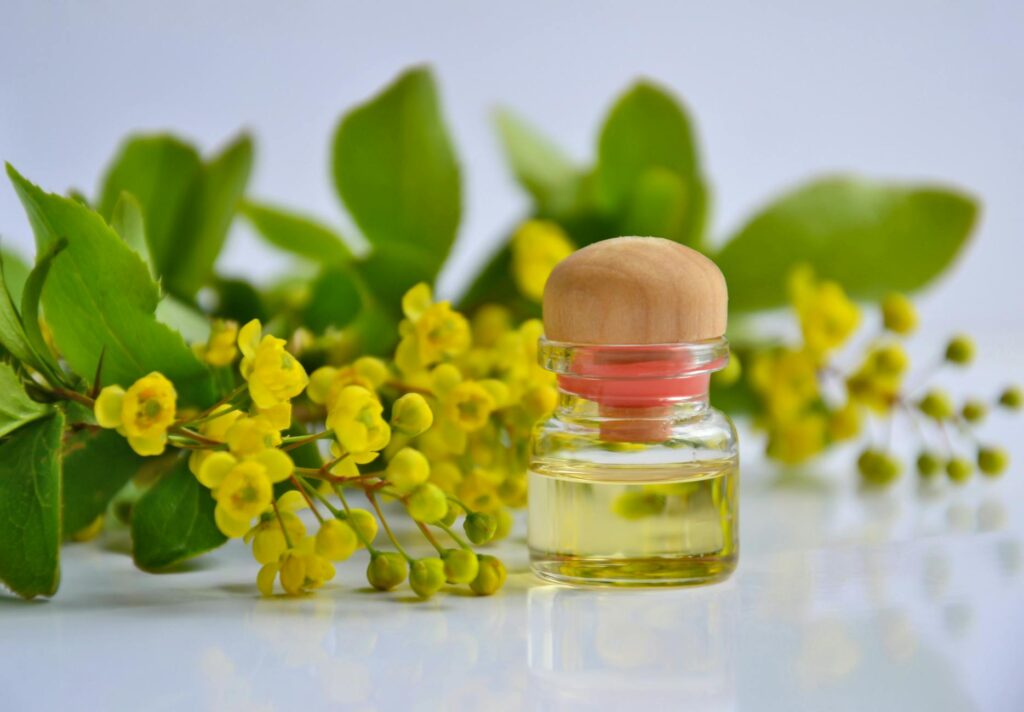
Elderflower extract is a concentrated form of the essence of elderflowers, typically obtained through methods such as steam distillation or solvent extraction. The flowers, characterized by their delicate white blossoms and sweet fragrance, are collected from the elderberry bush, which is native to Europe and parts of North America. The extract captures the aromatic compounds and beneficial properties found in the flowers, making it a popular ingredient in perfumes, cosmetics, and culinary applications.
The elderflower itself is part of the elder tree, which can grow to be quite large, reaching heights of up to 30 feet. The flowers bloom in late spring and early summer, making this period the prime time for harvesting. Elderflower extract is often used for its pleasant scent and potential health benefits, though it is essential to distinguish between the extract and other parts of the elder plant, such as the berries, which can be toxic if consumed raw.
Key Benefits and Properties
Elderflower extract is renowned for its numerous beneficial properties. Some of the key benefits include:
1. Anti-inflammatory Properties: Elderflower has been recognized for its potential to reduce inflammation, making it a sought-after ingredient in various products.
2. Antioxidant Activity: The extract contains antioxidants that help combat oxidative stress in the body, contributing to overall wellness.
3. Respiratory Support: Traditionally, elderflower has been used to support respiratory health, often found in syrups and teas.
4. Skin Soothing Benefits: Elderflower extract is known for its soothing properties, making it a popular choice in skincare formulations for calming irritated skin.
5. Mood Enhancement: The pleasant aroma of elderflower is often associated with mood-lifting effects, making it a valuable addition to aromatherapy practices.
Common Uses
Elderflower extract is versatile and can be found in various applications, including:
- Culinary Uses: Elderflower is often used to make syrups, cordials, and liqueurs. Its floral flavor pairs well with fruits, desserts, and beverages.
- Cosmetics: The soothing and fragrant properties of elderflower make it a popular ingredient in lotions, creams, and perfumes.
- Herbal Remedies: Elderflower is commonly used in herbal teas and tinctures due to its traditional use in supporting health.
- Aromatherapy: The extract is utilized in diffusers and aromatherapy blends for its uplifting scent.
- Diffusion: Elderflower extract can be diffused in a room to create a calming atmosphere, ideal for meditation or relaxation.
- Massage Oils: Blending elderflower extract with carrier oils can enhance massage experiences, providing both aromatic pleasure and skin nourishment.
- Bath Products: Adding elderflower extract to bath products can create a soothing and aromatic experience, helping to relieve tension and promote tranquility.
- Inhalation: Direct inhalation of elderflower extract can be used as a quick way to lift mood and refresh the senses.
- Allergies: Individuals with allergies to plants in the Adoxaceae family or those who have shown hypersensitivity to elderflower should exercise caution.
- Pregnancy and Nursing: Although traditionally used, pregnant or nursing individuals should consult a healthcare professional prior to using elderflower extract.
- Quality of Product: It is essential to source elderflower extract from reputable suppliers to ensure purity and safety, as adulterated or contaminated products may pose risks.
- Dosage: As with any extract, it is vital to follow recommended dosages and consult guidelines to avoid adverse effects.
- Cool, Dark Place: Store elderflower extract in a cool, dark environment to prevent degradation from light and heat.
- Tightly Sealed Containers: Use airtight containers to minimize exposure to air and moisture, which can affect the extract’s potency.
- Shelf Life: Depending on the extraction method and storage conditions, elderflower extract typically has a shelf life of 1-3 years. Always check for any signs of spoilage before use.
Aromatherapy Applications
In aromatherapy, elderflower extract is valued for its fragrant profile and potential emotional benefits. Its sweet, floral scent is believed to promote relaxation and alleviate stress. Here are some common applications in aromatherapy:
Safety Considerations
While elderflower extract is generally considered safe for most individuals, there are several important safety considerations:
Storage and Shelf Life
To maintain the quality of elderflower extract, proper storage is essential. Here are some guidelines:
Frequently Asked Questions
1. Where can I find elderflower extract?
Elderflower extract can be purchased from health food stores, specialty herbal shops, and online retailers. Ensure that you choose products from reputable brands.
2. Is elderflower extract safe for children?
Generally, elderflower extract is considered safe for children in moderation. However, it is always best to consult with a healthcare provider before introducing any new herbal products to children’s diets.
3. Can I use elderflower extract in cooking?
Yes, elderflower extract is commonly used in culinary applications, including desserts, beverages, and syrups. It adds a unique floral flavor to dishes.
4. How do I incorporate elderflower extract into my skincare routine?
Elderflower extract can be added to creams, lotions, or masks. It can also be blended with carrier oils for massage or used in bath products for a soothing experience.
5. Are there any side effects of using elderflower extract?
While generally safe, some individuals may experience allergic reactions or skin irritation. It is advisable to conduct a patch test before widespread use.
Conclusion
Elderflower extract, with its rich history and versatile applications, continues to be a celebrated ingredient in various domains, from culinary arts to aromatherapy. Understanding its origins, benefits, and safe usage can enhance one’s appreciation for this beautiful botanical extract. As interest in natural remedies and holistic practices grows, elderflower extract remains a cherished element in promoting well-being and enriching experiences.