
History and Origins of Emotional Balance Blends
Introduction
The use of essential oils for emotional balance has a rich history that spans various cultures and time periods. From ancient civilizations to modern wellness practices, the pursuit of emotional well-being through aromatic compounds has remained relevant. Emotional balance blends, often composed of a harmonious mix of essential oils, are specifically designed to promote feelings of calm, joy, and stability. This article delves into the history and origins of these blends, exploring their components, benefits, applications, and safety considerations.
What Is Emotional Balance Blends?
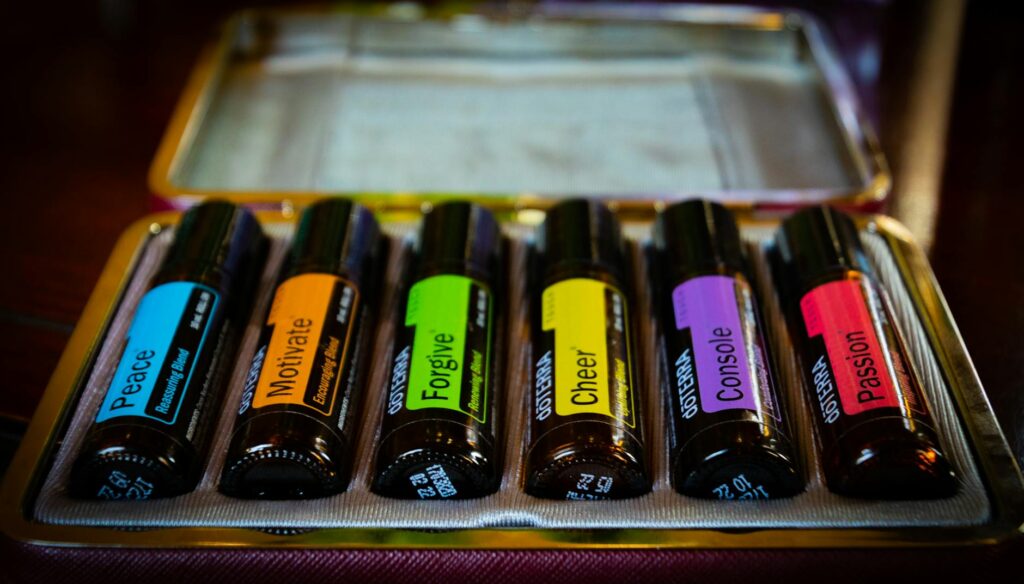
Emotional balance blends refer to combinations of essential oils formulated to address emotional and mental states. These blends often incorporate oils known for their calming, uplifting, or stabilizing properties. Common oils used in these blends include lavender, bergamot, ylang-ylang, and frankincense, among others. The synergy created by combining different oils can enhance their individual effects, promoting a sense of emotional equilibrium.
Historically, the practice of blending essential oils for emotional health can be traced back to ancient traditions. Various cultures recognized the power of plants and their essential oils in influencing mood and mental states. The art of crafting these blends has evolved over time, combining traditional knowledge with contemporary understanding of aromatherapy.
Key Benefits and Properties
Emotional balance blends are celebrated for their wide-ranging benefits, both psychological and physiological. Some of the key benefits include:
1. Stress Reduction: Many essential oils used in emotional balance blends have calming effects that can help alleviate stress and anxiety.
2. Mood Enhancement: Certain oils are known to uplift the spirit and promote feelings of happiness and contentment, providing a natural way to combat low moods.
3. Emotional Stability: Blends can assist in stabilizing emotions, making them particularly useful during times of emotional upheaval.
4. Sleep Support: Some oils promote relaxation and can help improve sleep quality, contributing to overall emotional well-being.
5. Focus and Clarity: Certain blends can enhance mental clarity and focus, making them beneficial for those experiencing mental fatigue or emotional overwhelm.
Common Uses
Emotional balance blends can be utilized in various contexts, making them versatile tools for emotional wellness. Common uses include:
1. Diffusion: One of the most popular methods, diffusing essential oils in a space allows for the gradual release of their aromatic compounds, creating an uplifting atmosphere.
2. Topical Application: When diluted with a carrier oil, emotional balance blends can be applied to pulse points, promoting a sense of calm throughout the day.
3. Bathing: Adding essential oils to bathwater can provide a deeply relaxing experience, allowing the oils to be absorbed through the skin while also being inhaled.
4. Inhalation: Directly inhaling the aroma from a bottle or via an inhaler can offer immediate emotional support.
5. Meditation and Yoga: Incorporating emotional balance blends into meditation or yoga practices can enhance the experience, promoting a deeper state of relaxation and mindfulness.
Aromatherapy Applications
Aromatherapy is the practice of using essential oils for therapeutic benefits, including emotional balance. The applications of emotional balance blends in aromatherapy are extensive:
1. Personal Care Products: Many skincare and personal care products incorporate emotional balance blends, allowing users to experience their benefits in daily routines.
2. Workspaces: Diffusing emotional balance blends in office settings can create an environment conducive to productivity and emotional well-being.
3. Counseling and Therapy: Some practitioners integrate aromatherapy into therapeutic settings, using emotional balance blends to support clients during sessions.
4. Events and Gatherings: Utilizing these blends in social settings can foster a welcoming and calming atmosphere, enhancing interactions and experiences.
5. Self-Care Routines: Incorporating these blends into self-care practices, such as journaling or relaxation techniques, can enhance emotional awareness and balance.
Safety Considerations
While emotional balance blends offer numerous benefits, it is essential to approach their use with caution. Here are some safety considerations:
1. Dilution: Essential oils are highly concentrated and should be diluted with a carrier oil before topical application to avoid skin irritation.
2. Allergic Reactions: Perform a patch test before using a new blend on the skin to check for any allergic reactions.
3. Pregnancy and Nursing: Certain essential oils may not be suitable for pregnant or nursing individuals. It is advisable to consult a qualified professional before use.
4. Medical Conditions: Individuals with specific medical conditions or those taking medications should seek advice before using emotional balance blends, as some oils can interact with medications.
5. Quality of Oils: The quality of essential oils can vary significantly. It is critical to source oils from reputable suppliers to ensure purity and effectiveness.
Storage and Shelf Life
Proper storage is vital for preserving the integrity and longevity of emotional balance blends. Here are some guidelines:
1. Cool, Dark Place: Essential oils should be stored in a cool, dark area to prevent degradation from light and heat.
2. Airtight Containers: Use dark glass bottles with airtight seals to minimize exposure to air and light.
3. Shelf Life: While essential oils can last for several years, their shelf life varies. Citrus oils typically have a shorter shelf life of about one to two years, while oils like sandalwood and patchouli can last longer.
4. Labeling: Clearly label blends with the date of creation and ingredients to track their freshness.
Frequently Asked Questions
1. Can I create my own emotional balance blend?
Yes, creating your own blend can be a rewarding experience. Start by selecting essential oils known for their emotional benefits and experimenting with different ratios to find your preferred scent.
2. How do I choose the right oils for my emotional needs?
Consider your emotional state and goals. For instance, if you are seeking calmness, oils like lavender or chamomile may be beneficial. Research the properties of various oils to determine which align with your needs.
3. How often should I use emotional balance blends?
The frequency of use depends on personal preference and individual needs. Some may find daily application beneficial, while others may use them as needed during stressful moments.
4. Are emotional balance blends safe for children?
Caution is advised when using essential oils around children. Some oils may not be safe for young ones, and dilution is crucial. Consult a knowledgeable professional for guidance.
5. Can I use emotional balance blends with other forms of therapy?
Emotional balance blends can complement other forms of therapy, such as talk therapy or mindfulness practices. However, it is advisable to discuss their use with your healthcare provider.
In summary, emotional balance blends have deep historical roots and continue to play a pivotal role in modern aromatherapy. By understanding their origins, benefits, and applications, individuals can effectively incorporate these blends into their emotional wellness practices, promoting a balanced and harmonious life.