
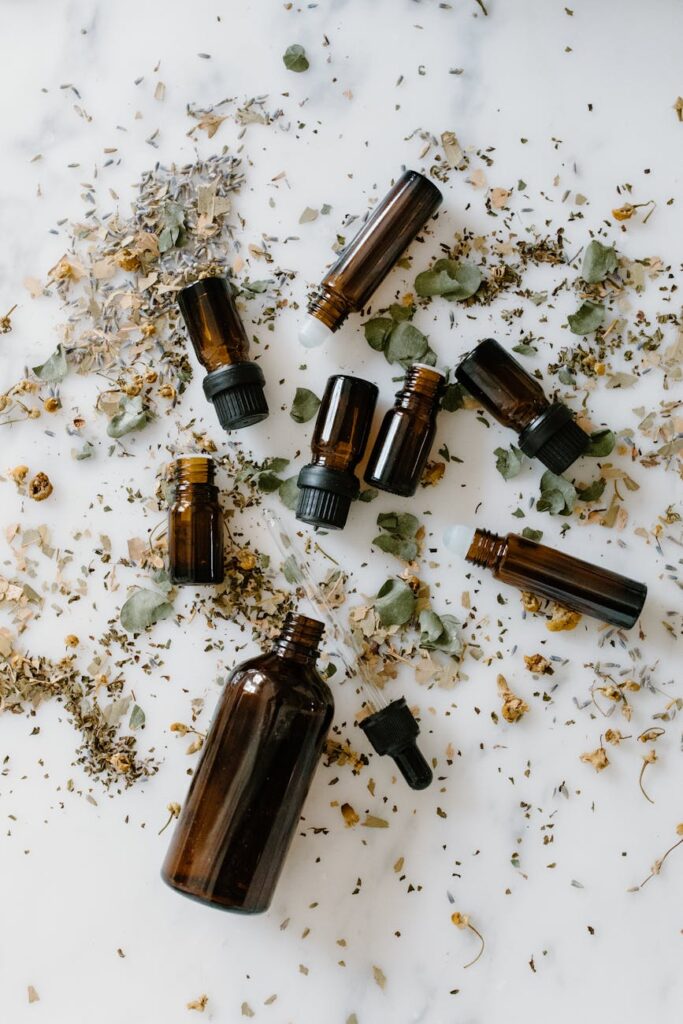
History and Origins of Essential Oil Blends for Anxiety and Stress Management
Introduction
Essential oils have been used for centuries, with historical roots tracing back to ancient civilizations. The diverse applications of these aromatic compounds encompass a wide range of therapeutic benefits, including stress and anxiety management. This article explores the history and origins of essential oil blends specifically formulated for alleviating these common emotional challenges.
What Is Essential Oil Blends for Anxiety and Stress Management?
Essential oil blends for anxiety and stress management are carefully formulated combinations of various essential oils that are believed to promote relaxation, reduce tension, and enhance emotional well-being. These blends typically include oils known for their calming properties, such as lavender, chamomile, and bergamot. The synergistic effects of these oils can contribute to a holistic approach to emotional health.
Key Benefits and Properties
The essential oils used in these blends possess unique chemical compositions that contribute to their therapeutic effects. Here are some key benefits and properties commonly associated with essential oils for anxiety and stress management:
1. Calming Effects: Many essential oils, like lavender and ylang-ylang, are known for their ability to induce relaxation and tranquility.
2. Mood Enhancement: Oils such as bergamot and sweet orange have uplifting properties that can help improve mood and alleviate feelings of anxiety.
3. Promoting Sleep: Certain blends may aid in sleep quality by providing a calming atmosphere conducive to rest, making them beneficial for individuals experiencing stress-related insomnia.
4. Reduction of Muscle Tension: Some essential oils can help ease physical tension in the body, which often accompanies stress.
5. Mindfulness and Focus: Certain aromatic profiles can enhance concentration and mindfulness, which are valuable tools in managing anxiety.
Common Uses
Essential oil blends for anxiety and stress management can be utilized in various ways, depending on individual preferences and specific situations. Here are some common uses:
- Diffusion: Using a diffuser, essential oil blends can be dispersed into the air, allowing individuals to inhale the soothing aromas throughout their living or working spaces.
- Topical Application: Blending essential oils with a carrier oil enables safe application on the skin. Popular areas for application include the wrists, neck, and temples.
- Bath Soaks: Adding essential oil blends to bathwater can create a relaxing environment, enhancing the overall bathing experience.
- Inhalation: For immediate relief, individuals may choose to inhale essential oils directly from the bottle or apply a few drops to a handkerchief.
- Massage: Incorporating essential oil blends into massage therapy can enhance relaxation and relieve muscle tension.
- Personal Care: Many individuals incorporate essential oil blends into their daily routines, using them in skincare, haircare, and personal fragrance.
- Workplace Environment: Diffusing calming essential oils in the workplace can create a serene atmosphere, promoting focus and productivity while reducing stress.
- Therapeutic Settings: Aromatherapy is frequently used by professionals in settings such as spas, wellness centers, and even hospitals to support emotional well-being.
- Mindfulness Practices: Essential oil blends are often used in conjunction with meditation, yoga, or breathing exercises to enhance relaxation and mindfulness.
- Cool, Dark Place: Store essential oils in a cool, dark environment away from direct sunlight and heat, as light and temperature can degrade the oils.
- Tight-Sealing Containers: Use dark glass bottles with tight-sealing lids to minimize exposure to air and light. This helps preserve the integrity of the oils.
- Shelf Life: The shelf life of essential oils varies, typically ranging from 1 to 10 years, depending on the type of oil. Citrus oils tend to have shorter shelf lives, while oils like patchouli can last longer.
Aromatherapy Applications
The practice of aromatherapy integrates the use of essential oil blends into various therapeutic settings. Here are some common applications:
Safety Considerations
While essential oils are generally considered safe when used appropriately, there are several safety considerations to keep in mind:
1. Dilution: Essential oils are highly concentrated and should be diluted before topical application. A common dilution ratio is 2-3 drops of essential oil per teaspoon of carrier oil.
2. Patch Testing: Before using a new essential oil blend on the skin, it is advisable to conduct a patch test to check for any adverse reactions.
3. Pregnancy and Nursing: Certain essential oils may not be safe for pregnant or nursing individuals. Consultation with a qualified professional is recommended.
4. Medical Conditions: Individuals with specific health conditions or those taking medication should seek guidance from a healthcare provider before using essential oils.
5. Allergies: Always verify that no allergies exist to the essential oils in the blend, as allergic reactions can occur.
Storage and Shelf Life
Proper storage is crucial for maintaining the quality and efficacy of essential oil blends. Here are some tips for optimal storage:
Frequently Asked Questions
What are the best essential oils for anxiety?
There are several essential oils commonly recognized for their calming effects, including lavender, chamomile, frankincense, bergamot, and ylang-ylang.
Can essential oil blends replace medication for anxiety?
Essential oil blends can complement traditional therapies but should not replace prescribed medications without consultation from a healthcare provider.
How should I use essential oil blends for stress relief?
Essential oils can be diffused, inhaled, or applied topically in diluted forms. The method of use can vary based on personal preference and desired outcomes.
Are there any side effects associated with essential oils?
While generally safe, some individuals may experience skin irritation or allergic reactions. It’s essential to conduct patch tests and consult with professionals when necessary.
How can I make my own essential oil blend for anxiety?
Creating a personalized blend can be a rewarding experience. Start by selecting 2-3 essential oils known for their calming properties, then mix them with a carrier oil for topical application or use them in a diffuser.
Conclusion
The history of essential oil blends for anxiety and stress management reveals a rich tapestry woven from ancient practices and modern applications. As interest in holistic health continues to grow, these aromatic compounds remain a valuable tool for promoting emotional well-being. Whether through diffusion, topical application, or integration into daily routines, essential oil blends offer a versatile approach to managing stress and anxiety, inviting individuals to explore the calming power of nature.