
History and Origins of Essential Oil Blends for Detoxification and Purification
Introduction
Essential oils have been utilized for thousands of years across various cultures for their aromatic properties and therapeutic benefits. Among the myriad applications of essential oils, blends specifically designed for detoxification and purification have garnered significant attention. This article will explore the historical roots, definitions, benefits, applications, and safe practices surrounding essential oil blends for detoxification and purification.
What Is Essential Oil Blends for Detoxification and Purification?
Essential oil blends for detoxification and purification refer to combinations of concentrated plant extracts that are designed to support the body’s natural cleansing processes. These blends typically include oils known for their purifying properties, such as lemon, eucalyptus, peppermint, and tea tree oil. When combined, these oils can work synergistically, enhancing their individual benefits while creating a more potent formulation.
Historically, many cultures have recognized the importance of cleansing both physically and spiritually. Ancient texts from Egypt, China, and Greece indicate that various aromatic plants were used not only for fragrance but also for their perceived ability to purify the environment and the body.
Key Benefits and Properties
The benefits of essential oil blends for detoxification and purification can be categorized into several key properties:
1. Antimicrobial Effects: Many essential oils possess antimicrobial properties, making them effective in reducing harmful microorganisms in the environment. For instance, tea tree oil and eucalyptus oil are well-known for their ability to combat bacteria and fungi.
2. Respiratory Support: Oils like peppermint and eucalyptus can help open airways and support respiratory health, facilitating the body’s natural detox processes.
3. Emotional Clarity: The aromatic components in essential oils can influence mood and emotional well-being. Citrus oils, such as lemon and grapefruit, are often associated with uplifting feelings and mental clarity, which can be beneficial during detoxification.
4. Digestive Aid: Certain oils, such as ginger and fennel, are traditionally used to assist with digestion, which is an important aspect of the body’s detoxification processes.
5. Skin Health: Essential oils like lavender and tea tree have properties that can support skin health, helping to purify the skin and promote a clear complexion.
Common Uses
Essential oil blends for detoxification and purification can be employed in various ways, depending on individual preferences and needs. Common uses include:
1. Diffusion: One of the most popular methods, diffusion involves dispersing essential oils into the air using a diffuser. This method is effective for purifying the air and creating a calming environment.
2. Topical Application: When diluted with a carrier oil, essential oil blends can be applied to the skin. This is particularly useful for targeted areas, such as the chest for respiratory support or the abdomen for digestive aid.
3. Bathing: Adding essential oil blends to bathwater can enhance relaxation and provide a purifying experience, allowing for both physical and emotional cleansing.
4. Cleaning Products: Many people incorporate essential oils into homemade cleaning products, leveraging their antimicrobial properties to purify surfaces in the home.
5. Inhalation: Direct inhalation of essential oils from the bottle or via steam inhalation can offer immediate benefits, especially for respiratory support.
Aromatherapy Applications
Aromatherapy, the practice of using essential oils for therapeutic purposes, plays a vital role in the application of essential oil blends for detoxification and purification. Various methods can be employed in aromatherapy to maximize the benefits of these blends:
1. Personal Inhalers: Small, portable inhalers can be filled with essential oil blends for on-the-go use, making it easy to support emotional and physical well-being throughout the day.
2. Massage: Incorporating essential oil blends into massage oils can enhance the therapeutic effects of massage therapy, promoting relaxation and supporting detoxification through skin absorption.
3. Meditation and Yoga: Using essential oil blends during meditation or yoga practices can enhance focus and emotional well-being, creating a more profound experience of cleansing and purification.
4. Workshops and Classes: Many practitioners offer workshops on creating personalized blends for detoxification and purification, providing an educational approach to the use of essential oils.
Safety Considerations
While essential oils can offer numerous benefits, it is essential to use them safely. Here are some key safety considerations:
1. Dilution: Essential oils are highly concentrated and should be diluted with a carrier oil before applying to the skin to prevent irritation.
2. Patch Testing: Conduct a patch test on a small area of skin to check for any allergic reactions before widespread use.
3. Quality of Oils: Use high-quality, pure essential oils from reputable sources to ensure safety and efficacy. Look for oils that are labeled as therapeutic grade.
4. Pregnancy and Medical Conditions: Pregnant individuals, nursing mothers, and those with specific medical conditions should consult with a healthcare professional before using essential oils.
5. Storage: Essential oils should be stored in a cool, dark place, away from direct sunlight, to maintain their potency and safety.
Storage and Shelf Life
The shelf life of essential oils can vary significantly based on their chemical composition and storage conditions. Generally, most essential oils have a shelf life ranging from 1 to 5 years. Here are some tips for proper storage:
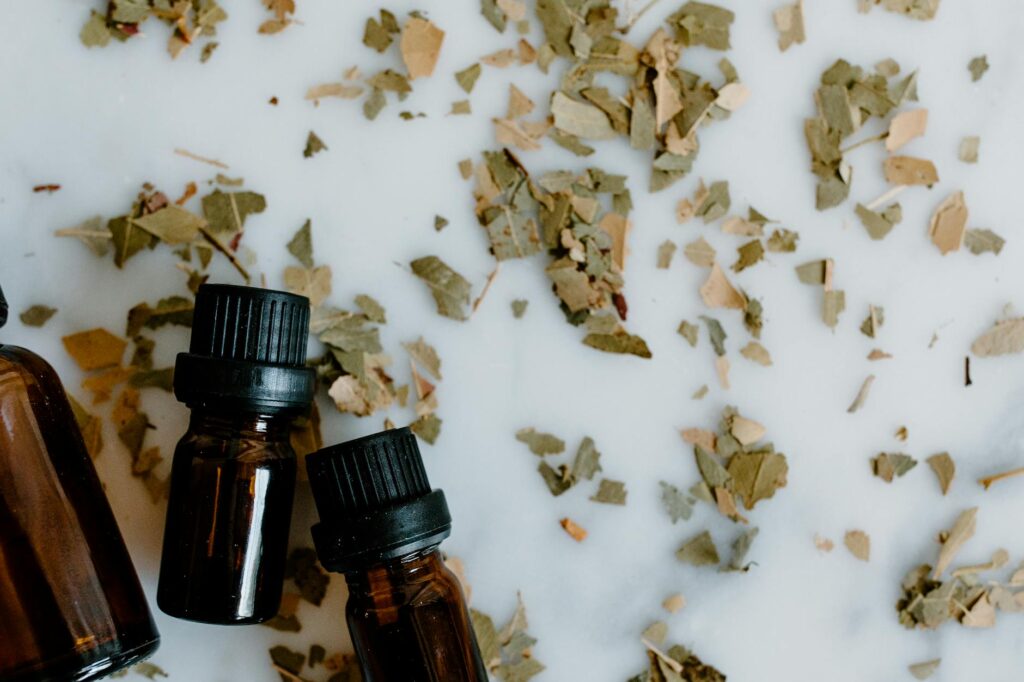
1. Dark Glass Containers: Store essential oils in dark glass bottles to protect them from light exposure, which can degrade their quality.
2. Cool Environment: Keep oils in a cool location, as heat can accelerate the degradation process.
3. Tightly Sealed: Ensure that bottles are tightly sealed to prevent oxygen from entering and altering the oil’s chemical composition.
4. Labeling: Clearly label bottles with the name of the oil and the date of purchase to keep track of their shelf life.
Frequently Asked Questions
1. Can essential oils detoxify the body?
Essential oils can support the body’s natural detoxification processes but are not a substitute for medical treatment. They can enhance emotional and physical well-being during detoxification.
2. How do I choose the right essential oil blend for detoxification?
Selecting a blend depends on personal preferences and specific needs. Research different oils and their properties, and consider creating a blend that resonates with you.
3. Are there any contraindications for using essential oils?
Yes, certain essential oils may not be suitable for everyone. Pregnant individuals, children, and those with specific health conditions should consult a healthcare provider before using essential oils.
4. How can I incorporate essential oil blends into my daily routine?
You can diffuse oils at home, apply them during massage, add them to your bath, or use them in cleaning products to incorporate essential oils easily into your daily life.
5. Can essential oils be ingested?
Ingesting essential oils should only be done under the guidance of a qualified professional, as some oils can be toxic if consumed improperly.
Conclusion
The history and origins of essential oil blends for detoxification and purification reveal a rich tapestry of cultural practices and natural wisdom. As modern interest in holistic health continues to grow, essential oils remain a valuable resource for those seeking to enhance their well-being. By understanding the properties, applications, and safety considerations of these aromatic plant extracts, individuals can make informed choices that align with their personal health goals.