
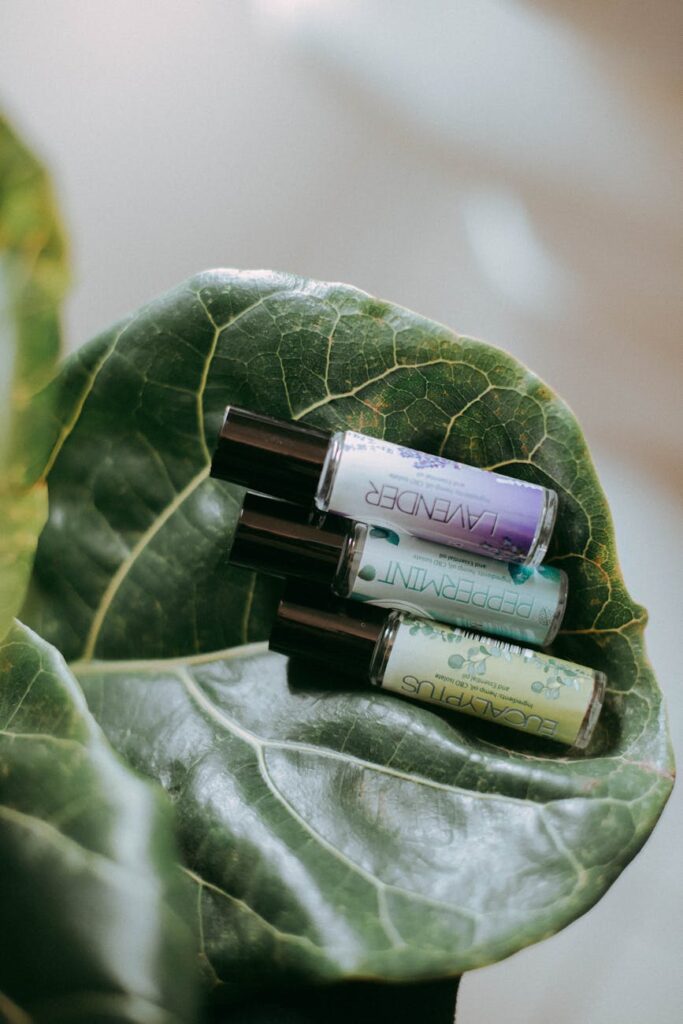
History and Origins of Essential Oil Blends for Emotional Balance
Introduction
The use of essential oils and their blends has been woven into the fabric of human history for millennia. Cultures across the globe have harnessed the aromatic properties of plants to promote health, well-being, and emotional balance. This article aims to explore the history and origins of essential oil blends specifically designed for emotional equilibrium, delving into their historical significance, key benefits, applications, and safety considerations.
What Is Essential Oil Blends for Emotional Balance?
Essential oil blends for emotional balance consist of various concentrated plant extracts, often derived from flowers, leaves, roots, and bark. These oils are combined based on their individual aromatic properties and therapeutic benefits, designed to evoke specific emotional responses or promote mental clarity and calmness. Commonly used oils include lavender for relaxation, bergamot for uplifting moods, and frankincense for grounding.
The concept of emotional balance in aromatherapy is grounded in the belief that aromas can influence the mind and body. The olfactory system, which is directly linked to the limbic system—the part of the brain responsible for emotions—suggests that inhaling essential oils can provoke emotional responses, making blends a powerful tool for emotional regulation.
Key Benefits and Properties
Essential oil blends aimed at emotional balance offer a variety of potential benefits:
1. Mood Enhancement: Many essential oils are thought to have uplifting properties that can enhance mood and reduce feelings of anxiety and depression. For example, citrus oils like lemon and orange are often used for their refreshing and invigorating effects.
2. Stress Reduction: Oils such as chamomile and lavender are well-known for their calming properties, helping to reduce stress and promote relaxation.
3. Mental Clarity: Certain blends, like those containing peppermint or rosemary, may improve focus and concentration, making them beneficial for mental clarity.
4. Grounding and Centering: Oils such as vetiver and sandalwood can provide a sense of grounding, helping individuals feel more centered and secure.
5. Support for Emotional Release: Some essential oils are thought to aid in emotional processing, allowing individuals to release pent-up feelings and achieve emotional balance.
Common Uses
Essential oil blends for emotional balance can be utilized in various ways, including:
- Diffusion: Adding essential oils to a diffuser allows the aroma to permeate a space, creating a calming or uplifting atmosphere.
- Topical Application: Blends can be diluted with carrier oils and applied to pulse points, such as wrists or neck, for localized benefits.
- Inhalation: Direct inhalation from a bottle or a personal inhaler can provide immediate emotional support.
- Baths: Adding essential oil blends to bathwater can enhance relaxation and promote a sense of well-being.
- Massage: Incorporating essential oils into massage oils can provide both physical and emotional benefits.
- Wellness Centers: Many spas and wellness centers offer aromatherapy sessions with essential oil blends for emotional balance.
- Work Environments: Some companies are now integrating aromatherapy in the workplace to promote employee well-being and productivity.
- Home Use: Individuals may create their own blends or purchase pre-made products to use in their daily routines.
Aromatherapy Applications
Aromatherapy, the practice of using essential oils for therapeutic purposes, has a long history rooted in various cultural traditions. The ancient Egyptians utilized essential oils in their embalming practices and rituals, while the Greeks and Romans incorporated aromatics into their bathing and relaxation routines.
In traditional Chinese medicine, aromatic plants were employed to balance the body’s energy. Similarly, Indian Ayurvedic practices recognized the importance of scents in achieving emotional and physical balance.
Today, essential oil blends are commonly used in various contexts, including:
Safety Considerations
While essential oils are generally considered safe for use, several important precautions should be observed:
1. Dilution: Essential oils are potent and should always be diluted with a carrier oil before topical application to prevent skin irritation.
2. Allergies and Sensitivities: Some individuals may have allergies or sensitivities to certain essential oils. A patch test is recommended before widespread application.
3. Pregnancy and Nursing: Pregnant or nursing individuals should consult with a healthcare professional before using essential oils, as some oils may not be safe during these periods.
4. Children: Special care should be taken when using essential oils around children. Some oils may not be suitable for young ones, and appropriate dilution is crucial.
5. Medical Conditions: Individuals with specific medical conditions or those taking medications should consult a healthcare professional before incorporating essential oils into their routines.
Storage and Shelf Life
Proper storage of essential oils is crucial to maintain their efficacy and prolong their shelf life. Here are some guidelines:
1. Containers: Essential oils should be stored in dark glass bottles to protect them from light, which can degrade their quality.
2. Temperature: Keep oils in a cool, dry place, away from direct sunlight and heat sources.
3. Expiration: While essential oils do not have a strict expiration date, their potency may diminish over time. Generally, citrus oils have a shorter shelf life (1-2 years), while oils like patchouli, sandalwood, and vetiver can last for many years if stored properly.
Frequently Asked Questions
1. How do I choose the right essential oil blend for emotional balance?
Selecting an essential oil blend depends on your specific emotional needs. For instance, if you are seeking relaxation, consider blends containing lavender or chamomile. If you are looking for an energy boost, citrus oils may be more appropriate.
2. Can I create my own essential oil blends?
Yes, many individuals enjoy creating their own blends. Start with a base oil and add a few drops of your chosen essential oils. Experimenting with different combinations can lead to personalized and effective blends.
3. How long do essential oil blends last?
The longevity of essential oil blends varies based on the oils used and storage conditions. In general, properly stored blends can last from 1 to several years.
4. Are essential oils safe for pets?
Some essential oils can be toxic to pets. It is advisable to consult a veterinarian before using essential oils around animals, as they may have different sensitivities.
5. Can essential oils replace traditional therapies for emotional issues?
Essential oils should not be considered a replacement for traditional therapies. They can complement other therapeutic practices but should be used as part of a holistic approach to emotional well-being.
Conclusion
The history and origins of essential oil blends for emotional balance reveal a rich tapestry of cultural practices and beliefs surrounding the power of scent. With their diverse applications and potential benefits, essential oils continue to play a significant role in promoting emotional well-being in today’s world. As interest in holistic approaches to health grows, understanding the safe and effective use of these aromatic treasures becomes increasingly important.