
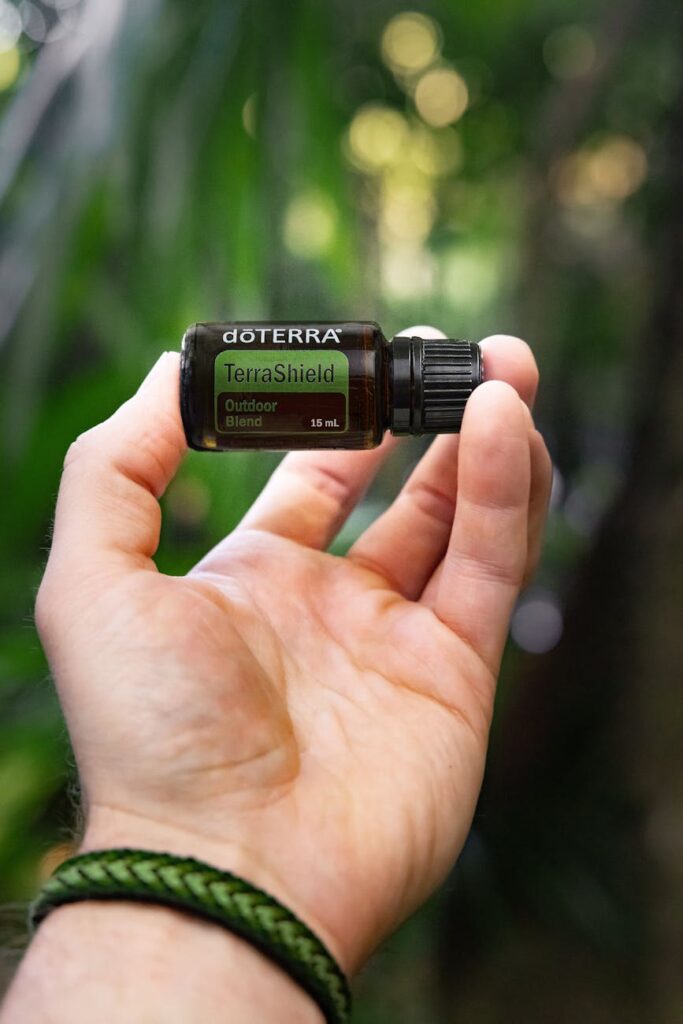
History and Origins of Essential Oil Blends for Immune Defense
Introduction
Essential oils have been utilized for thousands of years for various purposes, including medicinal, cosmetic, and spiritual applications. The practice of blending these oils for specific health benefits, particularly for immune defense, has a rich history that spans different cultures and civilizations. This article delves into the historical context of essential oil blends aimed at bolstering the immune system, exploring their origins, applications, and the science behind their effects.
What Are Essential Oil Blends for Immune Defense?
Essential oil blends for immune defense refer to combinations of various essential oils that are believed to enhance the body’s immune response. These blends often contain oils derived from plants known for their antimicrobial, antiviral, and antifungal properties. The idea is that through synergistic effects, the combination of these oils can provide a more potent defense against pathogens than individual oils alone.
Commonly used essential oils in these blends include tea tree, eucalyptus, lavender, and lemon. Each oil contributes its unique profile of active compounds, which can work in harmony to promote overall health and wellness.
Key Benefits and Properties
The key benefits of essential oil blends for immune defense are primarily attributed to their chemical makeup. Many essential oils possess properties that can help support the immune system:
1. Antimicrobial Properties: Many essential oils have been shown to exhibit antimicrobial activity, making them effective against bacteria, viruses, and fungi. For example, tea tree oil is well-known for its antibacterial and antifungal properties.
2. Anti-inflammatory Effects: Certain oils, such as eucalyptus and lavender, may help reduce inflammation, which can be beneficial for overall health.
3. Stress Reduction: Chronic stress can compromise the immune system. Aromatherapy with essential oils like bergamot and chamomile can promote relaxation and emotional well-being, indirectly supporting immune function.
4. Antioxidant Activity: Some essential oils, such as rosemary and oregano, are rich in antioxidants, which can help neutralize free radicals and reduce oxidative stress in the body.
5. Respiratory Support: Oils like peppermint and eucalyptus are often used for their ability to clear the respiratory tract, which can facilitate easier breathing and support immune health.
Common Uses
The application of essential oil blends for immune defense is diverse and can be adapted for various settings. Common uses include:
- Diffusion: One of the most popular methods, where a blend is added to a diffuser to release aromatic compounds into the air, creating an uplifting and protective environment.
- Topical Application: Blends can be diluted with a carrier oil and applied to the skin. Common areas include pulse points, the chest, and the soles of the feet, where absorption is enhanced.
- Inhalation: Directly inhaling essential oils from a bottle or a cotton ball can provide immediate aromatic benefits, especially during seasonal changes when colds and flu are prevalent.
- Bathing: Adding essential oil blends to bathwater can create a soothing environment while promoting relaxation and immune support.
- Household Cleaning: Some essential oils have antibacterial properties, making them effective ingredients in homemade cleaning solutions.
- Cool, Dark Places: Essential oils should be stored in a cool, dark place away from direct sunlight to prevent degradation.
- Seal Tight: Always ensure that the bottles are tightly sealed to prevent evaporation and contamination.
- Shelf Life: The shelf life of essential oils varies; generally, citrus oils have a shorter shelf life (1-2 years), while oils like patchouli can last for many years. Always check for signs of degradation, such as changes in scent or consistency.
Aromatherapy Applications
Aromatherapy is the practice of using essential oils to improve physical, mental, and emotional well-being. When it comes to immune defense, aromatherapy can play a crucial role:
1. Stress Relief: Blends that include calming oils like lavender and bergamot can help reduce stress levels, thereby indirectly supporting immune function.
2. Seasonal Support: During times of year when colds and flu are common, using immune-boosting blends in a diffuser can help purify the air and create a protective atmosphere.
3. Mindfulness Practices: Incorporating essential oils into meditation or yoga practices can enhance focus and promote a sense of calm, contributing to better overall health.
4. Personalized Blends: Aromatherapists often create customized blends based on individual needs, preferences, and health considerations, ensuring a personalized approach to immune defense.
Safety Considerations
While essential oils are generally considered safe for use, there are important safety considerations to keep in mind:
1. Dilution: Essential oils are highly concentrated and should always be diluted in a carrier oil before topical application to prevent skin irritation.
2. Allergic Reactions: Individuals may have allergies or sensitivities to specific oils. It is advisable to conduct a patch test before widespread application.
3. Pregnancy and Nursing: Some essential oils are contraindicated during pregnancy or breastfeeding. Consulting a qualified practitioner is recommended in such cases.
4. Children and Pets: Certain essential oils may not be safe for use around young children or pets. Always check guidelines specific to their use around these groups.
5. Consultation with Professionals: While essential oils can provide supportive benefits, they should not replace conventional medical treatments. It is wise to consult healthcare professionals when necessary.
Storage and Shelf Life
Proper storage of essential oils is crucial to maintain their efficacy and longevity:
Frequently Asked Questions
1. How do I choose the right essential oil blend for immune defense?
Choosing the right blend often involves understanding your personal preferences and needs. Research the properties of various oils, and consider your specific health goals. Consulting with a certified aromatherapist can also provide tailored guidance.
2. Can I create my own essential oil blends for immune defense?
Yes, many individuals enjoy creating their own blends. Start with a base oil and add a few drops of your chosen essential oils, keeping in mind their properties and safety guidelines. Always document your recipes for future reference.
3. How often can I use essential oil blends for immune defense?
The frequency of use depends on your specific needs and the method of application. For diffusion, you can use blends several times a day, while topical applications may be limited to a few times daily to avoid irritation.
4. Are there any medical conditions that contraindicate the use of essential oils?
Individuals with certain medical conditions, particularly those affecting the skin, respiratory system, or hormonal balance, should consult healthcare providers before using essential oils. Always disclose any existing health issues when seeking professional advice.
5. Can essential oils replace traditional medicine?
Essential oils can complement traditional medicine, but they should not be seen as a replacement. Always follow medical advice and consult with healthcare professionals regarding any health concerns.
Conclusion
The history and origins of essential oil blends for immune defense reveal a tapestry woven through cultures, traditions, and practices. As our understanding of these aromatic compounds continues to evolve, so does our appreciation for their potential benefits. While essential oils can provide supportive measures for immune health, they should be utilized responsibly and in conjunction with traditional medical practices. Whether through diffusion, topical application, or household use, the integration of these natural substances into our daily routines can enhance our overall well-being and foster a greater connection to the healing properties of nature.