
History and Origins of Essential Oil Blends for Massage
Introduction
The use of essential oils for therapeutic purposes has a rich and diverse history that spans thousands of years and various cultures. Among the myriad applications of essential oils, their use in massage therapy stands out as a particularly holistic approach to enhancing well-being. This article delves into the historical context of essential oil blends for massage, exploring their origins, key benefits, common uses, and more.
What Is Essential Oil Blends for Massage?
Essential oil blends for massage are combinations of concentrated plant extracts that are specifically formulated to enhance the massage experience. These blends are typically diluted in a carrier oil, which serves as a medium for application on the skin. The essential oils used in these blends can vary widely, encompassing a range of scents and therapeutic properties.
Historically, the practice of blending essential oils can be traced back to ancient civilizations, where natural substances were utilized to promote physical and emotional health. The art of blending oils is both an intuitive and scientific process, often guided by traditional knowledge and modern research.
Key Benefits and Properties
The benefits of essential oil blends for massage are manifold, including physical, emotional, and psychological dimensions. Here are some key properties associated with essential oils commonly used in massage:
1. Relaxation and Stress Relief: Many essential oils, such as lavender and chamomile, are known for their calming properties. They can help reduce anxiety and promote relaxation during a massage session.
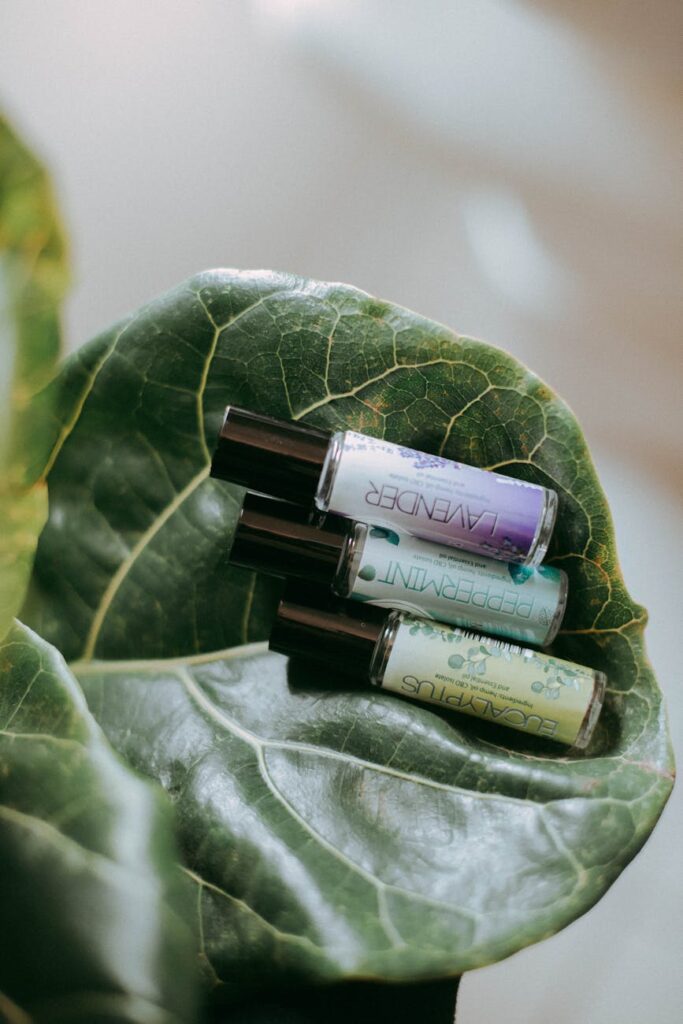
2. Pain Relief: Oils such as peppermint and eucalyptus may help alleviate muscle tension and discomfort, making them popular choices for sports and therapeutic massage.
3. Improved Circulation: Certain essential oils, like ginger and black pepper, can stimulate blood flow, enhancing the overall effectiveness of a massage.
4. Mood Enhancement: Citrus oils, such as orange and lemon, are often used in blends aimed at uplifting mood and creating a sense of vitality.
5. Skin Nourishment: Many essential oils possess antifungal, antibacterial, and anti-inflammatory properties, contributing to skin health when used in massage blends.
Common Uses
Essential oil blends for massage can be used in various settings, including:
- Spa Treatments: Many spas offer specialized massages that incorporate essential oil blends, designed to provide relaxation and rejuvenation.
- Home Care: Individuals can create their own blends for personal use, tailoring them to their specific needs and preferences.
- Professional Massage Therapy: Licensed massage therapists often utilize essential oil blends to enhance their treatments and address specific client concerns.
- Wellness Practices: Essential oil blends are also integrated into yoga and meditation practices, promoting mindfulness and enhancing the overall experience.
Aromatherapy Applications
The practice of aromatherapy is intrinsically linked to the use of essential oil blends for massage. Aromatherapy involves the therapeutic use of scents to improve physical and emotional well-being. When essential oils are inhaled or absorbed through the skin during a massage, they can have a profound impact on mood and health.
1. Inhalation: The olfactory system is closely connected to the limbic system, the part of the brain that processes emotions. Inhaling the scent of essential oils during a massage can help to evoke specific emotional responses and foster relaxation.
2. Topical Application: When applied to the skin, essential oils can penetrate into the dermal layers, providing localized relief and enhancing the overall massage experience.
3. Synergistic Effects: When blended, essential oils can produce synergistic effects, meaning that the combined benefits of the oils are greater than their individual properties. This is an important consideration when creating blends for specific therapeutic outcomes.
Safety Considerations
While essential oil blends can offer numerous benefits, it is essential to approach their use with care. Here are several safety considerations to keep in mind:
1. Dilution: Essential oils are highly concentrated and should always be diluted in a carrier oil before application to the skin. Common carrier oils include sweet almond oil, jojoba oil, and coconut oil.
2. Patch Testing: Before using a new essential oil blend, it is advisable to conduct a patch test on a small area of skin to check for any allergic reactions.
3. Contraindications: Some essential oils may not be suitable for individuals with specific health conditions or those who are pregnant or nursing. It is essential to research each oil’s contraindications before use.
4. Quality of Oils: The quality of essential oils can vary significantly between brands. It is advisable to choose oils that are labeled as 100% pure, therapeutic grade, and sourced from reputable suppliers.
Storage and Shelf Life
Proper storage of essential oil blends is crucial to maintaining their potency and effectiveness. Here are some guidelines for storage:
1. Container: Essential oils should be stored in dark glass bottles to protect them from light, which can degrade their quality over time.
2. Temperature: Ideally, essential oils should be kept in a cool, dry place away from direct sunlight and heat sources.
3. Shelf Life: The shelf life of essential oil blends can vary depending on the specific oils used. Generally, most essential oils can last from 1 to 3 years if stored properly. However, citrus oils may have a shorter shelf life, typically around 6 months to 1 year.
Frequently Asked Questions
1. What are essential oils made from?
Essential oils are concentrated extracts derived from various parts of plants, including leaves, flowers, stems, roots, and seeds. They capture the plant’s natural fragrance and therapeutic properties.
2. Can I use essential oils directly on my skin?
Essential oils should never be applied directly to the skin without dilution in a carrier oil, as they can cause irritation or allergic reactions.
3. How do I choose an essential oil blend for massage?
Selecting an essential oil blend depends on your individual needs and preferences. Consider factors such as the desired emotional or physical benefits, scent preferences, and any known allergies or sensitivities.
4. Are there any essential oils to avoid?
Certain essential oils may have contraindications for specific populations, including pregnant women or individuals with certain health conditions. It is advisable to research each oil and consult a qualified professional if necessary.
5. Can essential oil blends be used in other applications besides massage?
Yes, essential oil blends can be used in various applications, including aromatherapy diffusers, bath products, skin care, and household cleaning solutions.
Conclusion
The history and origins of essential oil blends for massage reveal a profound connection between nature and human well-being. Rooted in ancient practices, the therapeutic benefits of essential oils continue to evolve, offering modern practitioners a versatile tool for enhancing relaxation, alleviating discomfort, and promoting overall wellness. As the appreciation for natural remedies grows, the legacy of essential oil blends remains a vital aspect of holistic health practices worldwide.