
History and Origins of Essential Oil Blends for Pain Relief
Introduction
Essential oils have been utilized for thousands of years across various cultures for their therapeutic properties. Among these, blends specifically aimed at pain relief hold a significant place in both traditional and modern practices. The history of these blends is rich and diverse, drawing from ancient civilizations and evolving through contemporary aromatherapy. This article delves into the history and origins of essential oil blends designed for pain relief, exploring their key benefits, applications, and safety considerations.
What Are Essential Oil Blends for Pain Relief?
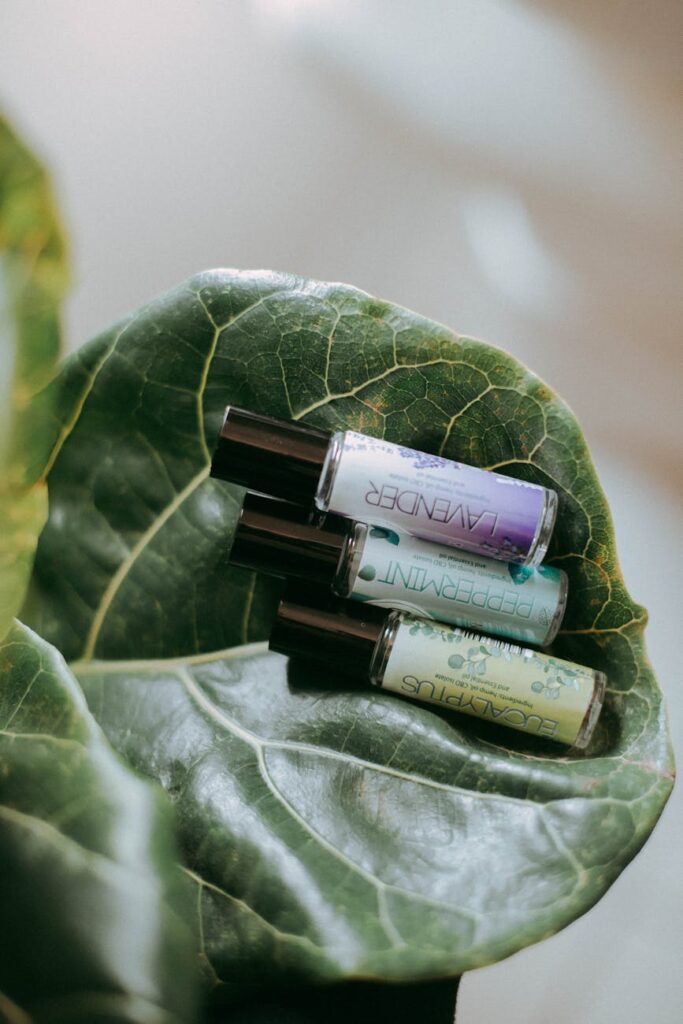
Essential oil blends for pain relief are combinations of concentrated plant extracts designed to alleviate discomfort and promote relaxation. These blends often incorporate oils from various plants known for their analgesic, anti-inflammatory, or soothing properties. The art of blending these oils allows for a synergistic effect, enhancing their individual benefits when used together. Common essential oils found in pain relief blends include lavender, peppermint, eucalyptus, and chamomile, among others.
Key Benefits and Properties
The therapeutic properties of essential oils are well-documented, with many cultures recognizing their potential to alleviate various types of pain. The key benefits of essential oil blends for pain relief include:
- Analgesic Properties: Some essential oils, such as wintergreen and peppermint, contain compounds that can help reduce pain sensations.
- Anti-Inflammatory Effects: Oils like ginger and turmeric are renowned for their anti-inflammatory properties, providing relief from conditions like arthritis and muscle soreness.
- Muscle Relaxation: Essential oils such as lavender and marjoram can promote muscle relaxation, helping to alleviate tension and discomfort.
- Improved Circulation: Certain oils, including rosemary and black pepper, are believed to enhance blood flow, which may aid in the healing process.
- Stress Reduction: Many essential oils have calming properties that can reduce stress and anxiety, indirectly contributing to pain relief.
- Topical Applications: Blends can be diluted with carrier oils and applied directly to the skin for localized relief from muscle pain, joint discomfort, or headaches.
- Inhalation: Diffusing essential oils or using them in steam inhalation can provide relief from tension headaches and sinus-related discomfort.
- Bath Soaks: Adding essential oil blends to bathwater can create a soothing experience that helps alleviate muscle soreness and promote relaxation.
- Massage: Incorporating essential oil blends into massage therapy can enhance the overall experience and provide targeted relief to sore muscles.
- Egyptians: The use of essential oils can be traced back to ancient Egypt, where oils were employed in religious ceremonies, embalming, and skincare. Oils such as myrrh and frankincense were prized for their aromatic and healing properties.
- Greeks and Romans: The Greeks, particularly Hippocrates, recognized the medicinal properties of essential oils, often blending them for various ailments. The Romans further popularized their use in baths, promoting relaxation and pain relief.
- Traditional Chinese Medicine (TCM): TCM utilizes essential oils alongside herbs and acupuncture to address pain and promote overall well-being.
- Ayurveda: In this ancient Indian practice, essential oils are used for balancing the body’s energies (doshas) and alleviating discomfort.
- Dilution: Essential oils are highly concentrated and should be diluted with a carrier oil before topical application to prevent skin irritation.
- Allergic Reactions: Some individuals may experience allergic reactions to certain oils. A patch test is recommended before widespread use.
- Pregnancy and Nursing: Certain essential oils may not be safe for pregnant or nursing women. Consultation with a healthcare professional is advised.
- Medical Conditions: Individuals with specific medical conditions or those taking medications should consult a healthcare provider before using essential oils.
- Storage Conditions: Essential oils should be stored in a cool, dark place, away from direct sunlight and heat sources. Dark glass bottles are ideal for preserving the integrity of the oils.
- Shelf Life: The shelf life of essential oils varies depending on the type and storage conditions. Generally, citrus oils have a shorter shelf life (1-2 years), while others may last up to 5 years or more.
Common Uses
Essential oil blends for pain relief are used in various ways, addressing different types of discomfort. Common uses include:
Aromatherapy Applications
Aromatherapy, the practice of using essential oils for therapeutic purposes, has a long history dating back to ancient civilizations. The Egyptians, Greeks, and Romans all utilized essential oils in various forms, from rituals to medicine.
Ancient Civilizations
Traditional Medicine Practices
In addition to ancient practices, many cultures have integrated essential oils into their traditional medicine systems:
Modern Aromatherapy
The modern aromatherapy movement began in the early 20th century, with the work of figures like René-Maurice Gattefossé, who is credited with coining the term “aromatherapy.” Gattefossé’s research into essential oils led to their recognition in holistic health practices. Today, essential oil blends for pain relief are widely used in complementary therapies, offering a natural alternative for managing discomfort.
Safety Considerations
While essential oil blends can offer numerous benefits, it is essential to approach their use with caution:
Storage and Shelf Life
Proper storage of essential oil blends is crucial to maintain their efficacy:
Frequently Asked Questions
1. Can essential oil blends completely eliminate pain?
While essential oil blends can provide relief, they are not a substitute for medical treatment. Their effectiveness varies among individuals and should be considered a complementary approach.
2. How should I apply essential oil blends for pain relief?
Essential oil blends should be diluted with a carrier oil before topical application. Common carrier oils include coconut, jojoba, or almond oil. Massage the blend into the affected area for best results.
3. Are there any essential oils I should avoid?
Yes, certain essential oils may not be suitable for everyone. For instance, oils like clary sage may not be safe during pregnancy. Research and consult with a professional if unsure.
4. How can I incorporate essential oils into my wellness routine?
You can incorporate essential oils into your wellness routine through various methods, including diffusion, topical applications, or adding them to your bath. Experiment with different methods to find what works best for you.
5. Is it safe to use essential oils around pets?
Certain essential oils can be toxic to animals. Always research specific oils and consult a veterinarian before using essential oils in homes with pets.
Conclusion
The rich history and diverse origins of essential oil blends for pain relief highlight their importance in both traditional and modern practices. With their unique properties and applications, these blends offer a natural approach to managing discomfort. As interest in holistic health continues to rise, essential oils remain a valuable resource for promoting well-being and enhancing the quality of life. Always prioritize safety and informed use to maximize the benefits of these remarkable plant extracts.